


 Shkruar nga Pamfleti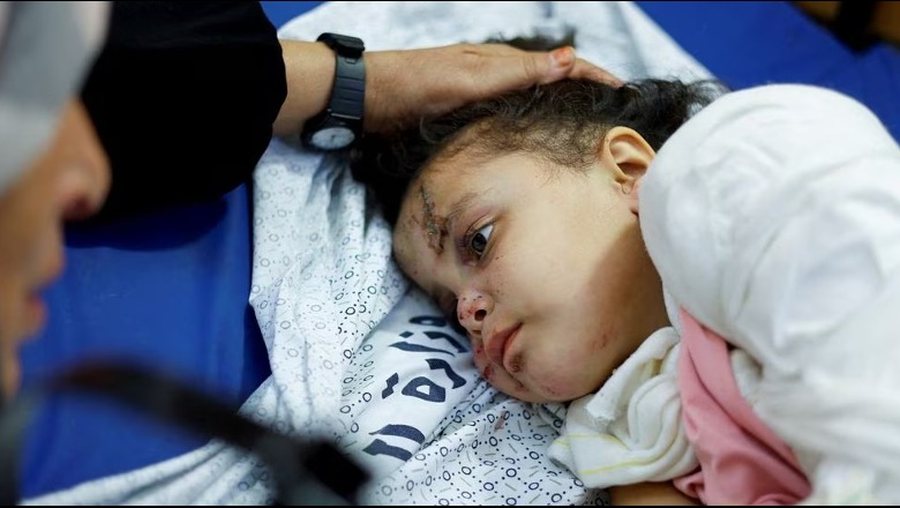
Waseem Mushtaha's four children have not gone to school for almost two weeks. Instead of learning math or geography, they are being taught how to ration water.
"Every day I fill a bottle of water for everyone and I say: Try to manage this," he said, speaking from the southern Gaza city of Khan Younis.
After Israel issued an evacuation order for 1.1 million Palestinians in northern Gaza, Mushtaha sent his wife and children, ages 8-15, to his aunt's house in Khan Younis, where residents opened their doors to family and friends. them in the midst of Israeli aerial bombardment. As a Water and Sewer employee, Mushtaha sees the signs of an impending public health disaster all around him.
"People sleep on the streets, in shops, in mosques, in their cars or on the streets," he said.
Hygiene products have disappeared, water from private sellers has doubled in price since October 7. Oxfam and United Nations agencies have warned that water shortages will bring cholera and other deadly infectious diseases. Israel cut off its water pipeline to Gaza, along with fuel and electricity supplies to water and sewage plants, after declaring a total blockade of the Palestinian enclave following the Hamas attack.
According to Oxfam, untreated sewage is now being released into the sea while solid waste is also ending up on some roads alongside bodies waiting to be buried. The UN says Gaza currently has only three liters of water per person per day to cover all their needs, including drinking, washing, cooking and flushing the toilet. We cook foods that need little water.
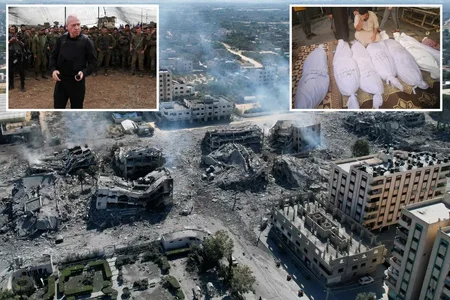
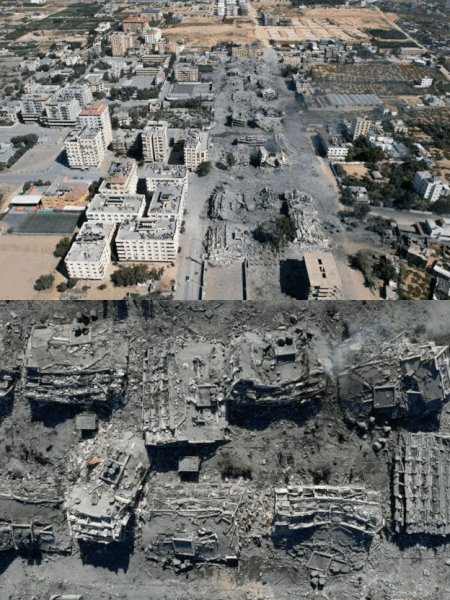
We bathe for prayer only once or twice. We have a neighbor who has a well, but he doesn't have electricity to run the water pump. They have a generator but no fuel. There are families with children and newborn babies who live without a roof over their heads. They simply sit on street corners without protection, water, food, etc. Fears are growing that dehydration and water-borne diseases will lead to a humanitarian disaster amid Israeli airstrikes that have killed 4,137 Palestinians. Four of the 34 hospitals are no longer functional, according to the UN health agency, as they are overwhelmed with injured patients and families in need of shelter.




Lini një Përgjigje