


 Shkruar nga Pamfleti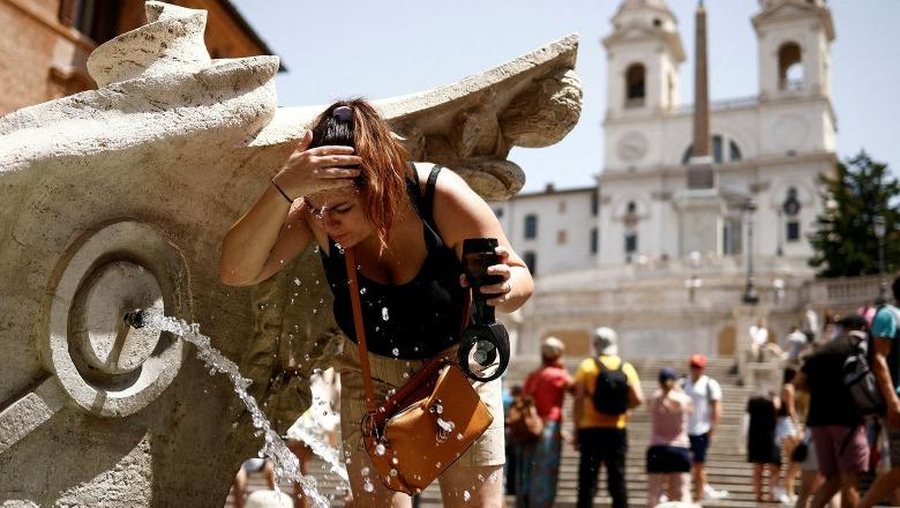
Temperatures in Portugal and southern Spain are expected to reach up to 43 degrees Celsius in the coming days. The WHO Regional Director for Europe, Hans Kluge, held an urgent virtual meeting on Monday with representatives of 41 countries in the region, the European Commission and civil society organizations to discuss lessons learned from the recent heatwave and preparations for what is expected to come.
In a statement, Kluge said that countries that had developed action plans to protect health during periods of extreme temperatures reacted faster and were better able to protect their populations during the June heatwave. However, he noted that less than half of WHO member countries in Europe currently have such a plan.
According to experts, the heat wave that swept across Europe from June 20 to 28 was the worst ever recorded on the continent. It caused power outages, damaged infrastructure and overwhelmed healthcare systems.
Scientists estimate that the extreme temperatures were almost certainly a result of climate change. France, the Netherlands and Belgium recorded about 3,700 additional deaths during this period, while authorities have warned that these are preliminary figures, which could increase.
During the heatwave, temperatures in some parts of Europe reached 40 degrees Celsius. Kluge stressed that residents of nursing homes, homeless people and elderly people living in isolation continue to not consistently benefit from protective measures across Europe.
"The work now goes in two directions: to correct the shortcomings identified over the past few weeks before the next heat wave hits, and to build health systems that are not only responsive to extreme temperatures, but prepared for them," Kluge said.








Lini një Përgjigje