


 Shkruar nga Pamfleti
Pope Leo XIV warns that artificial intelligence is concentrating power in the hands of a few and endangering human dignity. In his historic encyclical, he calls for strong global rules to control the technology and its use in warfare.
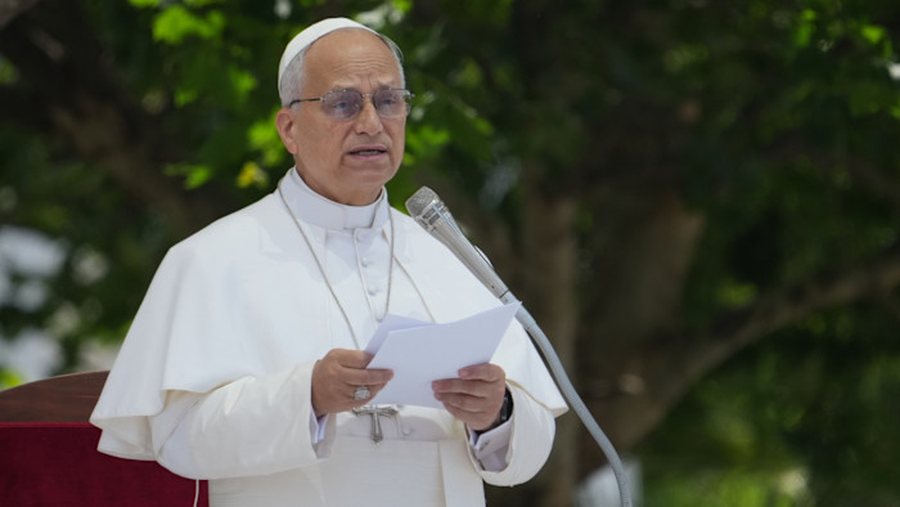
Pope Leo XIV has urged that control over artificial intelligence not remain in the hands of “a few,” while warning that the development of the technology is directly contributing to the escalation of global conflicts. His views are included in the first major theological document of his pontificate.
The document, titled "Magnifica Humanitas" ("Magnificent Humanity"), addresses not only the challenges posed by artificial intelligence, but also the moral, political and social crisis facing the modern world.
The Pope calls for the protection of the "greatness of the human being" in the face of rapid technological transformations and the establishment of strong ethical limits on the use of artificial intelligence in wars.
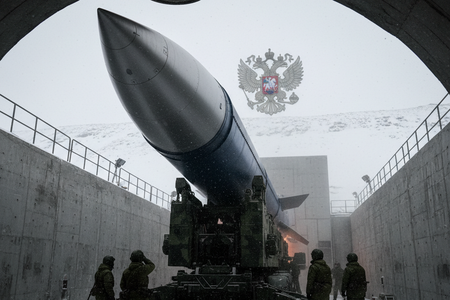
In his encyclical, Leo XIV goes beyond the technological debate and also questions the traditional Christian theory of "just war", a doctrine that defines the conditions under which war is considered justified.
According to him, this theory is now "outdated", while the use of military force can only be accepted for "self-defense in the narrowest sense".
The Pope warns that the use of "force, violence and weapons" brings catastrophic consequences for civilians and calls it evil to build a world kept in a state of permanent conflict.
"Humanity has much more effective means to protect life and resolve conflicts, such as dialogue, diplomacy and forgiveness," he writes in the document.
The Pope's statements come after his harsh criticism of joint US-Israeli attacks on Iran and the use of religious language to justify wars. These positions had drawn the reaction of US Vice President JD Vance, who urged the Pope to "be careful when speaking on theological issues."
In his document, Leo XIV sets out a series of principles that he believes should guide the development of artificial intelligence. He mentions a fairer distribution of resources, the protection of human dignity, social justice and care for the environment.
Referring to the biblical story of the Tower of Babel, the Pope warns that humanity risks building a new dominant system through artificial intelligence.
Sipas tij, rrëfimi biblik është paralajmërim kundër projekteve që synojnë kontrollin total dhe çnjerëzimin e shoqërisë. Për këtë arsye, ai kërkon që zhvillimi i AI-së të mos dominohet nga një grup i vetëm, por të përfshijë mendime dhe komunitete të ndryshme.
Papa këmbëngul gjithashtu se teknologjia duhet të mbrojë vendet e punës dhe të funksionojë nën kuadër të fortë ligjor, mbikëqyrje të pavarur dhe institucione politike që nuk heqin dorë nga përgjegjësitë e tyre.
Enciklika e re po konsiderohet si një dokument historik për pontifikatin e Leo XIV, i cili është Papa i parë që prezanton personalisht një enciklikë në Vatikan. Në të kaluarën, ky rol zakonisht u lihej kardinalëve ose zyrtarëve të lartë të Kishës.
Publikimi i dokumentit u zhvillua në prani të Chris Olah, bashkëthemelues i kompanisë së inteligjencës artificiale Anthropic, një kompani që ka pasur përplasje ligjore me administratën Trump lidhur me përdorimin e teknologjisë në operacione ushtarake.
Në tekst, Papa mban një qëndrim kritik edhe ndaj ideve të “transhumanizmit”, sipas të cilave teknologjia mund të ndihmojë njeriun të kapërcejë kufijtë biologjikë si plakja, si dhe ndaj “posthumanizmit”, që vë në dyshim dallimin mes njerëzve dhe makinave.
“Nuk mund ta konsiderojmë inteligjencën artificiale moralisht neutrale”, shkruan Leo XIV. “Çdo mjet teknologjik përmban zgjedhje dhe prioritete në mënyrën se si mat, injoron dhe klasifikon njerëzit dhe situatat.”
Përfshirja e Anthropic në prezantimin e enciklikës është parë gjithashtu si sinjal i tensioneve të vazhdueshme mes Papës dhe presidentit amerikan Donald Trump, sidomos pas kritikave që administrata amerikane ka bërë ndaj qëndrimeve të Vatikanit për luftën me Iranin dhe për rregullimin e inteligjencës artificiale.
Gjatë vitit të parë të pontifikatit të tij, Leo XIV ka folur disa herë për rreziqet që lidhen me AI-në. Ai ka paralajmëruar kundër chatbotëve “tepër emocionalë”, u ka kërkuar priftërinjve të mos përdorin inteligjencën artificiale për të shkruar predikimet dhe ka krijuar një komision të posaçëm të Vatikanit për të analizuar efektet e teknologjisë.
Zgjedhja e emrit Leo XIV lidhet gjithashtu me trashëgiminë e Papa Leo XIII, autor i enciklikës historike “Rerum Novarum” të vitit 1891, e cila trajtonte të drejtat e punëtorëve dhe drejtësinë sociale gjatë revolucionit industrial.
Leo XIV deklaroi se synon të ofrojë një përgjigje të re të Kishës përballë “një revolucioni tjetër industrial”, këtë herë të lidhur me inteligjencën artificiale. Dokumenti i tij mbi AI u nënshkrua më 15 maj 2026, pikërisht 135 vjet pas publikimit të “Rerum Novarum”.
Teologia Anna Rowlands, e cila mori pjesë në prezantimin e enciklikës, deklaroi se dokumenti është “një thirrje për të ndërtuar një qytetërim të bazuar te dashuria dhe jo te pushteti”.
Sipas saj, enciklika ngre pyetjen themelore mbi kuptimin e të qenit njeri në një epokë ku teknologjia po sfidon vetë natyrën njerëzore.
The Vatican has been active in debates about artificial intelligence and digital disinformation for years. Pope Francis was the first pope to address the G7 summit on AI issues in 2024, while Vatican institutions have repeatedly warned about the dangers of deepfakes and technological manipulation.
Pope Leo XIV himself has revealed that he rejected the creation of an artificial intelligence "papal avatar" that would hold virtual meetings and answer questions from believers.
Now, attention is focused on the impact this encyclical could have on global debates about artificial intelligence and its regulation in the coming years.




Lini një Përgjigje