


 Shkruar nga Pamfleti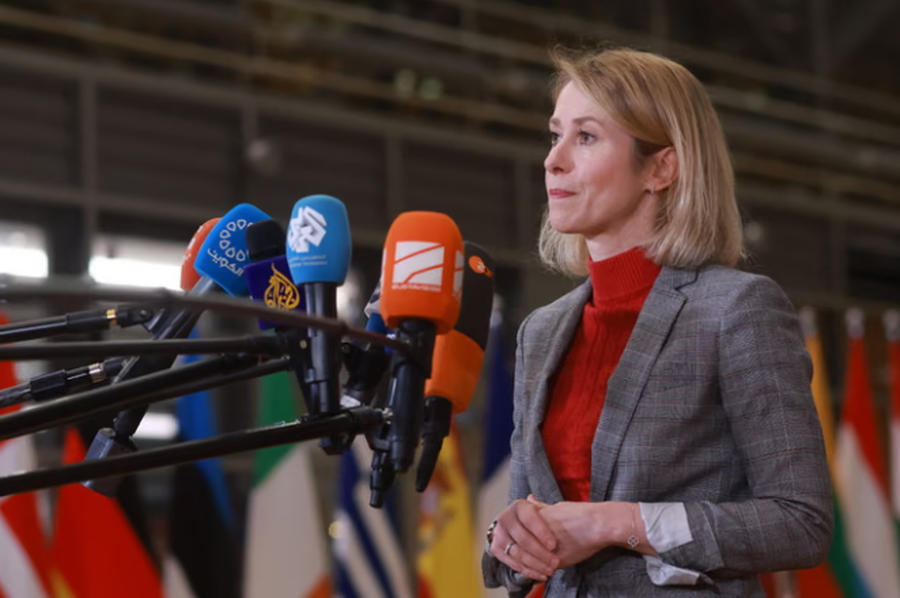
Arriving for a meeting of EU foreign ministers in Brussels, the bloc's foreign policy chief, Kaja Kallas, said they had a "very packed agenda" as "the rules-based international order remains under pressure".
She said the ministers will discuss, among other things, the developing EU-US relations, Russia's war in Ukraine and the Middle East.
Regarding Ukraine, she said the Russian delegation in talks with the United Arab Emirates continued to represent only military personnel, "without a mandate to agree on anything," questioning whether Russia is truly committed to the peace process.
"They are bombing the Ukrainians, trying to bomb and freeze them into surrender, and that's why we are also discussing the energy support that we can give them, because it's a very difficult winter and the Ukrainians are really suffering. A humanitarian catastrophe is coming there," she said.
She added that my concern is that we have seen many concessions from the Ukrainian side as well, but this is clouding the picture, because Ukraine is not the one doing the aggression. It is Russia that is doing this.
"So we need to put more pressure on Russia in order to see concessions from the Russian side," she added.
Kallas also downplayed the idea of "a European army," saying it remained a domain for national authorities and hierarchies.
"In the military you need to have a very direct and understandable chain of command, so that whenever something happens, it's clear who is giving orders to whom. If we create parallel structures, then that will just blur the picture," she said.
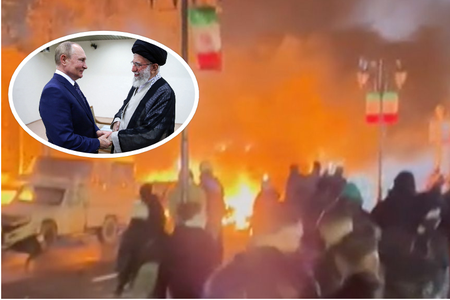
In the Middle East, the main topic is the situation in Iran, with a discussion on listing Iran's Revolutionary Guard on the EU's terrorism list, "putting them in the same position as Al Qaeda, Hamas, ISIS".
"If you act like a terrorist, you should be treated like a terrorist," she said.



Lini një Përgjigje