


 Shkruar nga Anna Fotyga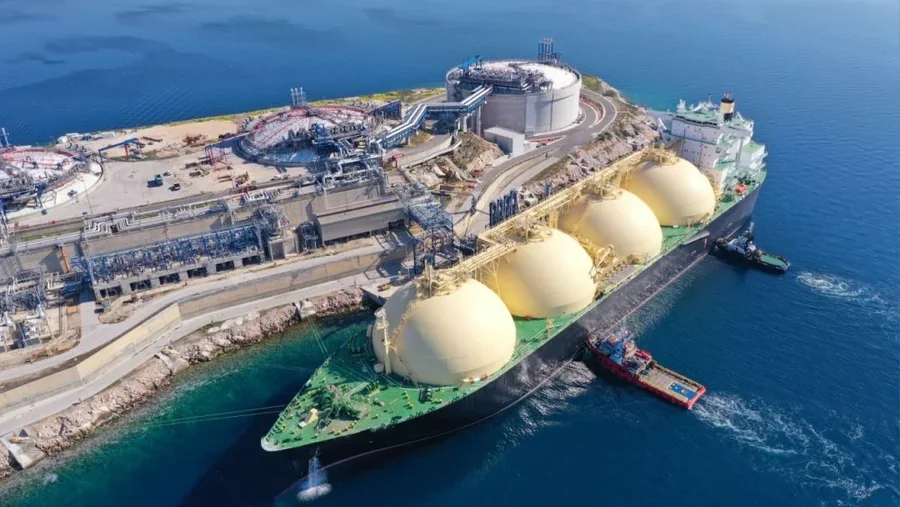
Putin's natural instinct is to escalate any crisis for the West...
The takeaways from last month's Munich Security Conference are well-known, but they're still worth mentioning again. My American interlocutors returned home from Europe with a bleak panorama of world affairs: bloodshed in Israel and Gaza, the threat of a wider conflict in the Middle East, threats to trade and transportation from terrorist activity, and more most importantly the ongoing war in Ukraine, and Russia's ever-increasing threat to European and NATO countries.
The latter has been exacerbated by recent failures to provide Ukraine with the money and weapons it needs to defend itself. Added to this is the news of Navalny's murder, which showed what we should all know: Putin's natural instinct is to escalate any crisis for the West.
In the Kremlin we do not have a partner, but a former KGB operative whose aim is to rebuild a Russian empire, not through development and reform, but through conquest and bloodshed. Money and weapons are essential elements for Ukraine to win this war and therefore for a Europe that wants to be serious about curbing and defeating Russian aggression.
But that's not all. In the same vein, we should also discuss energy, which is too often treated as a secondary concern. In fact, it is not like that. The energy that comes to us from the United States is essential for the whole issue of European security.
Over the past decades, the decision to deepen our dependence on Russian gas now has proven to be a very grave mistake, as I and the late Polish President Lech Kaczynski predicted at the time. Instead of cultivating a mutual sense of cooperation, we faced strong criticism.
The result has been a naïve Europe that subsidized Russia's hostility by widening our exposure to energy blackmail. How to undo such mistakes, and how to prevent a similar catastrophe, depends on two simple factors: supply and demand.
Analyzing demand first, can European demand for Russian gas be reduced? The EU has spent billions of euros on an energy transition, and has made efforts to support renewable fuels and clean energy. Despite the huge costs, there is no chance that demand for gas in Europe will fall.
Technology, industry, infrastructure and communities will continue to rely on traditional fuels. There is no demand-side solution to the question of how to reduce our dependence on gas. The only solution is for Europe to secure a large-scale supply of non-Russian gas.
To have real energy security, locally produced energy would be the best option. But Europe is not a significant producer of energy in the country. The next best option is to supply from a strong ally. Fortunately, the solution is the USA.
In the first 6 months of last year alone, the United States exported more liquefied natural gas (LNG) to Europe than it has ever done before. Nearly 2/3 of all US LNG exports are now arriving in Europe, allowing us to move away from Russian gas and continue to ensure security of supply.
The share of Russian gas in Europe has fallen from 41 percent in 2021 to just 8 percent in 2023, and this is a huge success. American LNG is also less polluting than Russian gas, and its supply could expand significantly as the United States can build more LNG terminals.
Europe would have security and predictability of energy supply for decades to come, while the United States would gain significant new energy revenue and there would be a boom in new jobs in the southern states, where oil terminals are located. LNG.
The uncertainty of energy production has always been central to Putin's neo-imperial game to divide Europe, regain former influence and blackmail those who dare to challenge his rule.
Energy security must be at the heart of Western unity and, if achieved properly, can cement our transatlantic bond. The infrastructure is largely in place and the political will is increasing, especially in many parts of Europe where sunlight is scarce.
The economic and political benefits are many, however the biggest beneficiary would be our collective resilience. In evidence is our commitment to the provisions of the Washington Treaty, especially on economic cooperation and energy, and if we overcome our divisions, the transatlantic link can continue to serve as the main framework for our common development.
My American partners heard positive signals from Europe. Despite this, we were surprised by the announcement of a ban on permits for new US terminals shipping LNG gas to European and Asian allies. The consequences of this decision for Europe are worrying.
Future US LNG supplies are vital to avoid the huge spike in energy and food prices we saw in 2022, in the early months of the Ukraine occupation.
Por këto furnizime të ardhshme mund të mos vijnë. Komisioni nuk duket se e ka kuptuar rëndësinë e vendimit të SHBA. Nënkryetari ekzekutiv i Komisionit Evropian Maros Sefcovic, ka deklaruar se furnizimi i Evropës nuk do të ndikohet për “2 deri në 3 vjet”. Pos siguria energjetike s’mund të matet me periudha kaq të shkurtra. Planet energjetike, duhet të përqendrohen në një hark kohor prej 2 deri në 3 dekada, dhe jo 2 apo 3 vite.
Evropa duhet të merret seriozisht me sigurinë energjetike afatgjatë, dhe të jetë më efektive në paraqitjen e pikëpamjeve të saj. Komisionit i mungon një mandat demokratik. Ai është kryesisht jo llogaridhënës ndaj votuesve, dhe nuk paguan asnjë kosto për gabimet e tij. Evropianët paguajnë fatura më të larta, kompanitë e tyre s’mund të bëjnë plane dhe investime afatgjata, ndërsa politikanët duhet të shpjegojnë arsyet pse ndoqën politikat e gabuara. Ajo
që për Sefcovic nuk ka pasoja negative, për Andrea Di Giuseppe-n, president i Komisionit për Tregtinë Ndërkombëtare të Komisionit të Punëve të Jashtme të Dhomës së Deputetëve të Italisë, “do të ketë pasoja të mëdha për sigurinë energjetike të BE-së” dhe e “dëmton sigurinë energjetike të aleatëve të saj evropianë”.
Ne jemi sërish dëshmitarë të së njëjtës skemë:një organ evropian pa një mandat demokratik, që imponon politika me pasoja që duhet t’i vuajnë politikanët dhe shoqëritë në nivel kombëtar. Një shembull i përsosur në këtë aspekt, janë protestat e mëdha të fermerëve evropianë në të gjithë kontinentin muajt e fundit, që bënë bashkë shoqëritë në refuzimin e Marrëveshjes së Gjelbër.
Një shembull tjetër, janë rastet e panumërta në Evropën Perëndimore të qytetarëve të paaftë për të përballuar faturat e tyre të energjisë. Thënë thjesht, ne nuk mund të lejojmë që politikat e dështuara të energjisë të destabilizojnë ekonomitë, dhe të thellojnë varfërinë në shoqëritë tona.
Këtë gjë e kuptojnë fare mirë edhe liderët e biznesit në Evropë. Sekretari i Përgjithshëm i Eurogas, tha se ndërprerja e eksporteve nga SHBA-ja “mund të shkaktojë humbje të besimit tek Shtetet e Bashkuara, si një partner strategjik për sigurinë e energjisë në Evropë”.
Po ashtu “dështimi për të pasur mjaftueshëm LNG amerikan në treg në vitet 2026, 2027 dhe 2028, mund të sjellë rritjen e rrezikut dhe zgjatjen e çekuilibrit të furnizimit global”. Kompanitë që janë përkushtuar ndaj LNG-së amerikane për të hequr dorë nga energjia ruse, po kthehen tek një partner i besueshëm dhe po dërgojnë sinjale shqetësuese. Ne jemi kaq pranë një momenti vendimtar: një epoke të re të furnizuesve të sigurt, të besueshëm dhe të sigurt të energjisë nga aleati ynë gjeopolitik më i afërt.
Support for Russian dictators should be a thing of the past. But to achieve this, Europeans must engage in frank discussions on deepening our transatlantic bond through strategic energy cooperation. This approach would benefit not only American industry and workers, but also Europe's security, economy and moral authority.
European leaders must get off the fence and fight for that result. We must not transfer wealth, security and mechanisms of influence to untrustworthy partners. We cannot move from one danger to another, as this would be Putin's victory./ Pamphlet adapted from "National Interest"
Note: Anna Fotyga, is a member of the European Parliament, and former Foreign Minister of Poland.



Lini një Përgjigje