


 Shkruar nga Pamfleti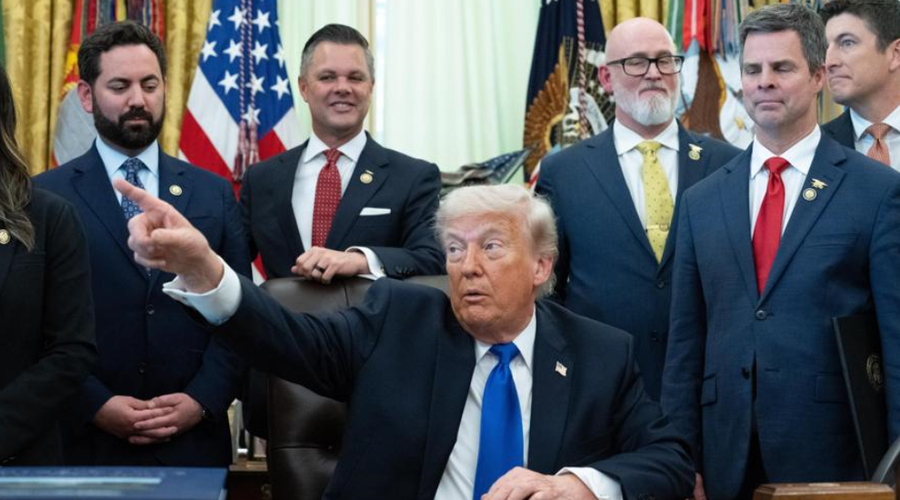
Today is the 60-day deadline for US President Donald Trump to seek Congressional approval to declare war on Iran or, alternatively, to halt military operations, although his administration has indicated that it will ignore this obligation.
Under the U.S. Constitution, only Congress has the authority to declare war. However, the 1973 War Powers Act allows the president to undertake limited military operations in an emergency, but requires that he seek congressional approval within 60 days, terminate operations, or request a 30-day extension for national security reasons.
The conflict with Iran began on February 28 and the US administration notified Congress two days later. However, administration officials argue that the 60-day deadline was suspended after the ceasefire took effect on April 8.
Defense Secretary Pete Hegseth declared that "hostilities have ended," noting the lack of direct clashes since April 7.
This approach is opposed by Democrats. Senate Majority Leader Chuck Schumer said the deadline cannot be suspended while American troops remain exposed to risk.
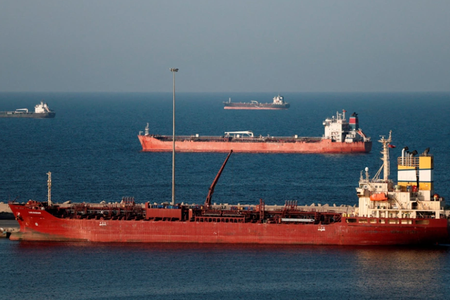
Meanwhile, the situation on the ground remains tense. The strategic Strait of Hormuz remains closed, causing a significant increase in global energy prices. Media reports suggest that the Trump administration is considering various options, including new air strikes, partial ground control of the strait, or even an extension of the blockade of Iranian ports.
At the same time, diplomatic alternatives are also being considered, including the creation of an international coalition to guarantee freedom of navigation in Hormuz.
Iran, on the other hand, has warned of dire consequences in the event of a new attack. A senior Revolutionary Guard official said that any US military action would bring “long-term and painful blows” to US interests in the region. Supreme Leader Mojtaba Khamenei also stressed that the country will defend its sovereignty and control the use of the Strait of Hormuz.
UN Secretary-General António Guterres warned of serious global consequences if the blockade continues, including rising inflation and poverty on a global scale.
Meanwhile, the United Arab Emirates has urged its citizens to avoid travel to Iran, Lebanon and Iraq, reflecting growing concerns about regional security.






Lini një Përgjigje