


 Shkruar nga Pamfleti
The price increase followed reports that the US military was preparing a briefing for President Donald Trump on options for possible military action, aimed at unblocking the situation and reopening a key trade route.
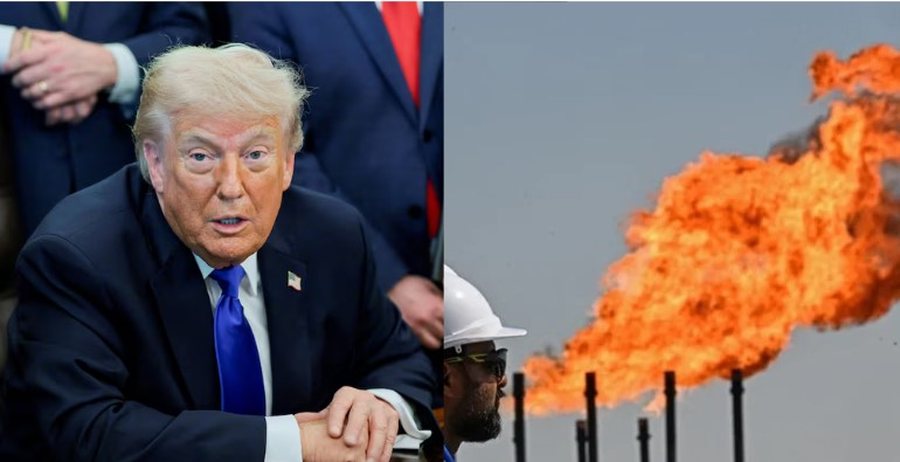
Global oil prices have reached their highest level in four years, following concerns about a new escalation of the conflict in the Middle East and the possibility of a new military intervention by the US.
According to US media, US President Donald Trump has been briefed on options for a series of targeted attacks on Iranian infrastructure, with the aim of increasing pressure on Tehran and breaking the deadlock in negotiations.
Admiral Brad Cooper, head of CENTCOM, and the Chairman of the Joint Chiefs of Staff, General Dan Caine, briefed Trump on plans for possible strikes against Iran in a meeting that lasted 45 minutes.
On the other hand, the market was characterized by strong fluctuations in energy markets, with the price of oil reaching up to $126 per barrel, the highest level since the beginning of Russia's invasion of Ukraine in 2022, before falling to around $114.
The increase was fueled by reports that the US and Israel are remaining on high military alert, despite the formal ceasefire in place.
According to Axios, the US military is considering the possibility of "short and powerful" attacks on strategic targets in Iran.
However, analysts point out that the strong price fluctuations are also related to technical market factors, such as the expiration of June futures contracts on April 30, writes the BBC.
On the other hand, Donald Trump has expressed optimism that energy prices will fall significantly after the end of the conflict.
On the diplomatic front, tensions remain high. Washington has reportedly rejected a proposal from Tehran and has signaled that it will continue the naval blockade until a deal is reached on Iran's nuclear program.
Meanwhile, data from the US shows a significant decline in oil reserves and an increase in exports to over 6 million barrels per day, signaling a further tightening of global supply.
Experts warn that uncertainty in energy markets will have wide-ranging economic consequences, contributing to increased costs of transportation, chemical fertilizers, and food products, with direct effects on the daily lives of citizens and business activity.
Military threats and blockade in the strait shake markets
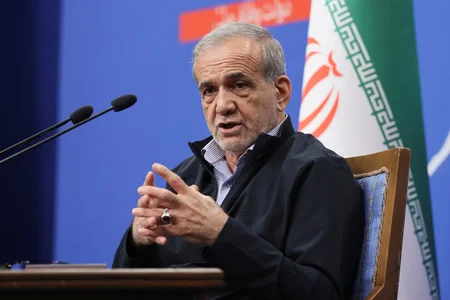
Iran's new supreme leader declared on Thursday that the Islamic Republic will protect its "nuclear and missile capabilities" as national assets, signaling that Tehran has no intention of backing down from the current standoff that is affecting the global economy.
The statement, read on state television, came as the tensions have caused sharp fluctuations in energy markets. Brent crude briefly rose above $126 a barrel, its highest level since 2022, before falling to around $114. In the United States, the average price of gasoline reached $4.30 a gallon, also the highest level in nearly four years.
According to the report, one of the US Central Command plans envisages a wave of "short and powerful" strikes to force Iran back to the negotiating table.
Meanwhile, a senior Revolutionary Guard commander warned of an immediate response if the US resumes its attacks. “With prolonged and painful strikes, we will respond to the enemy’s operations, even if they are quick and short,” Seyed Majid Mousavi declared on social media, adding: “We have seen the fate of your fragile bases in the region; we will also see your warships.”
These developments follow warnings from Trump, who has stated that Iran "must act smartly and quickly" as he considers options for reopening the strait through which about 20 percent of global oil passes.
Traffic in the waterway has been virtually blocked since Iranian attacks on merchant ships following a joint US-Israeli military offensive in late February. In response, Washington imposed a blockade on Iranian ports, which Trump said would continue until Tehran accepts a nuclear deal.
This approach seems to rule out a new Iranian proposal to end the conflict and reopen the trade route without resolving the issue of the nuclear program. Trump described the blockade as “somewhat more effective than bombing.”
Speaking at the White House, he said the measure is yielding results.
"The strength of the blockade is extraordinary. They are not getting any oil revenue and we hope that the situation will be resolved very soon."
He added that "Iran is ready to reach an agreement."
US officials confirmed that the administration has considered several scenarios for managing the situation, including extending the blockade for months and changes to the military presence in the area, as well as the possibility of intensifying operations.
The prospect of a prolonged outage at the strategic hub has pushed energy prices higher, despite a formal ceasefire. The head of the International Energy Agency, Fatih Birol, warned at a conference in Paris that “the world is facing a major economic and energy challenge.”




Lini një Përgjigje