


 Shkruar nga Sabino Cassese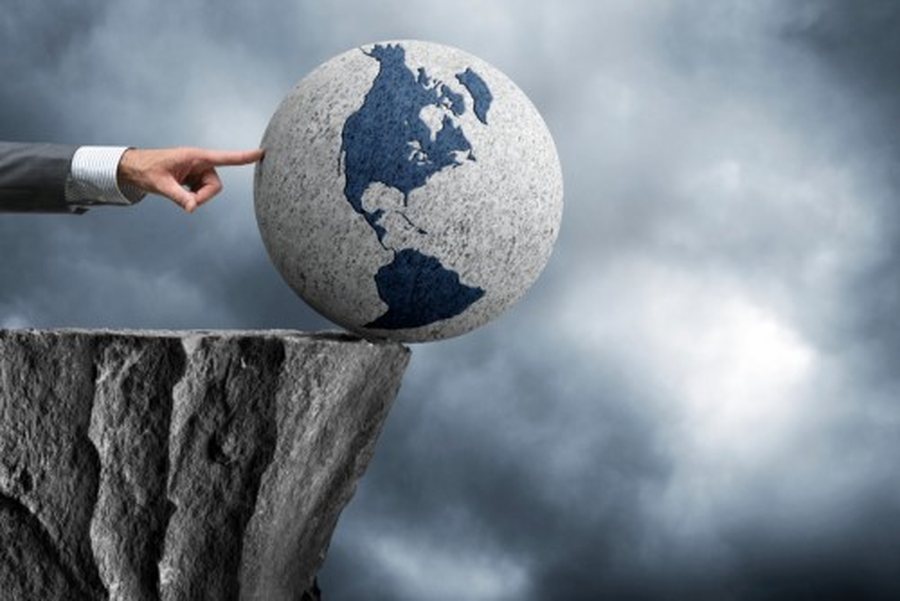
The art of government has been reduced to the art of winning votes, forgetting what Luigi Einaudi wrote three quarters of a century ago, that disdain for popularity is the statesman's greatest virtue. Therefore, the electorate becomes fickle, fickle, apathetic.
The world map showing democracies is depressing because it only includes the United States, Western Europe, Australia, Japan, South Africa and a small part of South America.
The number of people in the world who are governed by democratic governments is decreasing, and there are fewer and fewer citizens who go to vote. Decision-making processes in democracies are increasingly complicated and slow. The oldest modern democracy, the American one, which has been an example for many others, is faltering and risks dragging down other democracies.
One wonders how democratic countries and non-democratic countries can coexist in the European Union, such as Hungary, which does not recognize the independence of judges, media and culture and translates into handcuffs in the courtroom an accused.
These crisis signs can be interpreted in different ways.
On the one hand, there are complaints that the state is weak and unable to keep its commitments to citizens.
On the other hand, there is concern about the dangers arising from the excessive strengthening of the executive summit.
So is democracy in danger because it is too weak or because it is too strong?
To answer these questions it is necessary to distinguish the factors of the latent crisis of the last fifty years from the events that can cause the collapse of democracies.
There are at least five hidden factors of the crisis, and they have been operating in Europe for at least half a century. Since then, they have affected democracy understood as respect for the common interests of the community and have caused considerable discontent among populations living in democratic regimes.
First of all , mature democracies, those that have a century of life behind them, feel the weight of a noble past. They heard many conflicting collective interests, from employment to development, education, social protection, protection of the environment and cultural heritage, etc. But when they have to decide and have to combine all these interests, they find it difficult to determine which of them should prevail.
Së dyti, në demokracitë bashkëkohore ato organe që dikur i afronin qeveritarët me të qeverisurit, partitë si shoqata, janë zhdukur. Forcat politike kanë ndryshuar natyrë dhe janë bërë oligarkike. Kështu, instrumenti kryesor i demokracisë nuk është vetë demokratik. Ky atomizimi i shoqërisë shkakton një dobësim të parlamenteve. Në demokracitë e pjekura, së treti, mungojnë idealet e mëdha që kanë lëvizur botën prej dy shekujsh, duke bashkuar elektoratin.
Të njëjtat palë të interesuara ekonomike dhe sociale nuk janë në gjendje të bashkohen apo të gjejnë konvergjencë. Prandaj, oferta politike është e dobët dhe e fragmentuar. Faktori i katërt i krizës ka të bëjë me qëndrimet e pushtetarëve, për të cilët politika nuk është më pasion, por profesion. Ata përpiqen të përmbushin impulset popullore, në vend që të drejtojnë ndjenjat e qytetarëve, dhe mbeten robër të këtyre impulseve.
Arti i qeverisjes është reduktuar në artin e fitimit të votave, duke harruar atë që shkroi Luigi Einaudi tre çerek shekulli më parë, se përbuzja për popullaritetin është virtyti më i madh i burrit të shtetit. Prandaj, elektorati bëhet i paqëndrueshëm, i paqëndrueshëm, apatik.
Faktori i pestë qëndron në nënvlerësimin e asaj që dikur quhej "rendi i arsyes".
Mundësia për të vepruar sipas arsyes kërkon aktivizimin e proceseve njohëse që rrisin kapacitetin e elektoratit, ruajnë marrëdhëniet e tij me përfaqësuesit dhe lejojnë atë përparim të qeverisë përfaqësuese që konsiston në nxjerrjen e njerëzve të aftë nga kombi dhe vendosjen e tyre në krye të shoqërisë. ndërtesë.
Në të kaluarën, shkollimi masiv, më pas partitë politike, dhe së fundi përvoja e menaxhimit publik, lokal ose kombëtar, e kanë luajtur këtë rol, duke lejuar, për shembull, demokracitë të braktisin të drejtën e votës së regjistrimit për të arritur të drejtën universale të votës përmes arsimit, në mënyrë që të gjithë të votojnë si filloi shkollimi i detyruar.
Këta faktorë krizash mund të mbeten të fshehtë për një kohë të gjatë, por prodhojnë një kolaps të sistemeve demokratike nëse dhe kur ndodhin ngjarje të tilla si shfaqja e lëvizjeve anti-sistem, krizat ekonomike, erozioni i standardeve të jetesës, prishjet e ligjshmërisë. Hulumtimet e rëndësishme të kryera në Shtetet e Bashkuara dhe Evropë nga rreth dhjetë studiues kanë treguar se cilët faktorë distalë, të ndërmjetëm dhe proksimalë ndikojnë në rënien e demokracive, edhe pse më rrallë në sistemet presidenciale.
I njëjti hulumtim ka theksuar se një rrip mbrojtës rreth demokracisë është i nevojshëm sepse masat e zakonshme korrigjuese mund të mos funksionojnë. Ky brez kërkon një nivel të lartë poliarkie, kapacitet të madh administrativ, respekt të rreptë të ligjshmërisë dhe një zhvillim të edukimit të shoqërisë civile./ Përshtatur nga Corriere della Sera
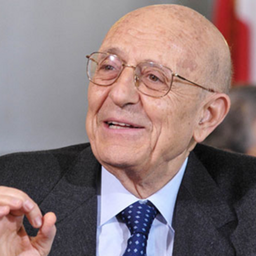
*Sabino Cassese is an Italian jurist, former minister for public function in the Ciampi government and judge of the Italian Constitutional Court.


Lini një Përgjigje