


 Shkruar nga Pamfleti
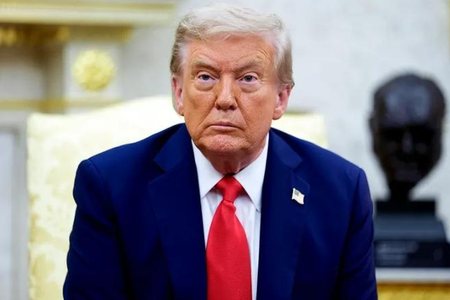
US President Donald Trump said on Saturday that the United States is ready to impose new energy sanctions on Russia, but only if all NATO countries stop buying Russian oil and implement similar measures.
"I am ready to impose major sanctions on Russia when all NATO countries have agreed and started doing the same and when all NATO countries stop buying oil from Russia," he wrote in a post on social media.
In recent weeks, Washington has increased pressure on allies to tighten energy sanctions on Moscow, aiming to cut off the funding for the war in Ukraine. However, Trump faces domestic criticism, as repeated two-week deadlines he has set for Russia have not been followed by concrete action. A recent Reuters/Ipsos poll shows that 54% of Americans see him as very close to Moscow, including one in five Republican voters.
On the other hand, the European Union has announced that it will continue to cooperate with global partners in the framework of sanctions against Russia, but always in accordance with its own rules and without extraterritorial application. Meanwhile, the finance ministers of the G7 countries have discussed additional measures against Moscow, including tariffs on countries considered to support its war in Ukraine.
Oil and gas exports remain Russia's main source of revenue, making them a prime target of Western sanctions. But experts warn that tougher measures against Russian oil could significantly increase global energy prices, creating negative consequences for Western economies and weakening public support for the sanctions.
According to the Center for Research on Energy and Clean Air (CREA), several NATO member countries continue to import Russian oil. Turkey is the third-largest buyer globally after China and India, while Hungary and Slovakia also continue to receive supplies from Moscow.
In this context, the Trump administration has imposed an additional 25% tariff on imports from India, aiming to curb its purchases of cheap Russian oil, bringing the total tariffs to 50% and straining trade relations with New Delhi. Meanwhile, China has not faced similar measures, due to the sensitive trade balances between the US and Beijing. Trump has suggested that NATO, as a bloc, impose tariffs of 50 to 100% on Chinese imports, with the aim of weakening China's economic influence in support of Moscow.



Lini një Përgjigje