


 Shkruar nga Pamfleti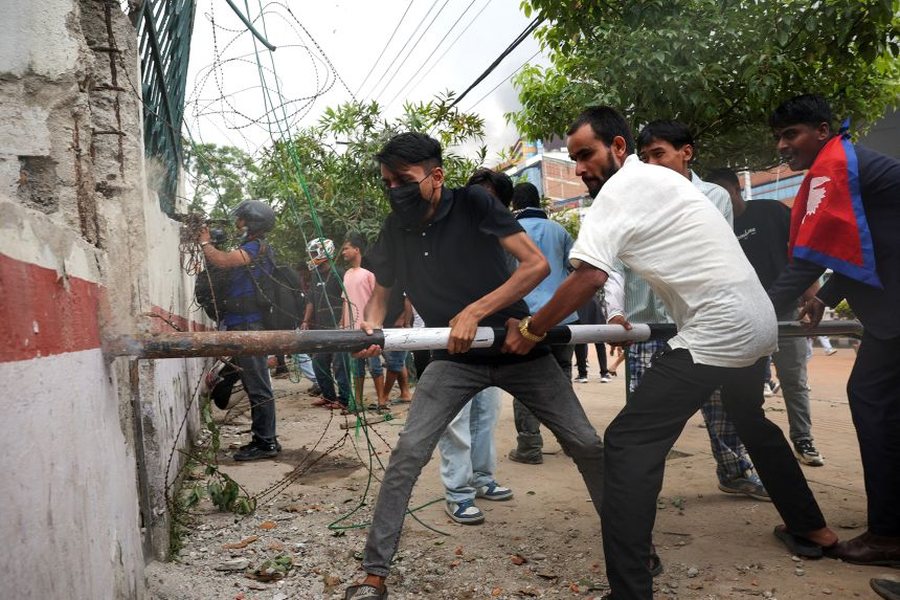
"Gen Z" overthrows the elite: The biggest unrest in decades leaves Nepal without a government
Nepal's Prime Minister KP Sharma Oli has resigned after a wave of anti-corruption protests that have rocked the country, described as the worst unrest in decades. His decision comes after at least 22 people were killed in violent clashes with police in just two days, as angry mobs attacked state institutions, political parties and the homes of leaders.
In his resignation letter to President Ramchandra Paudel, Oli stated that he was stepping down “to pave the way for a constitutional resolution of the crisis and to contribute to a political settlement of the situation.” The presidency has confirmed the acceptance of the resignation and the start of talks to find a successor, but for now, Nepal is without a clear political direction.
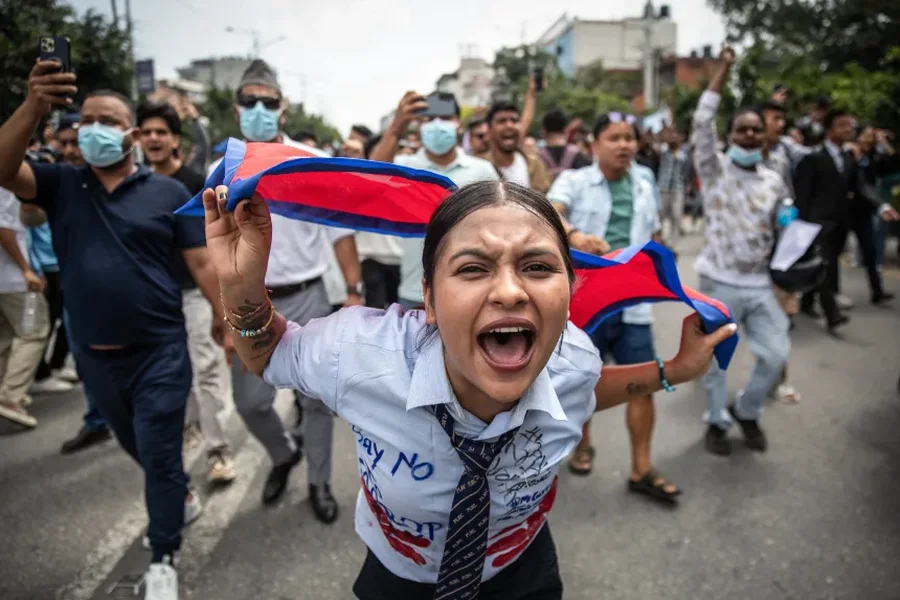
The protests began last week when the government ordered the blocking of 26 social media platforms, including Facebook and Instagram, under the pretext of fighting fake news and hate speech. But for young people, especially Generation Z, the move was seen as a direct attack on freedom of expression and an attempt to silence the anti-corruption campaign.
Although the ban was lifted on Monday evening, the accumulated anger erupted into an unprecedented revolt, turning into a broad movement against the political elite.
In recent weeks, social media has been abuzz with the "nepo kids" campaign, which exposed the lavish lifestyles of politicians' children and allegations of wealth acquired through corruption. This became the catalyst for a massive outburst of discontent.
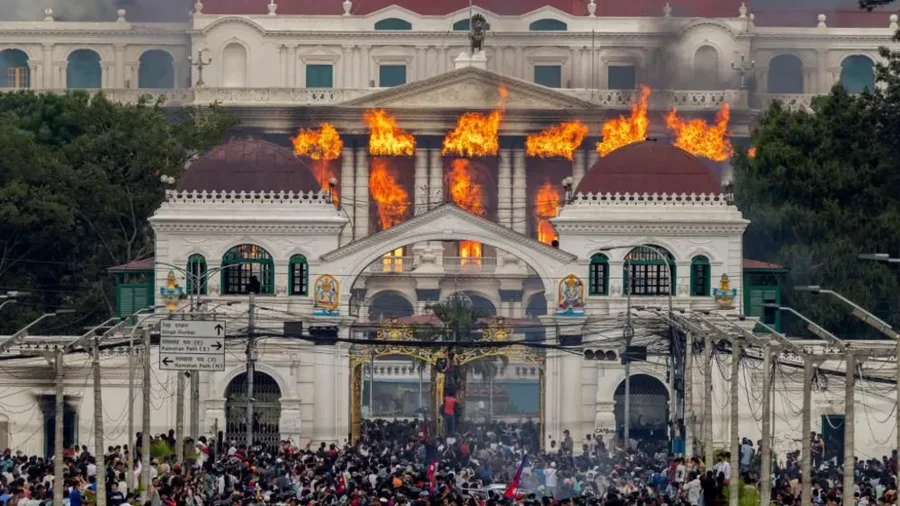
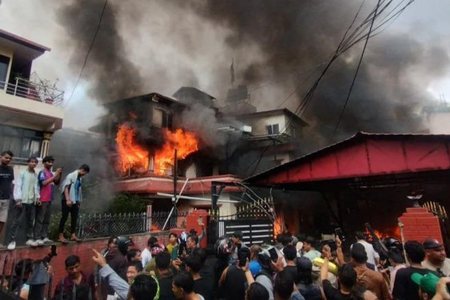
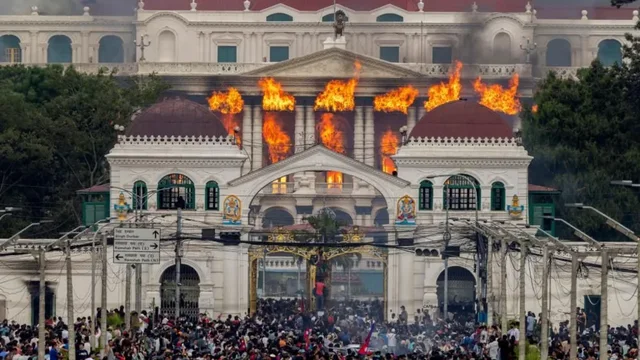
Footage from Kathmandu showed the country's parliament in flames, with crowds chanting anti-government slogans and waving national flags. Inside the building, windows were smashed, while walls were covered in graffiti and anti-government messages.
Protesters also burned the headquarters of the Nepali Congress Party, the house of its leader Sher Bahadur Deuba, and Oli's own residence.
The chaos didn't stop there: authorities confirmed that 900 prisoners escaped from two prisons in the west of the country after crowds broke down the doors and forced their way in. The incident has put the security system on full alert.
The army warns of intervention
In a statement on Tuesday night, the Nepalese army accused protesters of exploiting the crisis for vandalism and looting, warning that if the violence continues, "all security institutions, including the army, will take control of the situation" from 10:00 p.m. local time.
Army chief General Ashok Raj Sigdel said in a video message that it is a national duty to maintain the order and unity of the country, while appealing to young people for restraint.
Unlike past protests, this movement has no centralized political direction or clear leader. It is spontaneous, driven by popular anger and general calls to end corruption.
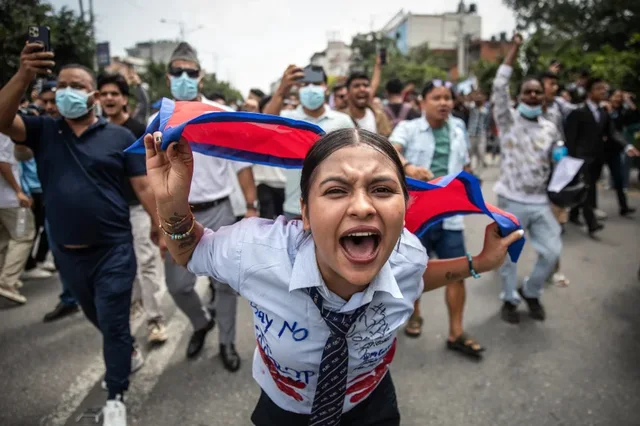
"It's time for our country to change," Muna Shreshta, a 20-year-old protester outside parliament, told the BBC. "We have paid taxes, but the money has been stolen. We want it to be used to develop Nepal, not to enrich politicians."
What's next?
Oli's resignation has opened a dangerous political vacuum: there is no clear plan for his successor, while many ministers are reportedly hiding under the protection of security forces. Meanwhile, the protests do not seem to be stopping, as demands for "complete change" are only increasing.
With the country without a functioning government, with the army warning of a takeover and with protesters who have turned the revolt into a national movement, Nepal risks plunging into a deep political and institutional crisis - the most serious since the end of the monarchy in 2008. /Adapted from "BBC"


Lini një Përgjigje