


 Shkruar nga Pamfleti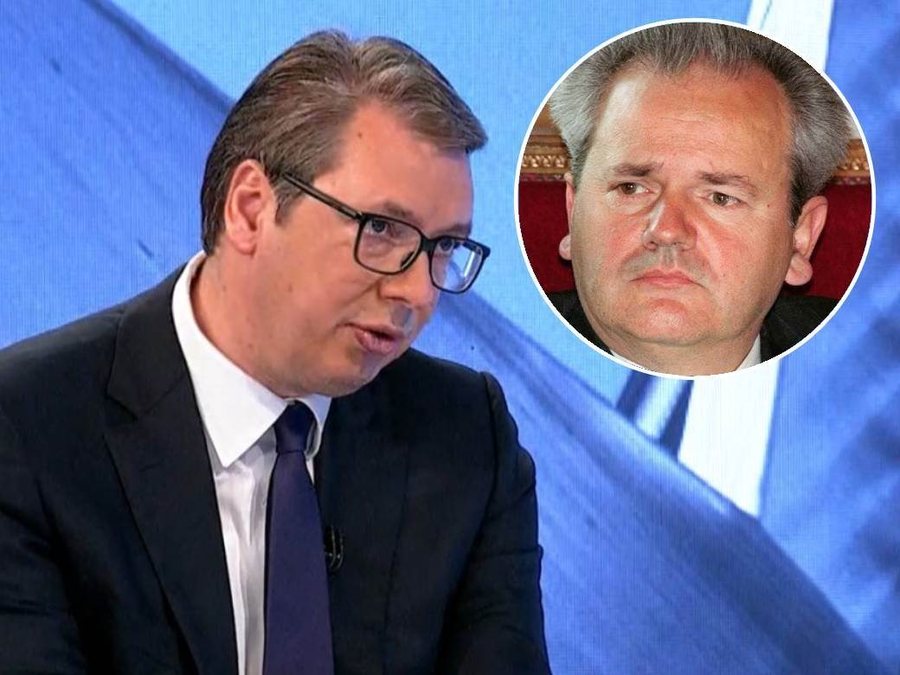
The good news is that Serbia still has many democrats who see the EU as an ally. The bad news, however, is that domestically they have nothing in hand. The most they could hope for is to take Belgrade, a feat that the anti-Milosevic opposition achieved in November 1996.
Serbia has a special property of turning the past into the future. One would think that the country has long since moved on from the lows of the 1990s. However, at least some Serbs feel that the clock has turned back to the era of former president and strongman Slobodan Milosevic.
The first fact that proves such a return is the ubiquitous tabloids and popular TV channels. Which pump strange headlines, the war is back in the former Yugoslavia. Serbia is still fighting yesterday's battles against Kosovo Albanians, Bosniaks and, occasionally, Croatia or other neighboring countries.
Fact number two: The perfidious West is undoubtedly complicit, aiding and abetting foreign enemies and fifth columnists in Belgrade with equal gusto. So much so that Serbian President Aleksandar Vučić insinuated, after the December 17 early parliamentary and local elections, that "an important country" had interfered "in the most brutal way" in the vote (a veiled reference to Germany).
Prime Minister Ana Brnabic, on the other hand, speaking about the opposition's protests against election irregularities, thanked the Russian security services for warning the government about "what was being prepared in Belgrade".
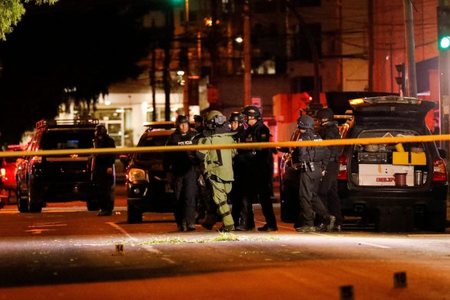
For the opposition, the harsh police crackdown on a rally on December 24 undoubtedly caught Milosevic's eye. The opposition coalition Serbia Against Violence (SPN) has been leading the protests against manipulated votes. Election observers have raised the alarm about the alleged foul play of Vucic and his circle.
The list includes ghost voter registration in central Belgrade neighborhoods, busing people from Republika Srpska to election centers in Serbia, buying votes, stuffing ballot boxes and individuals voting more than once. These practices skewed the outcome of the local elections in Belgrade, which took place alongside the parliamentary vote.
In a special report, an international election observation mission concluded that irregularities had marred the voting process. Vucic and his Serbian Progressive Party (SNS) received disproportionate coverage in both public and private media.
The opposition certainly had an opportunity to take Belgrade. The SNS and its ally, the Serbian Socialist Party (SPS) of Ivica Dacic, lost their majority in the capital's assembly. However, according to the final results revealed on January 4, SNS still finished first, ahead of SPN.
Surprisingly, the SPN is calling for a rerun of the elections. And with the Serbian Christmas over, the protests will be back in full swing this coming weekend. Marinika Tepič, who briefly went on hunger strike and has become the face of the anti-Vucic riots.
In previous cases, the EU would probably have preferred to appear neutral. The sympathies of Brussels officials may have been with the democratic opposition, but to settle openly on one side would be uncomfortable. Vucic is as much a challenge for the EU as a partner, not least in the complicated negotiations with Kosovo.
The Serbian government has targeted the EU, accusing it of a campaign of destabilization. On January 8, Peter Stano, spokesman for the European Commission, condemned such claims, comparing them to Russian propaganda.
There has also been criticism from a social democratic member of the German Bundestag, with the coalition cabinet in Berlin expected to toughen his rhetoric. The war of words could escalate further – especially if Serbian officials continue to cool down and pay homage to Russia, or talk publicly to its ambassador, Aleksandar Botsan-Kharchenko.
The Serbian opposition would certainly like to change the tone in Brussels and key EU capitals. Accusations against European figures of collaboration with Vučić are a little less convincing these days than in the recent past. At the same time, Western pressure against Serbian authorities may not even level the playing field, the outcome the opposition really wants.
Vučić can accept a repeat election in Belgrade and this time play fairer, but this does not guarantee SPN progress in the capital. National elections are even less likely, but even if they happen, the SNS could still emerge victorious. The party boasts 800,000 members in a country whose population numbers under 7 million. It is a large-scale clientelistic machine that provides access to public sector jobs and state resources.
Vucic is also in the group with the most followed media, especially the TV channels Pink and Happy. And he has a compelling narrative of how he is working tirelessly to make Serbia richer, more developed and more influential in regional affairs. In due course, he will probably try to reassure Western leaders that he means no turn toward Russia in foreign policy. In contrast, the Serbian opposition lacks a narrative or substantive offer to the Serbian base beyond calls to get rid of Vucic, who has been marred by alleged corruption and ties to organized crime.
In 2019, Freedom House reclassified Serbia as "partly free", which is a "hybrid" regime, as opposed to unconsolidated democracy. The events of the past weeks support the observer's judgments.
The good news is that Serbia still has many democrats who see the EU as an ally. The bad news, however, is that domestically they have nothing in hand. The most they could hope for is to take Belgrade, a success that the anti-Milosevic opposition achieved in November 1996./ Adapted "Pamphlet" from "CarnegieEurope"




Lini një Përgjigje