


 Shkruar nga Pamfleti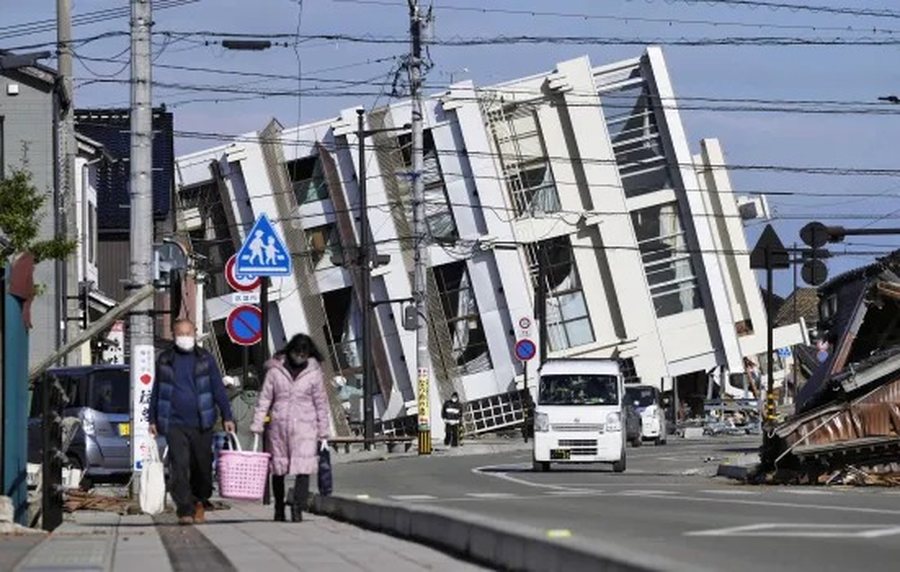
Turkey and Japan have a similar history of large and repeated geological disasters and upheavals.
Last February, Turkey's 7.8-magnitude earthquake killed more than 59,000 people, while the 7.6-magnitude earthquake that struck western Japan on Monday has so far claimed only 65 lives.
So why did one nation experience only 0.1% of the deaths of another?
In many ways, the countries are similar.
Turkey and Japan have a similar history of large and repeated geological disasters and upheavals.
But a comparison shows that their experiences are very different. The challenge for the rest of the world is how to be more like Japan and less like Turkey.
While there is no way to prevent an earthquake from happening, what can be prevented – or at least limited – is the scale of disaster caused by these inevitable tremors.
Both earthquakes were large. And numerically, 7.6 doesn't seem much less than 7.8 points. But earthquakes are measured logarithmically. A magnitude 7.8 earthquake is 1.5 times larger than a magnitude 7.6 earthquake – and twice as strong, according to the US Geological Survey. It is the force, or release of energy, that brings down buildings.
In Turkey, a powerful 7.5-magnitude aftershock followed, destroying buildings that had already become unstable.
However, Japan has experienced previous earthquakes exceeding that of Turkey, and has also performed much better. Its big 2011 earthquake, for example, had a magnitude of 9.1. That earthquake took about 15,000 lives, far fewer than the one in Turkey. And most people were killed by a powerful tsunami.
Japan, with 125 million inhabitants, has a much larger population than Turkey, with 85 million inhabitants.
But Monday's earthquake hit a peninsula surrounded by water on one side. Japan's Noto Peninsula is known for its rural landscapes, coastal scenery and morning markets.
Turkey's earthquake hit a landlocked and populated region on the border with Syria. Hardest hit was the city of Gaziantep, where millions of refugees from Syria's civil war had sought refuge from that country's civil war. The earthquake highlighted an already stressed landscape.
Unlike Japan, Turkey's global bailout efforts faced profound challenges. This delayed help for the injured, the sick and dying.
The Turkish city of Gaziantep was "a region literally on the front lines of the humanitarian response," according to Erol Yayboke, former director of the Project on Fragility and Mobility at the Center for Strategic and International Studies.
”Për t’i bërë gjërat më keq, shumë nga grupet ndërkombëtare të ndihmës që do të kishin ndihmuar ishin tashmë në Gaziantep – kështu që pësuan dëmet e tyre të rënda”, shkroi ai. Menjëherë pas tërmetit, i vetmi vendkalim i miratuar nga Kombet e Bashkuara për të sjellë ndihma ndërkombëtare në Sirinë veriperëndimore, për një kohë nuk funksionoi për shkak të dëmtimeve në zonë.
”Marrja e ndihmës për rajonin u ndërlikua më tej nga lufta civile e Sirisë, ndarja e territorit në rajon dhe dhe marrëdhëniet e ashpra midis presidentit Bashar al-Assad dhe shumë vendeve perëndimore”, sipas ”New York Times”.
Në të kundërt, Japonia është një model i stabilitetit ekonomik dhe social, sipas Forumit Ekonomik Botëror. E njëjta natyrë kolektive që e ndihmoi atë të përballonte me sukses pandeminë Covid-19 – me maska të përhapura, pushime të kufizuara nga puna dhe norma të larta punësimi – e ndihmon atë t’i përgjigjet menjëherë dhe në mënyrë efektive tërmeteve.
Të martën, vetëm një ditë pas katastrofës, Japonia organizoi dhe dërgoi 10 000 nga forcat e saj ushtarake për të ndihmuar në përpjekjet e shpëtimit dhe ndihmës.
Por, ndryshimi kryesor është gatishmëria. Tërmetet nuk vrasin, ndërtesat e këqija e bëjnë këtë. Japonia e ka bërë sigurinë sizmike një prioritet kombëtar – duke krijuar një kod ndërtimi sizmik që konsiderohet më i rrepti në botë.
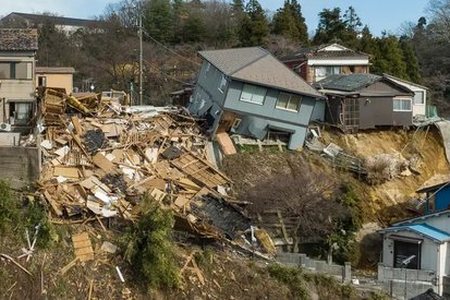
Mediat japoneze tregojnë një seri rrëshqitjesh të mëdha dheu, rrugë bregdetare të shembura, pemë të rrëzuara dhe një mur detar mbrojtës të rënë. Foto të tjera tregojnë rrugë të rrafshuara të përmbytura dhe dhjetëra varka të përmbysura. Ndërtesat u shembën. Por, shumë nga vdekjet duket se janë shkaktuar nga zjarri, jo nga rrëzimi i strukturave. Rreth 24 të vdekur u raportuan në qytetin Wajima, ku një zjarr i madh shpërtheu në një treg të njohur për turistët. Më shumë se 100 shtëpi morën flakë pas tërmetit.
Valët ishin të mëdha, por për të paralajmëruar banorët për rrezikun e cunamit, një paralajmërim i verdhë i ndezur – “Vrapo!” – shpërtheu në ekranet e televizionit japonez duke këshilluar banorët në zona të veçanta të bregdetit që të evakuohen menjëherë. Për njerëzit në trenat me shpejtësi të lartë, shërbimi u pezullua në mënyrë të sigurt.
Japonia i ka mësuar mësimet e saj në mënyrë të vështirë.
Në vitin 1923, qyteti i famshëm i Tokios u shkatërrua nga një tërmet 7,9 ballë, duke vrarë 105 000 njerëz. Brenda një viti, qeveria japoneze kishte filluar tashmë krijimin e kodit të saj të parë të ndërtimit për ndërtime rezistente ndaj tërmeteve, duke shënuar agimin e dizajnit strukturor sizmik të botës.
Gjatë tërmetit të tij të madh të vitit 2011, dëmi në Toyko të mbushur me njerëz ishte i kufizuar, pasi kullat e larta u lëkundën në mënyrë alarmante për disa minuta, por nuk u rrëzuan.
Japan experiences so many earthquakes that three specific methods of stabilizing buildings have been developed, which are integrated into the country's building codes and are strictly enforced. At a minimum, beams, columns and walls should be of minimum thickness to withstand sway. Taller buildings use shock absorbers to absorb energy. The tallest buildings are insulated from the ground with layers of lead, steel and rubber.
Other nations have noticed this.
Chile, which experienced the most powerful earthquake ever recorded by the USGS – the magnitude 9.5 Valdivia earthquake of 1960 – has also made significant investments in seismic design and regulation of strict building codes.
Recent earthquakes in Chile have caused few deaths.
"In contrast, many of Turkey's casualties occurred in structures built with substandard materials and allowed to stand by government officials who failed to enforce building codes requiring earthquake resistance," the Union of Chambers of Commerce told the BBC. Turkish Engineers and Architects Chamber of City Planners.
"The government has offered periodic building amnesties - legal exemptions from paying a fee - for structures built without the required safety certificates," the BBC also reported.
In Turkey's next earthquake, Turkish geologist Naci Gorur told the New York Times last year that collapsed buildings could leave tens of thousands of people buried under rubble and block the city's narrow streets, hampering rescue and relief efforts. sending aid. (ATSH)




Lini një Përgjigje