


 Shkruar nga Adrian Pabst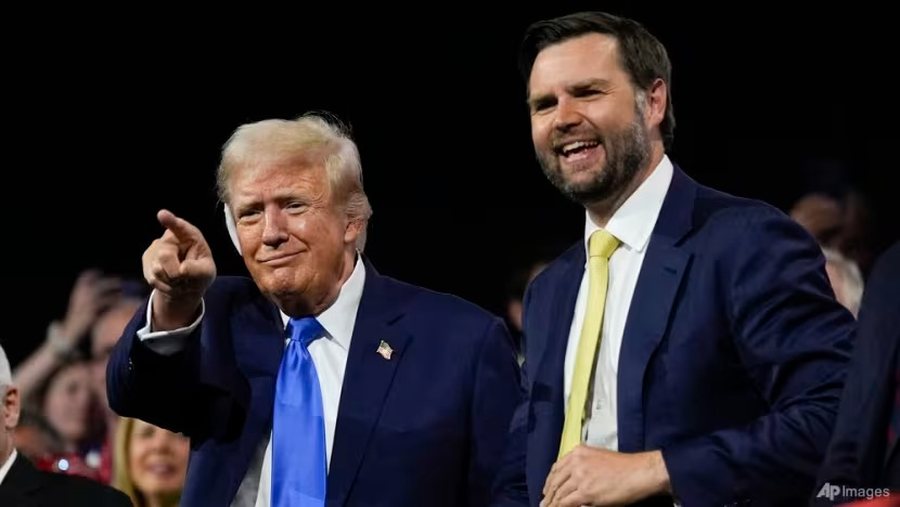
Western politics is trapped in a vicious circle of technocrat rule and waves of populism. It seems as if we are destined to oscillate endlessly between establishment and rebel forces, leaving our politics and our daily lives in an increasingly degraded state.
In fact, neither the technocrats nor the populists offer a transformative political economy that can halt the decline, let alone bring about national renewal. American politics has reached the latest tipping point in this cycle: the newly announced Trump-Vance bid carries all the rhetoric of radical change, but none of the political capacity to actually bring about that change.
Populism at best provides a corrective to the errors of 21st century governance, its disdain for ordinary people, democracy and patriotism, and its failure to narrow economic inequality and social exclusion. Technocratic rule has left millions of people poorer and more lonely.
But as soon as they come to power, populists fail to improve living conditions. Donald Trump's first presidential term was remarkable for the sheer inertia of the system dominated by the power nexus from Wall Street through the Pentagon to Silicon Valley. Some define as "unholy" the alliance between technology and the world of finance.
But you could also call it pluto-populism, that is, a fusion between reliance on plutocratic power and the populist appeals of "the will of the people," which Trump's campaign embodied in 2016. Promising to "drain the swamp," he faced Deep State (Deep State), only when he prevented it personally. But that didn't stop his administration from enacting huge tax cuts for America's wealthiest.
And neither did the multitude of courts with anti-working class judges that rolled back workers' rights, even though big business didn't make it harder for them to organize into unions. Despite Trump's trade and technology tariffs on China, output did not grow, while wages barely rose.
So there was no radical change in the situation. Something similar was seen with the Conservatives under Boris Johnson and Liz Truss in Great Britain. In 2019, when they won by a landslide, there was much talk of a new coalition of working-class "Red Wall" voters with middle-class "Blue Wall" voters.
Kryengritja ndaj elitës e Johnson, premtoi një riorganizim që do të prekte “majtas në ekonomi dhe djathtas në kulturë”. Por konservatorët qeverisën për vite me radhë si liberalë, jo si konservatorë apo radikalë. Qeveritë konservatore të pas vitit 2019, ishin liberale në raport me migracionin masiv dhe të lidhura me modelin Thatcher -Blair të fundamentalizmit të tregut të mbështetur nga shteti.
Mandati i shkurtër i Truss, pasuar nga masat restauruese të Sunak, ishin vetëm shembujt e fundit. Dogmatizmi i tyre paratha edhe rrëzimin e tyre nga pushteti. Kur ta shpjegojnë këtë, populistët do të ankohen për një reagim të elitës ndaj rebelimit të tyre. Dhe këtu ata kanë një farë të drejte.
Ka gjithmonë një rezistencë ndaj ndryshimit të një sistemi që u shërben interesave të tij. Por populistët në pushtet janë kryesisht luftëtarë të kulturës, denoncimet e të cilëve për “Wokeism”, nuk bëjnë asgjë për të përmirësuar materialisht jetën ose jetesën e votuesve të tyre.
Ç’është me e keqja, udhëheqësit dhe partitë populiste nuk po arrijnë që ta kuptojnë se rrënjët e luftërave kulturore, shtrihen kryesisht tek një model ekonomik i prishur që nuk po funksionon më për miliona njerëz. Problemi i “kapitalizmit të zgjuar”, është se ai është sa kapitalist aq edhe i politizuar.
Ai kombinon kryqëzatat ndaj korporatave për kauzat e të majtës, me mbrojtjen e monopoleve në mënyra që bashkojnë virtytin e përgjithshëm me interesin vetjak. Për këtë arsye, establishmenti ekonomik i SHBA-së - Walmart, Facebook, Amazon, si dhe administruesit e Ivy League dhe ata që janë përgjegjës për ligat kryesore sportive - i mbështetën protestat globale kundër racizmit dhe financuan lëvizjen “Black Lives Matter”.
Gjithsesi, administrata Trump dështoi të vendoste nën kontroll kapitalizmin monopolist,
që përqendron në pak duart pasurinë dhe pushtetin. Populistët nuk kanë goditur as ata që promovojnë axhendën për Barazi, Diversitet dhe Përfshirje, që në praktikë do të thotë pak
më shumë se sa të menduarit në grup, duke përjashtuar të gjithë ata që guxojnë të mos bien dakord.
Për shembull nën sundimin e qeverisë së Boris Johnson në Britani, kemi parë kulmin e një fushate të pamëshirshme të anulimit të kulturës tradicionale, viktimat e së cilës përfshinin intelektualë publikë si feministja kritike ndaj çështjeve gjinore, Kathleen Stock.
Pas një dekade ose më shumë kur populistët fituan zgjedhjet, është e habitshme që alternativa e tyre e vetme ndaj dogmës së dështuar të tregut të lirë, është në fakt një model i kapitalizmit shtetëror. Për shembull marrim rastin e Victor Orbán në Hungari, i cili e përdor pushtetin e tij shtetëror për të arritur marrëveshje me Gjermaninë që përfshijnë pagesën e subvencioneve dhe granteve të mëdha për industrinë gjermane të makinave, ndërsa importon fuqi punëtore të huaj më të lirë.
And Orbán and his ilk have had a hard time coming up with a non-authoritarian response to the break with liberalism that they so desire. In addition to losing the basic institutions that liberalism developed, such as an independent judiciary and a free media, they continue to support some of the most harmful aspects of liberalism.
It is therefore not surprising why Orbán seeks a rapprochement with Putin's Russia and Xi Jinping's China. This happens not only for geopolitical reasons related to Ukraine, but also for geo-economic reasons. China and Russia are able to fully agree on the expansion of the value of "choice" within the confines of a private life that is increasingly tightly controlled.
Therefore, Chinese and Russian citizens enjoy ever greater freedoms as consumers, while the state oversees state capitalism, to control not only information, but also personal data. The range of permissible commercial choices can be infinitely expanded, as long as these choices are indifferent to the authoritarian behavior of the state.
As technocracy and populism feed off each other, Western politics will remain in limbo until a governing party builds a new political economy that combines shared development with greater social cohesion. This is as true for Britain as it is for any other country. Can Labor rise to this historic challenge? / Adapted from "Newstatesman"





Lini një Përgjigje