


 Shkruar nga Pamfleti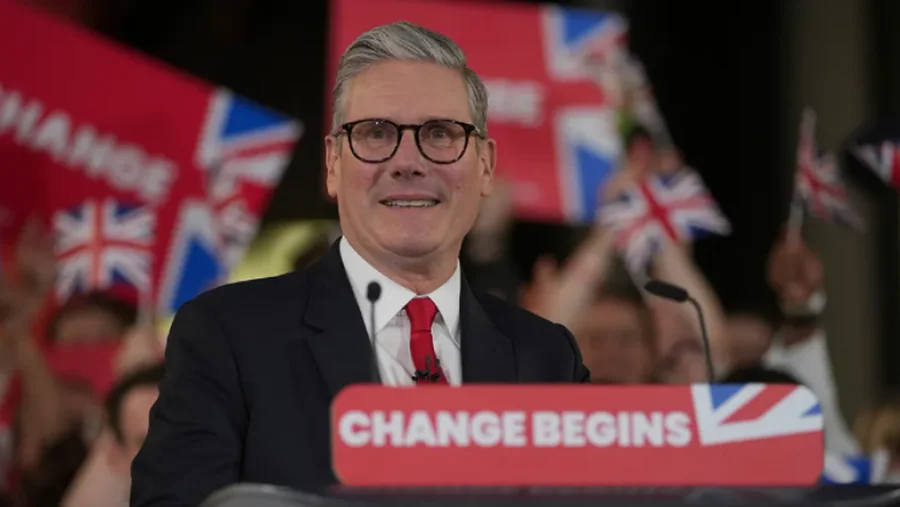
Sunak barely held a seat in Parliament but resigned from all positions, leaving the field open for Starmer's team, able to take 63% of the seats with 34% of the vote in the wake of the unique system.
Tony Blair wrote, in a letter to the new British Prime Minister Keir Starmer after the triumph of Labor, where he said that the center is not the swamp in which ideals sink, but the space where solutions are found to govern countries. Solutions inspired by common sense – common sense that can be radical, innovative, or bold. And also unpleasant, especially in a season in which the North Star of consensus shines in the sky of angry, shouted conflicts, without paths and nuances. As the philosopher Avishai Margalit wrote, it will not be victories or even defeats that define who we (states) are, what will matter is the quality of the compromises we reach over time (On Compromise and Rotten Compromises, 2010) .
This may be the lesson that ends an extraordinary electoral season for Europe. First, the vote for the renewal of the Parliament of Strasbourg, with the advancement of the right and yet maintaining the majority (popular, socialist, liberal). Then the one who overturned the balance of power in the United Kingdom, ending the long cycle of the Conservatives. Finally, the most sensational step: the two rounds of French legislative elections, which saw a very broad coalition – from leftist rebels to Macron's moderates moving as a barrier to the threat of Lepenism, seen as imminent in the Tower of Babel by surveyors and analysts.
Spring-summer 2024, therefore, a time for risk and reflection. It began with the English Conservative leader Rishi Sunak, who in late May, without an umbrella in the pouring rain, announced the announcement of an election on July 4, earlier than expected in the autumn. "You can get wet alone", was the headline of a newspaper the next day, playing on the scene of the drenched Prime Minister and predicting a wetter than bright future for the Conservative front. Shortly after, on June 9, President Macron's speech on the unified channels: it is better to ask ourselves immediately and vote, given the expressed favor for the empowerment of Marine LePen and Joseph Bardella in the European elections, let's see if the French people confirm this turn to the right.
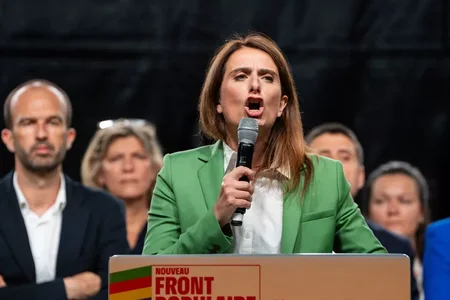
The double bet, in two countries that have always defined continental history, had opposite results. Sunak barely held a seat in Parliament but resigned from all positions, leaving the field open for Starmer's team, able to take 63% of the seats with 34% of the vote in the wake of the unique system. Instead, Macron witnessed, between one round and another, the collapse of favor for the LePen-Bardella tandem thanks to an effective system of resistance that united his Ensemble men with the "never submissive" leaders of the Popular Front. Now we can discuss at length about electoral systems, in this era of internal fragmentation of democracies: what guarantees governance? Which instead guarantees more respect for the structurally insecure and fractured voices of the electorate?
Meanwhile, we can focus on three points.
First: participation, which has been in chronic decline since the 70s and 80s, has turned the tide, showing that when the comparison is clear, even transparent, the desire to participate is revived. The electoral body moves, seeks to influence the final result and succeeds. Reviving a perimeter of shared values/interests as opposed to the fiery web of individual drives headed in straight lines destined never to meet.
Second: Europe is not dead at all. In Great Britain, the terms of rapprochement are already being discussed after years of exhaustion in negotiations and separation protocols. In France, the very idea of a Frexit – given the sad difficulties of Brexit – has also disappeared from sovereignist tables.
Third: Starmer, who was a lawyer until his early 50s, is right, the mission now is to rebuild trust in politics. So, in the possibility and capacity of democracies to repair, reactivate and reform systems drowned by global changes and cut by the scissors of the economy.
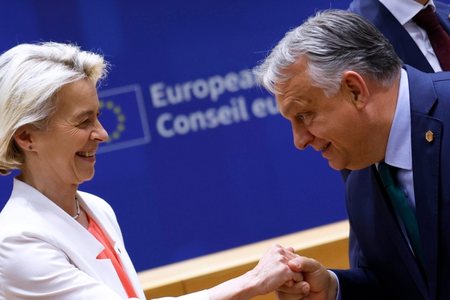
On the right, it is time to admit that the Nationalist Patriots are marching alone in the country, even if Captain Orbán moved in surprise – almost like a Blitzkrieg – along the Budapest, Moscow, Beijing route. On the left, reformist forces must be exposed – with promising leaders like Raphaël Glucksmann – to send the maximalist flags that have adorned the trenches for 30 years instead of showing a stable path to the attic./Corriere della sera



Lini një Përgjigje