


 Shkruar nga Pamfleti
The Biden administration often seems more afraid of Iran than Iran is of the Biden administration. This is a very dangerous dynamic for the United States. It undermines US deterrence, which is a function not only of the US military's considerable capability, but also of its willingness to use it to protect US interests. While the military action that President Joe Biden ordered this week to counter the Islamic Revolutionary Guard Corps (IRGC) and its axis of resistance is degrading Iran's capacity, it is not impeding its will.
President Biden often seems uncomfortable talking about Iran. Throughout his presidency, he has never issued substantive, formal remarks outlining his policy toward Iran. This is unusual for a regime that poses a major threat to American interests and values. On Jan. 30, when the president was asked about his response to Iran's axis of resistance that killed three U.S. service members in a drone strike in Jordan, he gave short answers as Marine One waited noisily in the background for the departure of him from the White House. He has relied on short, written statements on all things Iran — including when he announced the death of American troops on Jan. 28 and when the United States began its retaliation.
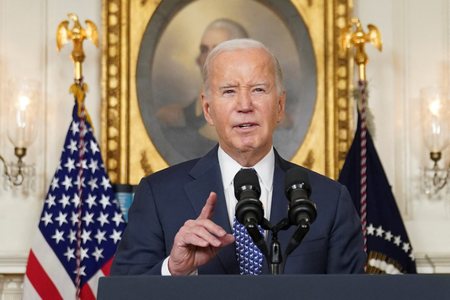
The president is reportedly reluctant to even give a formal address to the nation on the subject — something his predecessors did when they authorized military action. He thinks a big speech "could escalate tensions with Iran and ignite a larger regional conflict," according to Politico.
In recent days, his administration released intelligence assessments that portrayed Iran as not having full control of its proxies. This leak appeared to be political in nature to justify targeting only the tentacles of the Octopus, representatives of Iran, instead of the head in Tehran.
One unnamed senior official even went so far as to publicly rule out a US attack on Iran – something the US national security adviser had to backtrack on in a later television interview because the remark was so damaging . When America finally responded to Jordan's attack, with missile strikes on Iran's proxies in Iraq and Syria this week, there was a build-up of several days. Coupled with unusual transparency about the timing and timing of the military response, this allowed top Iranian commanders to flee Iraq and Syria to Iran for safety.
Fakti që Amerika qartë nuk dëshiron konflikt me Iranin ka telegrafuar gjithashtu dobësi. Vendimmarrësit iranianë e dinë mirë këtë. Nëse presidenti duket i frikësuar për të mbajtur një fjalim, kjo ngre pyetje nëse lideri suprem në Teheran i frikësohet një kërcënimi të besueshëm ushtarak ndaj programit të tij bërthamor.
Pavarësisht këtij qetësimi amerikan, Republika Islamike nuk ka reaguar. Ajo ka rritur frikën e presidentit. Mediat iraniane e kanë portretizuar Bidenin si të mavijosur dhe të gjakosur në faqet e para të gazetave si Hamshahri, duke e quajtur atë "çantë e grushtimit të rajonit".
Në përgjigjen e saj ndaj sulmit me dron të mbështetur nga Irani në Kullën 22 në Jordani, i cili vrau tre ushtarë amerikanë, administrata Biden e ka fokusuar përgjigjen e saj në: “qendrat e komandës dhe kontrollit, ndërtesat e selisë dhe qendrat e inteligjencës; objektet e magazinimit të raketave, raketave dhe dronëve; dhe objektet e zinxhirit të furnizimit me municione logjistike.’ Ndërsa numri i objektivave të goditura nga SHBA mund të jetë rritur në krahasim me hakmarrjet e mëparshme, cilësia ka mbetur e njëjtë. Fokusi është në arkitekturën rajonale të Forcës Quds të IRGC-së dhe përfaqësuesve të saj. Shtetet e Bashkuara janë përpjekur gjithashtu të shmangin vdekjet iraniane në sulmet e tyre. Kjo po luhet sipas rregullave të Iranit. Irani është më se i lumtur të luftojë deri në irakianin e fundit.
Edhe në Jemen, administrata Biden është përqendruar vetëm në objektivat Houthi dhe ka shmangur objektivat e IRGC-së si anija e saj spiune Behshad, e cila siguron inteligjencë për Houthi-t duke u mundësuar militantëve të synojnë transportin ndërkombëtar. Presidenti gjithashtu ka të ngjarë të autorizojë operacionet kibernetike, por detajet e tyre nuk janë bërë publike.
Historia e përgjigjeve të Republikës Islamike ndaj sulmeve amerikane dhe izraelite ndaj objektivave iraniane nuk sugjeron që Presidenti Biden duhet të tregojë këtë lloj përmbajtjeje. Në vitin 1988 kur Shtetet e Bashkuara nisën Operacionin Praying Mantis, i cili fundosi gjysmën e marinës së Republikës Islamike të Iranit, provokimet detare iraniane u qetësuan dhe episodi kontribuoi në përfundimin e luftës Iran-Irak. Pasi Izraeli vrau në vitin 2022 një oficer të Forcave Quds të IRGC, Hassan Sayyad Khodaei, një udhëheqës i lartë i Njësisë së Terrorit të fshehtë ekstraterritorial 840 në zemër të Teheranit, as lufta nuk shpërtheu. Shtetet e Bashkuara duhet të mësojnë nga këto përvoja izraelite.
Even after the United States openly killed IRGC Quds Force commander Qassem Soleimani in Iraq in 2020, it did not bring war. Iran retaliated with a significant missile strike against Ain al-Asad Air Base, which claimed no American lives. But Ali Shamkhani, then-secretary of Iran's Supreme National Security Council, later said that Iran gave Iraq an advanced warning, which, by some accounts, gave Washington the heads up (although some US officials later said Iran had every intention of killing Americans in retaliation and it was good intelligence that saved lives).
Since 1979, Iran has successfully deterred the United States from launching military strikes on its soil despite four decades of its own anti-American aggression, including IRGC and Iranian Ministry of Intelligence assassination plots organized on American soil. . But the United States has been hesitant, restrained, and offered an unwarranted degree of deference to Iran. The only way to change Iranian perceptions of a lack of American resolve is to shake the Islamic Republic out of its complacency by directly striking strategic targets of value to the supreme leader./ Adapted from The Spectator



Lini një Përgjigje