


 Shkruar nga Pamfleti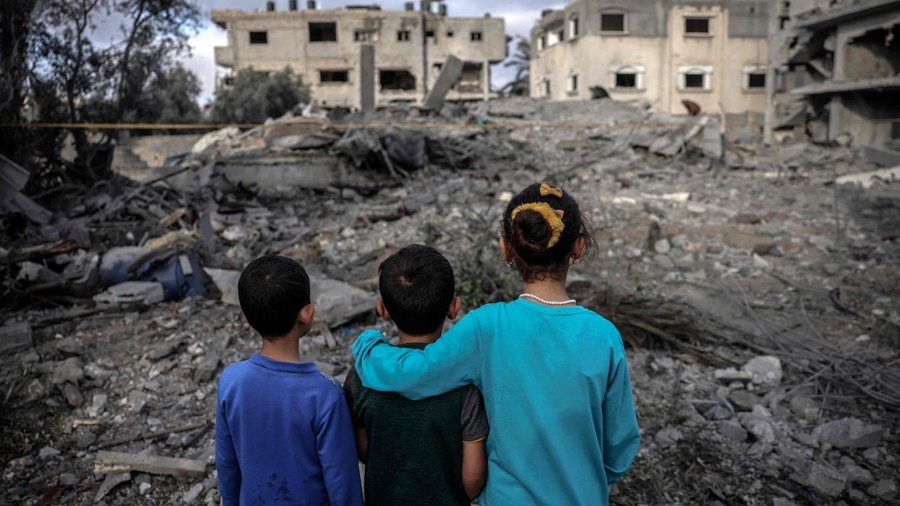
From Gaza to Ukraine, children are being raped, kidnapped, maimed, killed and even recruited as soldiers.
Disregard for the lives and safety of civilians is a disturbing feature of armed conflict. From Ukraine and Gaza to Sudan and Myanmar, respect for the "laws of war" has become non-existent. Civilians are often targeted deliberately. More shocking and unforgivable is the unforgivable harm done to children.
In his latest report on children and conflict, UN Secretary-General António Guterres warned that children "continued to be disproportionately affected" by war-related violence and abuse. By this, he meant killing and maiming, rape, sexual violence, kidnapping, attacks on schools and the recruitment of child soldiers. All are growing, he said.
Myanmar's civil war led to a 140% increase in serious violations in 2022. In South Sudan, intercommunal violence destroyed the lives of children. The countries with the highest total number of abuses recorded by the UN were the Democratic Republic of Congo, Israel-Palestine, Somalia, Syria, Ukraine, Afghanistan and Yemen. Guterres' report was compiled before the war in Gaza broke out. More than 11,500 Palestinians under the age of 18 have been killed, local officials say. Many others were injured. About 24,000 children have lost one or both parents; 17,000 were separated from their parents. Jewish children were among the hostages taken by Hamas on October 7. Now a new disaster is unfolding in Rafah.
The UN children's fund, UNICEF, says the war has had a severe impact on mental health, with more than 1 million children in Gaza in need of support. Typical symptoms include "high levels of persistent anxiety, loss of appetite, they can't sleep, they have emotional outbursts of panic whenever they hear bombings," a spokesman said. Malnutrition and war-related diseases are additional deadly enemies.
This tsunami of misery is making a mockery of international law, specifically the Geneva Conventions. "In all wars, it is children who suffer first and suffer the most," UNICEF said.
Even wars have rules. No child should be cut off from essential services. No child should be held hostage. Hospitals and schools must be protected from bombing. The cost to the children will be covered by generations to come.
Amid the continued failure to agree a ceasefire, it is estimated that a child still dies every 15 minutes in Gaza, two mothers every hour. These horrors provoked a fiery cry of protest from Israeli author Gideon Levy last week. He accused the army of indulging in "violence" and said Israeli society refuses to reflect on the price it may ultimately pay.
"Israel is wiping out generations in Gaza and its soldiers are killing children in numbers rivaling the most brutal wars. This will not be forgotten and cannot be forgotten. How can a people forget those who killed their children in such a way? How can people of conscience remain silent around the world?” Levy said.
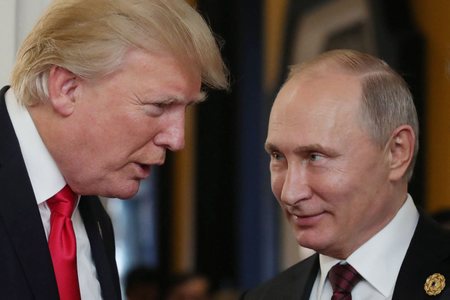
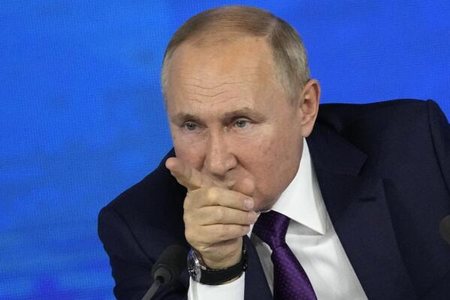
The illegal abduction of thousands of children by Russia after the invasion of Ukraine in 2022 is another way to wage war against the most vulnerable, and to demoralize the enemy. Kiev has documented almost 20,000 cases out of a possible 200,000. They form the basis of war crimes charges brought against Russian President Vladimir Putin by the International Criminal Court.
While the kidnappings have been publicized in the West, little has been done to rescue the victims or prosecute Putin.
"Russia is actively erasing its Ukrainian identity and causing incredible emotional and psychological damage ," Latvian President Edgars Rinkēvičs said at a conference on "Russia's war on children" in Riga this month.
Putin's "re-educating" child trafficking is effectively a weapon of war, aimed at destroying Ukraine's future. Olena Zelenska, the wife of Ukrainian President Volodymyr Zelensky, said time is running out as the children are growing up. "Russia is telling them that they are not wanted, that no one is looking for them. As usual, Russia is lying to them," she said.
Conflicts and emergencies are equally devastating to children's lives. Last week there was a belated focus on the crisis in drought-stricken northern Ethiopia after the war in Tigray. More than 3 million people there face acute hunger. Younger children and infants are most at risk in a country where 45% of the population of 126 million is under the age of 15.
"Veterans of aid operations are comparing the crisis to the situation in 1984, when a combination of drought and war caused a famine that killed up to a million people ," wrote regional expert Alex de Waal. The UN estimates that more than 20 million Ethiopians are in need of food aid.
The violent recruitment of children by armed groups, terrorists and criminal gangs is another area of global growth. The UN says more than 105,000 children, boys and girls, have been involved in violent conflict between 2005 and 2022, although the actual figure is probably much higher. Child soldiers are not made just to fight. They are also used as guards, couriers and sexually exploited.
In Ecuador, President Daniel Noboa's newly declared war on gangs has highlighted how minors fall prey to powerful criminal groups. In the first half of 2023, it is reported that 1,326 children aged 12 to 17 were arrested for crimes such as contract killing, drug distribution and robbery. In 2022, 289 minors were killed.
In Myanmar, Burkina Faso and Mali, attacks on schools and hospitals are on the rise, the UN says. Amnesty International warns that nearly 10 years after Boko Haram terrorists kidnapped hundreds of schoolgirls in Chibok, Nigeria is still failing to protect its children. Denial of humanitarian access, such as by the Afghan Taliban, is another deadly problem. And so it goes on.
That adults and nations choose to fight each other is normal, though unfortunate. But a world war for children? How did it come to this? /Adapted Pamphlet from The Guardian




Lini një Përgjigje