


 Shkruar nga Esad Širbegovic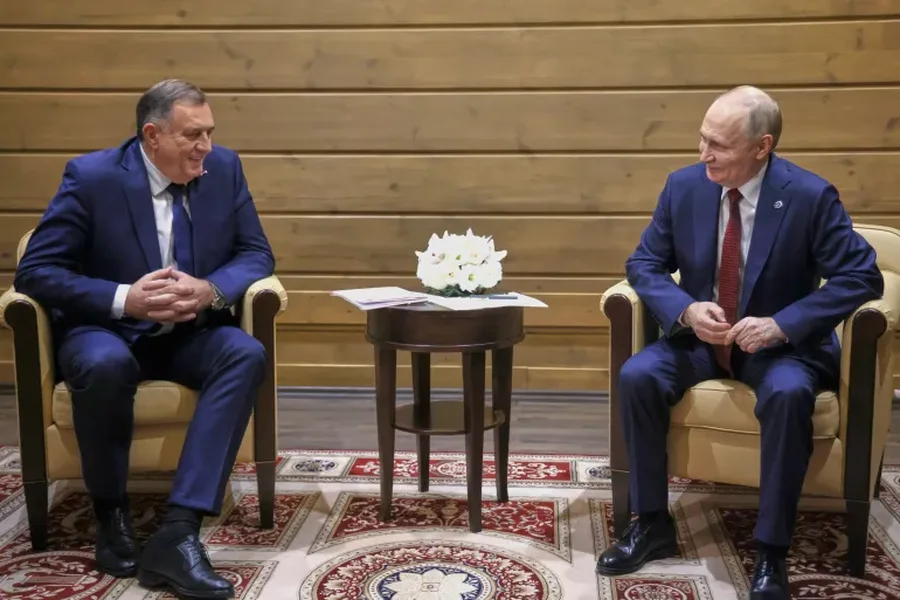
The US decision to lift sanctions on the Bosnian Serb leader allowed Russia to consolidate its influence in Bosnia and sidelined Serbia, just as it was moving closer to the West...
In a surprising geopolitical reversal, on October 29, the United States unexpectedly lifted sanctions on Bosnian Serb leader Milorad Dodik, a known Kremlin ally. The decision, which runs counter to years of American policy, intriguingly coincides with the beginning of direct relations between Russia and Bosnia’s Serb entity, Republika Srpska.
The Russians, who had long treated Belgrade as the sole authority representing all Serbs throughout the region, have recently seriously undermined Serbia's authority by recognizing Dodik as the legitimate representative of Bosnia's Serb population.
The Trump administration's sudden move to lift sanctions on Dodik, at a time when he is building a strategic relationship with Moscow, signals a potential grand bargain between world powers, raising alarming questions about what Washington gained in exchange for effectively handing over half of Bosnia to Russia's sphere of influence.
The inexplicable reversal
The US suddenly lifted sanctions on Dodik and his network. This was a sudden and inexplicable reversal of a long-standing policy. For years, the US has targeted him for trying to destabilize Bosnia, for denying the genocide, and for encouraging secession. Removing him from the sanctions list seems to give a blessing to Bosnian genocide denial and creates a clear path for the breakup of Bosnia. This move creates a glaring paradox in US foreign policy.
Dodik is one of the Kremlin's most outspoken allies in Europe, openly celebrating his ties to Moscow and defending Russian interests. However, the US maintains strong sanctions on many other individuals and entities for much weaker ties to Russia.
The confusing decision to lift sanctions against him highlights a troubling inconsistency in Washington's approach to Russia, an inconsistency that undermines the credibility of its broader sanctions regime.
Citing Dodik’s successful lobbying as the reason for this reversal is a weak and unconvincing justification. According to estimates, Dodik’s lobbying efforts in the US have increased to two or three times the $30 million figure confirmed for 2017. However, the scale of his spending is still a small figure compared to the vast sums used by other nations and interest groups that consistently fail to achieve such spectacular diplomatic victories.
Another theory for the change in US policy involves Bosnia's mineral wealth, specifically lithium. This comes after a May 21, 2025 statement by Dodik, who publicly offered the US the mineral resources of the Bosnian Serb entity in exchange for recognizing the sovereignty of Republika Srpska.
However, this theory contains a logical flaw: if the US’s primary interest were lithium, maintaining sanctions would ensure more direct control over the resources without having to give anything to Dodik. The inadequacy of this explanation strongly suggests that deeper, undisclosed geopolitical calculations are at work, raising alarming questions about the true cost of this sudden US withdrawal.
Moscow dominates Serbia
Serbia has long been moving away from Russia and closer to the West. On August 29, 2024, Serbian President Aleksandar Vučić announced a $3 billion deal with France to buy 12 Rafale fighter jets, signaling Belgrade's shift toward Western security alliances.
At a joint press conference, French President Emmanuel Macron hailed the deal as “historic,” praising Serbia’s “strategic courage” and reaffirming its European future. This did not go unnoticed in Moscow. In May 2025, Russia accused Serbia of backstabbing Moscow over arms sales to Ukraine. Moreover, in July, the Kremlin condemned Belgrade for considering joining Western sanctions against Russia.
The day before sanctions against him were lifted, instead of wooing Washington, Dodik was in Minsk hugging Russian Foreign Minister Sergey Lavrov. By meeting with Dodik the day before US sanctions against him were lifted, Moscow announced a new Balkan strategy that deliberately sidelined Serbia.
In September, the Russian Foreign Minister described Dodik as the “legitimately elected president” of the Bosnian entity Republika Srpska. But now, the official website of the Russian Foreign Ministry describes Dodik as “the leader of the Bosnian Serbs in Bosnia and Herzegovina.” This new designation serves multiple strategic purposes and marks a clear geopolitical shift.
First, it undermines Bosnia's sovereignty by asserting a national rather than merely regional mandate for Dodik's authority.
Së dyti, kjo sfidon drejtpërdrejt ambicien e Serbisë, të mishëruar në konceptin e 'Srpski' (Bota Serbe), për të vepruar si mbrojtësi qendror i të gjithë serbëve, duke pohuar në vend të kësaj pretendimin e Rusisë për të qenë arbitri përfundimtar i çështjeve politike serbe. Srpski svet i Beogradit pasqyron doktrinën "Ruski" (Bota Ruse) të Kremlinit, ku të dyja synojnë të bashkojnë të afërmit etnikë dhe gjuhësorë nën një identitet kulturor transnacional. Në fund të fundit, këto ideologji shërbejnë për të zgjeruar ndikimin politik dhe për të justifikuar ndërhyrjen në shtetet fqinje nën pretekstin e mbrojtjes së diasporave të tyre.
Sinjali më i fuqishëm i këtij ndryshimi erdhi nga vetë Dodiku. Ai e shpërfilli publikisht Vuçiçin duke deklaruar hapur se Beogradi nuk do të kishte asnjë zë në Republikën Srpska. Vuçiç u përgjigj duke përmendur fyerjen: “Mbrëmë, pashë që në Banja Luka thanë se askush nga Beogradi nuk do t’u japë urdhra”.
Për vite me radhë, Serbia e ka pozicionuar veten si kujdestarja atërore e të gjithë serbëve, me Republikën Srpska që vepron fort brenda orbitës së saj politike. Deklarata e Dodikut e shkatërroi këtë dinamikë, duke njoftuar se entiteti me shumicë serbe tani i përgjigjet një mbrojtësi tjetër.
Lëvizja e Moskës i ka ndarë publikisht Dodikun dhe Vuçiçin, duke dobësuar pushtetin e Serbisë. Kjo tregon se Rusia tani do të merret drejtpërdrejt me separatistët boshnjakë, duke injoruar qeverinë serbe. Për Vuçiçin, i cili përpiqet të mbajë lidhje si me Evropën ashtu edhe me Rusinë, ky është skenari më i keq. Kjo vërteton se ndikimi i tij nuk është më i nevojshëm dhe se Rusia tani po punon përmes Banja Lukës në vend të Beogradit, duke e zvogëluar ndjeshëm rëndësinë e Serbisë.
Loja e pushtetit e Moskës: Aneksimi i zemrës së sëmurë të Evropës
Vendimi i SHBA-së për të hequr sanksionet i ka lejuar në mënyrë efektive Moskës ta marrë Republikën Serbe si një territor të ri rus. Epoka e ndikimit indirekt ka mbaruar; entiteti boshnjak tani po qeveriset drejtpërdrejt nga Kremlini, duke ndryshuar rrënjësisht ekuilibrin e pushtetit në Evropë.
Një gjurmë ushtarake ruse në Ballkan po zgjerohet gjithashtu. Ndërsa Rusia mban baza jozyrtare në Serbi, tani ka të ngjarë të krijojë një të tillë edhe në Banja Luka, kryeqytetin de facto të entitetit serb të Bosnjës.
Bosnja, e vendosur në zemër të Evropës, ka formën e një zemre. Për 30 vjet, Bashkimi Evropian pati mundësinë të shëronte zemrën e sëmurë të Evropës. BE-ja dështoi sepse, në thelbin e saj, është e prekur nga racizmi i rrënjosur thellë: islamofobia dhe rusofobia. Çmimi për këtë urrejtje tani është i qartë. Gjysma e zemrës së Evropës, gjysma e Bosnjës, është bërë në mënyrë efektive një territor i ri rus, një territor nga i cili lëshimi i raketave do të ishte shumë më efikas sesa nga Kaliningradi.
Fusha globale e shahut: Një mirëkuptim i heshtur SHBA-Rusi?
The sudden lifting of US sanctions on Dodik, followed immediately by his strategic embrace with Lavrov, is best understood not as a failure of US policy but as a calculated move on the global chessboard. Lavrov’s masterful trail was the public empowerment of Dodik at Belgrade’s direct expense, a clear signal to Serbia that its historic role as the main protector of Bosnian Serbs is over. In this new alignment, Moscow demonstrates that it holds the key to power in the Bosnian entity of Republika Srpska, forcefully reminding Serbia of who really commands the loyalty of its so-called. / Adapted from “Pamphlet” by “Al Jazeera”



Lini një Përgjigje