


 Shkruar nga Pamfleti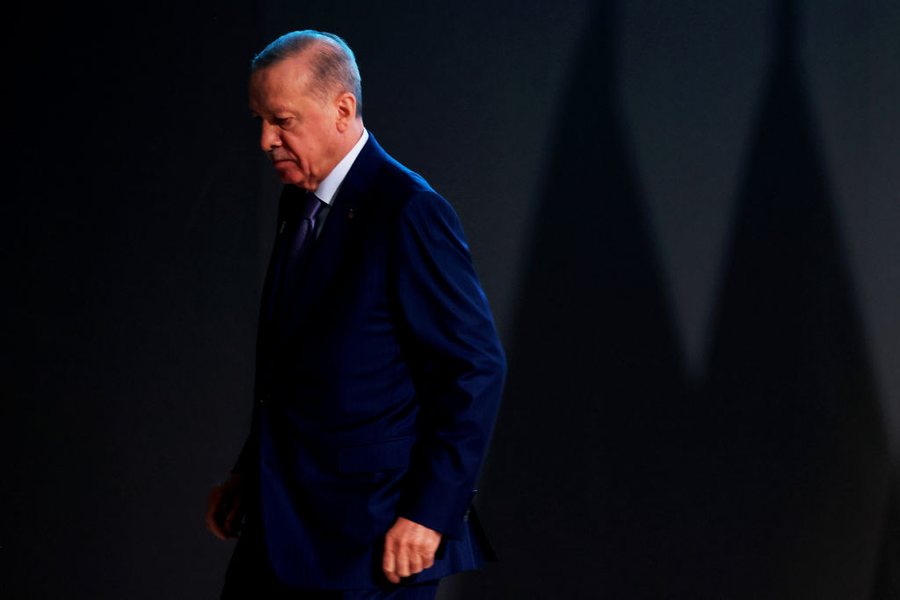
Turkey remains a like-minded partner and an ally, long-term security interests must outweigh the short-term interests of some.
Despite internal political turmoil, Ankara's timing to forge closer ties with the EU and gain access to the bloc's defense funds could not be better.
Turkish President Recep Tayyip Erdoğan has chosen his moment well.
In the face of massive protests over the imprisonment of popular opposition leader Ekrem İmamoğlu, he is doing what authoritarians do best: seizing geopolitical change to quell democratic opposition at home and try to score geopolitical points abroad.
For years, Ankara's relations with the EU have been strained - particularly due to tensions with Greece and Cyprus, but also due to concerns about Erdogan's authoritarian turn, which had frozen the country's prospects for closer ties with the bloc.
But as the European Commission decided to open the door for several third countries – including Turkey, the UK and Norway – to cooperate more closely with the EU on its new €150 billion defence programme, Security Action for Europe (SAFE), Ankara has noticed an opening.
With arch-enemies Greece and Cyprus, Turkey's recent efforts to gain access to EU defense funds are facing two familiar obstacles. Thanks to them, it has ultimately never been included in any of the bloc's initiatives that require unanimity.
But the return of US President Donald Trump and geopolitical changes have changed the prospect of closer ties with Ankara, several EU diplomats said.
In recent weeks, Turkey has become increasingly involved in European security summits, and senior officials have made it clear that they are interested.
Turkey remains a like-minded partner and an ally, long-term security interests must outweigh the short-term interests of some.
Ankara understands well that it is necessary for Europe's defense plans.
As in the past, Erdogan knows he has all the pressure points and may be willing to use them, as he did in the past with the EU-Turkey refugee deal, and most recently by reaching a bilateral refugee pact with Italy.
This time, the agreement could bring closer defense and economic cooperation with the EU in exchange for regional security.
After all, Turkey has the second-largest military in NATO after the United States. NATO Secretary General Mark Rutte has reportedly lobbied the EU to seek closer cooperation with Erdogan.
Ankaraja në të kaluarën është përballur me dyer të mbyllura për një projekt që do të përmirësonte lëvizshmërinë ushtarake të trupave dhe pajisjeve në të gjithë Evropën dhe Amerikën e Veriut, gjë që do të kërkonte unanimitet.
Vendndodhja gjeografike strategjike e Turqisë e bën atë kyç për kontrollin e ngushticës së Bosforit, një rrugë e rëndësishme detare dhe tregtare që siguron akses nga Deti i Zi në Detin Mesdhe, të cilin ajo nuk ngurroi t'ia mbyllte anijeve luftarake ruse që në ditët e para të luftës.
Nëse, në të ardhmen, do të kishte nevojë për anije luftarake evropiane për të hyrë në Detin e Zi, Ankaraja mban çelësin. Një gadishull i përhershëm rus i Krimesë, tatarët e Krimesë vendas të të cilit kishin një varg lidhjesh historike me Perandorinë Osmane, mund të mos ishte në interesin e tij.
Fuqia njerëzore e ushtrisë së Turqisë mund të jetë gjithashtu e dobishme nëse çdo marrëveshje e ardhshme e paqes me Ukrainën përfshin paqeruajtësit evropianë që sigurojnë një armëpushim.
Ankaraja tha se do të ishte gati të dërgonte forca paqeruajtëse në Ukrainë pasi tashmë kishte luajtur një rol të rëndësishëm në luajtjen e një roli të suksesshëm ndërmjetësues në marrëveshjen e grurit të Detit të Zi .
Sipas diplomatëve të BE-së, pajisjet ushtarake turke janë ndër opsionet më të lira që mund të blihen jashtë bllokut dhe janë testuar në terren në zonat e luftës, duke përfshirë në Ukrainë dhe Azerbajxhan.
Ndër produktet më domethënëse është sistemi i dronëve Bayraktar TB2 i prodhuar nga Turqia. Me projektin e parë vendas të avionëve luftarakë të gjeneratës së pestë të Turqisë, KAAN, Ankaraja gjithashtu kërkon të zëvendësojë flotën e vjetër të avionëve luftarakë F-16 të prodhuar nga SHBA.
Produktet turke të mbrojtjes po prokurohen tashmë në një shkallë të konsiderueshme nga disa vende të Evropës Jugore Spanja dhe Portugalia, si dhe vendet e Evropës Lindore si Polonia, Rumania dhe Estonia .
Djalli në detaje
Sa i përket aksesit në fondet e mbrojtjes të BE-së, një numër në rritje i diplomatëve të BE-së besojnë se është vetëm çështje kohe përpara se Evropës do t'i duhet ta shikojë realitetin në sytë e saj dhe të zgjerojë bazën e saj të partnerëve për të zëvendësuar mbështetjen e SHBA-së.
Një diplomat i BE-së tha se Unioni “në një moment, duhet të arrijë në një vlerësim pragmatik të situatës që na duhen ato vende dhe industritë e tyre nëse jemi seriozë për riarmatimin e shpejtë”. Pikëpamjet e tilla po bëhen gjithnjë e më shumë jehonë rreth Brukselit.
Pjesëmarrja e vendeve të treta në SAFE varet nëse ato mund të sigurojnë një marrëveshje sigurie dhe mbrojtjeje me BE-në – të cilën as Britania e Madhe dhe as Turqia nuk e kanë.
Një marrëveshje tregtare e industrisë së mbrojtjes, ndërkohë, do të duhej vetëm një shumicë e kualifikuar e shteteve anëtare për t'u miratuar, që do të thotë se Greqia dhe Qiproja, të cilat tradicionalisht kanë kundërshtuar anëtarësimin e Ankarasë në çdo skemë evropiane të mbrojtjes dhe sigurisë, mund të anashkalohen.
The latter will be signed directly between the third country and the European Commission, according to the draft text presented earlier this week, which can now be amended by member states to further tighten - or loosen - the requirements.
If the tide turns in Turkey, the Polish EU presidency could abandon the search for a unanimous consensus in favor of a faster deal, some EU diplomats say.
The fact that Turkey has walked a tightrope between aligning with the West and Russia seems a secondary concern.
Ankara has not joined Western sanctions against Moscow in response to its full-scale invasion of Ukraine, keeping its strong economic and energy ties very much alive.
Erdogan's authoritarian turn, which has accelerated ahead of the upcoming Turkish presidential election, could be a major obstacle to closer ties.
But Brussels may also not be able to cope with Turkey.
The recent arrest of Istanbul opposition mayor Ekrem İmamoğlu, days before he was selected as a presidential candidate to challenge Turkey's current president, Recep Tayyip Erdoğan, has created a clash with EU leaders.
But despite sharp criticism from German Chancellor Olaf Scholz, German officials were quick to stress that Berlin would not stand in the way of closer defense cooperation. French officials at the Elysée refrained from public comment.
Senior EU officials called on Turkish authorities to uphold democratic standards, with "respect for fundamental rights and the rule of law" being "essential for the EU accession process".
But most EU leaders have remained silent in their criticism.
Soon, Brussels may once again face a balancing act over what exactly to do with the hot potato. Some EU diplomats believe it may turn a blind eye to the issue in favor of strategic necessity.
Modernization of the EU-Turkey Customs Union and visa liberalization, two key demands of Ankara for years, are highly unlikely to move forward due to the lack of reform, people familiar with the talks say.
This would be difficult to justify compared to other countries that have made greater efforts for EU membership. / Adapted Pamphlet from EurActive /


Lini një Përgjigje