


 Shkruar nga Pamfleti
The Trump administration had projected that revenue from tariffs would cover a significant portion of the fiscal cost of the tax cuts enacted in the “One Big Beautiful Bill.” The recent Supreme Court ruling, which declared the emergency blanket tariffs illegal, significantly changes the projected budget balance.
According to the Tax Foundation, the emergency levies were expected to generate just under $1.4 trillion in revenue over a decade. This revenue would serve as a compensatory instrument for massive tax cuts that reduce the federal revenue base.
Following the court's ruling, President Donald Trump announced that he would impose a global 10 percent tariff under another trade law. However, according to an estimate cited by CNN and made by economist Alex Durante of the Tax Foundation, this measure would bring in about $800 billion in revenue over ten years. The difference between $1.4 trillion and $800 billion creates a significant gap compared to the original planning.
In broader fiscal terms, the Congressional Budget Office estimates that the new legislative package will reduce federal revenues by about $4.1 trillion over the next decade. According to the same institution, tariff revenues would offset about $3 trillion of this amount. This means that, even in the tariff scenario, there remains a net negative impact on the deficit, unless other austerity measures are taken on the spending or revenue side.
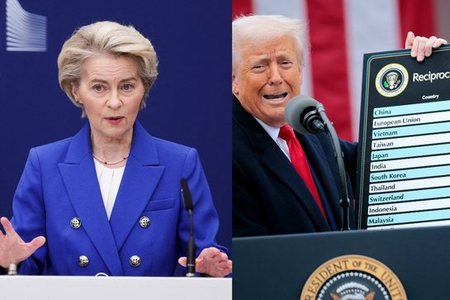
From an economic perspective, tariffs function as a tax on imports. They increase budget revenues in the short term, but at the same time increase costs for consumers and businesses that use imported inputs. If trading partners respond with reciprocal measures, the impact on the trade balance and economic growth becomes more complex.
The strategy of financing tax cuts through tariffs shifts the tax burden from direct taxpayers to consumers and the supply chain. The net effect on the economy depends on the elasticity of import demand, the exchange rate response, and the dynamics of private investment.
The Supreme Court's decision limits the scope for using tariffs as an alternative fiscal instrument. In the absence of planned revenues, the administration faces classic budget policy choices: increasing the deficit, revising tax cuts, or new revenue measures.





Lini një Përgjigje