


 Shkruar nga Pamfleti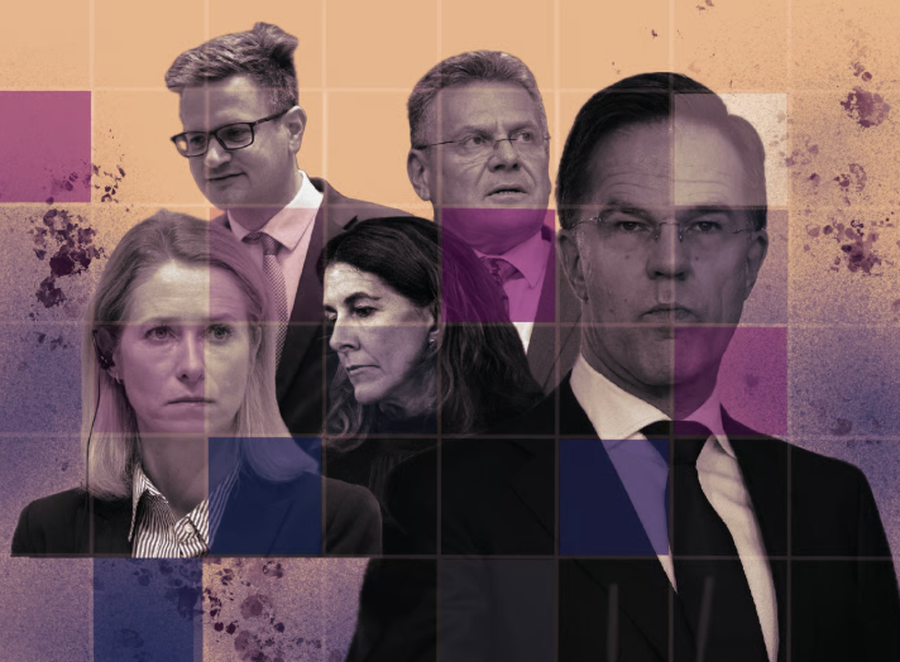
All these people are united by a belief, to some extent, in the EU project. But working in Brussels can turn into a nightmare (despite the visibility, high salary and other benefits)...
For some politicians, Brussels is where they are sent when they are problematic or no longer needed in their country.
For others, there is the opportunity to take on a prestigious position that goes beyond rank or experience.
At the same time, bureaucrats with little or no media experience appear in front of the cameras every weekday as spokespersons for the European Commission, while career diplomats find themselves handling dossiers with major domestic political consequences.
All of these people share a certain amount of faith in the EU project. But working in Brussels can be a nightmare (despite the visibility, high salary, and other benefits).
So what are the most difficult jobs in Brussels and why?
Mark Rutte, NATO Secretary General
Officials in the Netherlands and NATO may have nicknamed him "Teflon" because nothing sticks to him, but with Donald Trump in the White House, Rutte's job is certainly more difficult in Brussels.
His role currently seems less about steering the military alliance and more about trying to stop one man: Trump, from dismantling the whole thing. And the former Dutch prime minister is having some success in his role as Trump's mouthpiece. Not long after he used his Davos speech to double down on Greenland, the US president met with Rutte and surprisingly announced that they had "formed the framework of a future agreement."
However, it puts Rutte in a difficult position. Last March, when Rutte and Trump met in the Oval Office, the US president said he wanted to annex Greenland, to which the Dutchman could only reply, “I don’t want to involve NATO in this,” which angered the Danes. No provision in the alliance’s founding treaty of 1949 forbids one NATO ally from attacking another, and Danish Prime Minister Mette Frederiksen and others have warned that an invasion would mean the end of the alliance. Rutte said earlier this month that NATO “is not at all” in crisis.
Rutte also raised eyebrows when he called Trump "father," a comment he tried to backtrack on.
Rutte’s office did not respond to a request for comment for this article. “I fully understand how difficult his job is [to preserve NATO unity], but it is a great pain to see,” said a senior EU diplomat, who was granted anonymity to speak freely, as were others in this article.
“Të ecësh mbi një litar të tendosur në një erë të kundërt është më e lehtë se puna e Sekretarit të Përgjithshëm të NATO-s, Mark Rutte”, tha Nicolás Pascual de la Parte, ish-ambasador spanjoll në NATO dhe tani anëtar i Komitetit të Sigurisë dhe Mbrojtjes të Parlamentit Evropian për Partinë Popullore Evropiane.
Paula Pinho, zëdhënësja kryesore e Komisionit
Në epokën e von der Leyen, puna e zëdhënëses kryesore është bërë një punë shumë e vështirë. Zyrtarët thonë se presidentja e Komisionit punon në një bunker (metaforik), me vetëm kreun e saj të kabinetit, Björn Seibert, në dijeni të situatës, ndërsa të gjithë të tjerët ose lihen në errësirë ose informohen vetëm në bazë të nevojës për të ditur, shumë ndryshe nga stili më kolegjial i paraardhësit të saj, Jean-Claude Juncker.
Kjo e bën punën e zyrtares portugeze Paula Pinho, e emëruar zëdhënëse kryesore e Komisionit në nëntor 2024 dhe juriste me profesion, një nga më të vështirat në Bruksel, pasi ajo duhet të përballet me pyetje nga gazetarët para kamerave çdo ditë pune. Por shpesh Pinho, një folëse gjermanishteje e afërt me Michael Hager, e konsideruar një aleate e Seibert dhe e cila është kreu i kabinetit për Valdis Dombrovskis, nuk mund të përgjigjet ose sepse nuk i lejohet ose sepse nuk i është dhënë përgjigja, thonë zyrtarët dhe diplomatët.
Kjo e ka bërë Komisionin më të mbyllur se kurrë. Janarin e kaluar, kur Ursula von der Leyen u shtrua në spital me pneumoni, ishte agjencia gjermane e lajmeve DPA që e dha lajmin. Muajin pasardhës, edhe Vatikani, i njohur për mungesën e transparencës, nuk e fshehu faktin se Papa Françesku ishte dërguar në spital .
Kur paraardhësi i Pinhos, Eric Mamer, u largua, pati shaka midis zyrtarëve rreth asaj se sa shishe shampanje hapi ai për të festuar që më në fund ishte i lirë. Të paktën sakrifica e Mamer u shpërblye: kur u largua, ai mori pozicionin e drejtorit të përgjithshëm në departamentin e mjedisit.
Pinho tha: “jam e nderuar që kam atë që është ndër punët unike në Bruksel. Sigurisht që nuk matet në rehati apo lehtësi të detyrave, por në përgjegjësi dhe maturi.”
Ajo tha se një pjesë e punës “është të dallojë atë që publiku duhet të dijë dhe atë që disa media thjesht do të donin ta dinin.”
Kaja Kallas, shefja e politikës së jashtme të BE-së
Shërbimi Evropian i Veprimit të Jashtëm, organi diplomatik i bllokut, u krijua në vitin 2010 dhe puna e diplomatit më të lartë që e drejton atë ka qenë gjithmonë e vështirë, pasi vendet anëtare, veçanërisht ato të mëdhatë, duan ta mbajnë politikën e jashtme në duart e tyre.
Marrëdhëniet midis von der Leyen dhe ish-mbajtësit të rolit, Josep Borrell, ishin shumë të këqija, sipas zyrtarëve. Është edhe më keq me Kallas.
Zona e Mesdheut i është marrë Kallasit, pasi Komisioni vitin e kaluar krijoi Drejtorinë e Përgjithshme për Lindjen e Mesme, Afrikën e Veriut dhe Gjirin ( DG MENA). Në të njëjtën kohë, Komisioni ka punuar në mënyrë aktive mbi planet për të zvogëluar madhësinë e EEAS-it.
In an attempt to fight back, Kallas tried to appoint a powerful deputy secretary-general in the form of Martin Selmayr, Juncker's fearsome former chief of staff, but this move was blocked by von der Leyen's office.
Kallas “complains privately that she [von der Leyen] is a dictator, but there is little or nothing she can do about it.” Kallas also comes from tiny Estonia, and her party, the Liberals, is small, making her position even weaker than that of Borrell (a socialist from Spain). Kallas’ office did not respond to a request for comment.
Balint Odor, Hungarian ambassador
Hungarian Prime Minister Viktor Orban likes to play the bad guy with his pro-Russian and pro-Trump lines, which makes the job of the country's ambassador to the EU difficult. The current ambassador, Balint Odor, is seen as close to Orban's Fidesz party, unlike his predecessor, Tibor Stelbaczky, who now works for the EU diplomatic corps.
When Hungarian ambassadors try to soften some of the hard lines coming from the government, it creates doubts in Budapest about their loyalty, a Hungarian diplomat said. One official described the Hungarian ambassador as "the elephant in the room," because of the country's close ties to the Kremlin.
During Hungary’s presidency of the Council of the EU last year, some diplomats raised concerns about sharing certain information with Hungarians because of Orban’s closeness to Russia (Hungarian Foreign Minister Péter Szijjártó holds regular meetings with his Russian counterpart Sergey Lavrov, who is under EU sanctions). Odor told Politico that “it is a privilege to serve my country and represent Hungarian interests.”
Maros Sefcovich, Commissioner for Trade
When a file is difficult to crack, send an invitation to the Moscow-educated Slovak commissioner nicknamed Mr. Fix It.
The former member of the Slovak Communist Party has been a commissioner since October 2009, making him the longest-serving current commissioner, serving under José Manuel Barroso, as well as under Juncker and von der Leyen.
Sefcovic has been called upon to oversee the EU’s response to extraordinary (and complex) challenges like Brexit and the European Green Deal, and now, in the Trump era, he’s in charge of trade. But he does more than that. For example, when von der Leyen didn’t want to go to the European Parliament in Strasbourg for a debate on whether to dismiss her (and therefore him) from office, she sent Sefcovic instead.
Sefcovic's office did not respond to a request for comment. /Adapted from Politico /



Lini një Përgjigje