


 Shkruar nga Pamfleti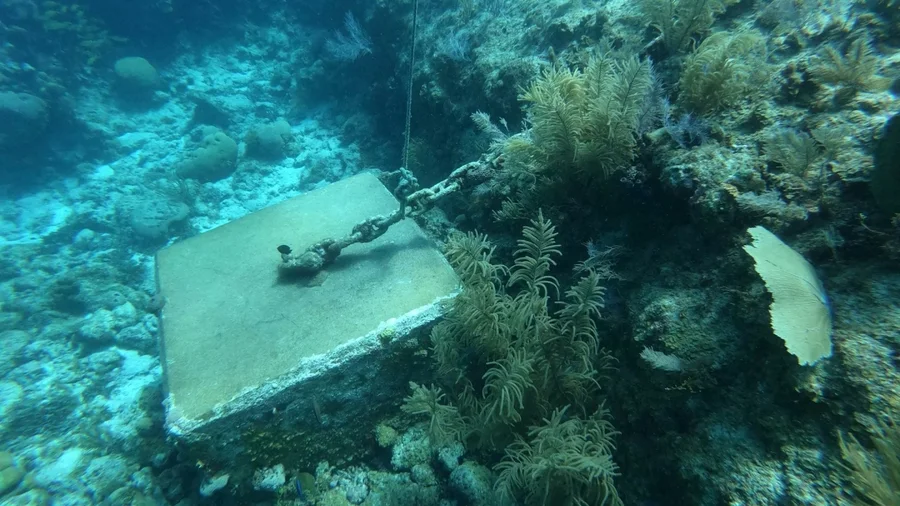
Mysterious structures found on the seabed near Cuba. Is it a 50,000-year-old city or a work of nature? The unexplained problem remains unsolved since 2001.
It's been more than 20 years since a team of Canadian researchers announced something that could change what we know about human civilization.
In 2001, while exploring the seabed off the west coast of Cuba, the expedition's sonar equipment recorded symmetrical structures that strongly resembled urban planning, something that could point to an ancient submerged city.
The team from Advanced Digital Communications didn't stop there. They sent an underwater robot to investigate the site. The result? It recorded large, smooth stones that looked like processed granite jutting out from the seabed, 650 meters below the surface.
If the construction was man-made, it dates back at least 6,000 years, which is 1,500 years older than the pyramids of Egypt. What does this mean? That humans may have been much more advanced than we believe at the time.
Despite the interest, subsequent expeditions to the area were frozen. No significant research has been conducted since 2005, leaving questions unanswered.
Manuel Iturralde from the Cuban Museum of Natural History said that these are “particularly strange structures that cannot be explained geologically.” However, he added something important: nature can create incredible shapes that deceive the human eye.
Another element that surprises scientists is the depth at which the structures were found: 650 meters below the surface.
According to geological estimates, if they were truly built on the ground, then they would have to be 50,000 years old - which completely upends the chronology of civilization as we know it.
As expected, the internet was filled with theories about the Lost Atlantis, aliens, or forgotten super-civilizations. Although there is no evidence, the fact that the topic did not move forward and was "lost" from the news adds fuel to the fire of conspiracy theories.








Lini një Përgjigje