


 Shkruar nga Pamfleti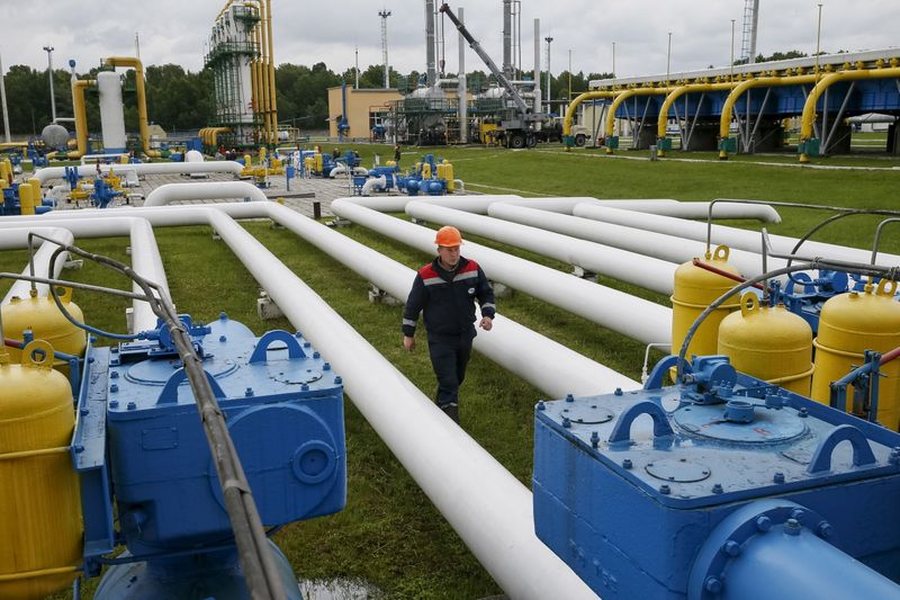
Serbian authorities neutralize a threat to critical infrastructure, as the case takes on regional and political dimensions
The discovery of explosives near a critical energy infrastructure connecting Serbia and Hungary brings into focus issues of security, political stability and the management of vital networks at a time of heightened regional sensitivity. The incident, recorded in the Kanjiža area in northern Serbia, is directly related to the natural gas pipeline to Hungary, a key node in the energy architecture of Central Europe.
According to Serbian President Aleksandar Vučić, military and police units identified powerful explosives near the gas pipeline and associated compression infrastructure. He stated that two backpacks and two large packages of explosives equipped with detonators were found, while other traces discovered during the operation remain under investigation. The response of the Serbian authorities was immediate, involving the army, police, military counterintelligence services and the Military Security Agency, with the aim of protecting the critical gas infrastructure and preventing a possible act of sabotage.
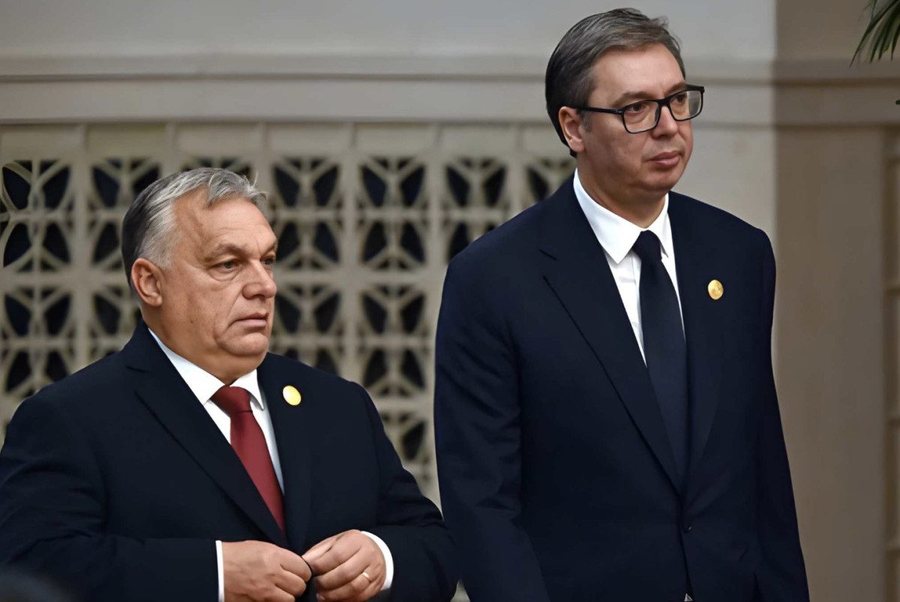
The case quickly took on a bilateral dimension. Aleksandar Vučić held a telephone conversation with Hungarian Prime Minister Viktor Orbán, informing him of the initial findings of the investigation and the possible consequences in the event of an attack on the infrastructure. The reference to a possible interruption of the gas flow, which would affect both northern Serbia and Hungary, emphasizes the scale of the risk and the immediate cross-border importance of the incident.
Orban, who is an ally of Vučić and faces elections on April 12, said in a Facebook post that “Serbian authorities have found destructive explosives and the necessary equipment for activation in the critical gas infrastructure connecting Serbia and Hungary. An investigation is underway. I have called an extraordinary defense council this afternoon.”
The operational response showed from the outset that the authorities treated the case as a high-priority security issue. Several roads in the wider Kanjiža area were blocked, while an increased presence of military and police forces, along with helicopter units, was reported. The scale of the operation suggests that Belgrade assessed the situation as a serious threat to critical infrastructure.
Megjithatë, rëndësia e incidentit shkon përtej nivelit operacional të menjëhershëm. Gazsjellësi që kalon nëpër Serbi drejt Hungarisë është pjesë e të ashtuquajturit korridor ballkanik të gazit, i lidhur me TurkStream, dhe luan një rol kyç në furnizimin energjetik të Hungarisë. Në një mjedis evropian ku siguria energjetike mbetet e brishtë, çdo kërcënim ndaj kësaj infrastrukture mbart peshë të shtuar politike dhe gjeoekonomike.
Në këtë kontekst, rasti nuk mund të shkëputet plotësisht nga koniunktura politike në Hungari dhe Serbi, pa nënkuptuar se është vendosur ndonjë lidhje e drejtpërdrejtë politike. Në Hungari, ku çështja e energjisë mbetet një element i përhershëm i agjendës qeverisëse të Viktor Orbán, siguria e furnizimit me gaz natyror lidhet drejtpërdrejt si me imazhin e kompetencës qeveritare, ashtu edhe me aftësinë për të mbështetur një narrativë bindëse të sovranitetit kombëtar dhe stabilitetit energjetik. Në këtë kuptim, edhe një kërcënim i parandaluar mund të ketë peshë politike në arenën e brendshme, veçanërisht duke qenë se siguria energjetike mbetet një çështje e ndjeshme përpara proceseve të ardhshme zgjedhore.
Kryeministri Orban kishte urdhëruar një rritje të masave të sigurisë rreth qendrave të energjisë në shkurt, duke përmendur shqetësimet se paqëndrueshmëritë rajonale mund të çonin në ndërprerje të synuara të sistemeve energjetike të Hungarisë.
Investitorët pranojnë se kjo përpjekje për sabotim shton një shtresë të re "rreziku territorial" në tregjet evropiane të energjisë. Me Ngushticën e Hormuzit aktualisht të bllokuar dhe zinxhirët globalë të furnizimit tashmë në një "këmishë force", çdo ndërprerje e tubacioneve tokësore evropiane mund të shkaktojë llojin e ndryshimeve ekonomike "jolineare" të modeluara së fundmi nga analistët për Mbretërinë e Bashkuar dhe Eurozonën.
Ngjarja nënvizon një trend në rritje ku infrastruktura energjetike shihet gjithnjë e më shumë si një objektiv kryesor për ndërhyrje asimetrike gjatë periudhave të tensionit të lartë global.
Në Serbi, nga ana tjetër, incidenti përshtatet në një mjedis politik tashmë kërkues, ku kapaciteti shtetëror, siguria dhe kontrolli mbi infrastrukturën janë elemente qendrore të imazhit publik të pushtetit. Ndërhyrja e menjëhershme e Aleksandar Vuçiç dhe paraqitja e operacionit si një përpjekje e suksesshme parandaluese pa viktima përforcojnë mesazhin se aparati shtetëror mbetet i aftë për të mbrojtur interesat jetike kombëtare. Në të njëjtën kohë, rasti mund të shërbejë edhe si kujtesë për cenueshmërinë e Serbisë në një klimë presioni rajonal dhe ndërkombëtar.
The Serbian president’s reference to “broader geopolitical games” should be read precisely in this context. It does not constitute evidence of a concrete connection and is not sufficient to support broader conclusions. However, it shows that Belgrade is choosing to place the incident within a broader narrative of hybrid threats and pressure on critical infrastructure, something that reflects broader European concerns about the security of energy networks.
Regardless of who was behind the explosives and what the motive may have been, the incident highlighted how vulnerable the region’s energy arteries remain. The fact that the threat was neutralized without casualties limited the immediate consequences, but does not diminish the seriousness of the episode. On the contrary, it highlights the need for stronger oversight, faster cross-border coordination, and more sustainable protection mechanisms for infrastructure where energy security is intertwined with political stability. /Adapted Pamphlet /





Besoj e dinì sse n⁹e me drt 12janë zgjedhjet dhe se KGB do ti bënte një psëudoàtentat Urbanit