


 Shkruar nga Pamfleti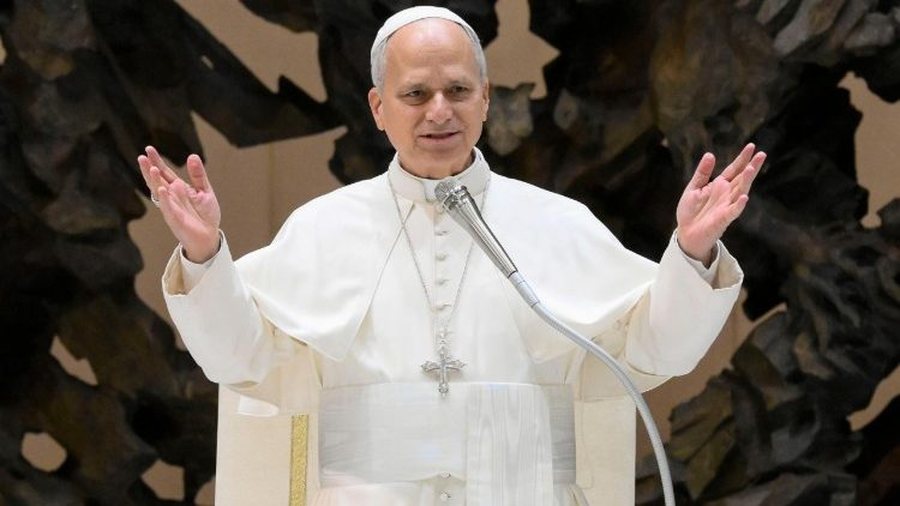
The strongest signal comes from the Vatican: the global power is losing ethical authority in the face of the clash with Iran.
In times of war, voices calling for peace often tend to be drowned out by the noise of guns, state propaganda, and the brute logic of force. But there are moments when a moral statement manages to penetrate deeper than a military offensive, precisely because it speaks not in the language of fear, but in the language of conscience.
It is at this level that the strong stance of the head of the Catholic Church in the face of the escalation of the conflict between the United States and Iran must be read.
The Vatican's message is not a routine diplomatic reaction, nor a neutral formula for international consumption. It is a direct moral intervention in one of the most dangerous crises of the moment and, in essence, an open rejection of the idea that war can be presented as a legitimate instrument of order.
The strength of this position lies in the fact that the Vatican is not simply speaking out against violence in the abstract. It is challenging the very way in which the great powers are constructing international politics today: as a system where authority is demonstrated through preemptive strikes, where security is sought through escalation, and where order is claimed to be maintained through permanent threat.
It is here that the Pope's position takes on particular weight. It strips the conflict of any moral aura and strips it of the justifications that are usually used to dress up war in beautiful language: stability, security, responsibility, the protection of values.
Essentially, the message coming from the Holy See is clear: there can be no ethical legitimacy where deliberate destruction, regional destabilization, and global fear are produced.
This makes the position of the head of the Catholic Church much more than a religious appeal. It is a critical act of the current international order, an order that is showing more and more every day that it is based not on principles but on the balance of power. And when a moral authority of global weight articulates this criticism at such a heated moment, the impact is not limited to believers. It permeates the political, diplomatic and strategic debate itself. For the first time in a long time, the question is not only whether a superpower has the capacity to strike, but whether it can morally defend this choice before the world.
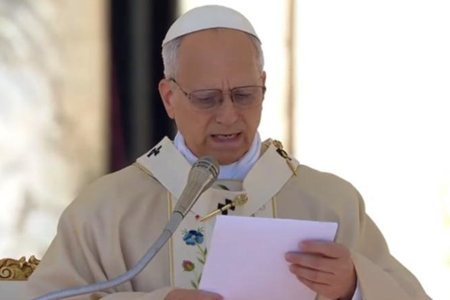
Ka një element edhe më delikat që e bën këtë zhvillim politikisht të ndjeshëm: fakti që Papa Leo XIV vjen nga vetë Shtetet e Bashkuara. Kjo rrethanë e ngarkon qëndrimin e tij me simbolikë shtesë. Ai nuk mund të lexohet lehtësisht si një figurë e largët që kritikon Amerikën nga jashtë, as si një zë i zakonshëm antiamerikan. Përkundrazi, pesha e deklarimeve të tij rritet pikërisht sepse vijnë nga një figurë që, në planin kulturor dhe historik, lidhet me të njëjtën hapësirë nga e cila vjen edhe pushteti që ai po sfidon moralisht. Në këtë kuptim, mesazhi i tij është më i vështirë për t’u shpërfillur. Ai nuk tingëllon si sulm ideologjik, por si një qortim etik që vjen nga brenda vetë botës perëndimore.
Në një klimë globale ku pothuaj çdo deklaratë lexohet sipas interesit gjeopolitik, zëri i Vatikanit përpiqet të rikthejë në qendër një pyetje që diplomacia moderne e shmang me kujdes: a ka kufij moralë pushteti?
Kjo pyetje është shqetësuese për çdo fuqi të madhe, sepse e detyron të japë llogari jo vetëm për objektivat e saj, por edhe për mjetet që përdor.
Në rastin e përplasjes SHBA-Iran, kjo bëhet edhe më e rëndë, sepse rajoni mbart tashmë trauma të shumta, ekuilibra të brishtë dhe një histori të gjatë ndërhyrjesh që kanë prodhuar më shumë paqëndrueshmëri sesa rend. Çdo përshkallëzim i ri nuk është më thjesht operacion ushtarak; është rikthim i pasigurisë në një hapësirë që ka paguar mjaftueshëm koston e politikave të forcës.
Në këtë kuadër, qëndrimi i fortë i kreut të Kishës Katolike nuk duhet parë si naivitet pacifist. Nuk kemi të bëjmë me një mohim të realitetit të ashpër ndërkombëtar, por me një përpjekje për t’i vendosur atij një kufi. Pikërisht sepse bota po bëhet më cinike, ky lloj pozicioni bëhet më i rëndësishëm. Vatikani nuk ka flotë ushtarake, nuk vendos embargo dhe nuk dikton koalicione. Por ai ka diçka që shumë aktorë shtetërorë e kanë humbur ose e përdorin gjithnjë e më pak: autoritetin për të thënë se jo çdo gjë që është e mundur është edhe e pranueshme. Në një epokë ku legaliteti shpesh shtrembërohet nga interesi dhe ku morali relativizohet nga strategjia, kjo lloj ndërhyrjeje ka peshë të veçantë.
Është pikërisht kjo që e shqetëson edhe më shumë politikën e forcës. Sepse një ofensivë ushtarake mund të menaxhojë terrene, objektiva apo infrastrukturë, por e ka shumë më të vështirë të menaxhojë perceptimin moral global. Kur Vatikani ngre zërin, lufta del nga korniza e justifikimeve teknike dhe hyn në fushën e gjykimit etik. Aty nuk mjaftojnë më argumentet për siguri kombëtare, për frenim apo për interes strategjik. Aty pyetja bëhet më e thjeshtë dhe më e rrezikshme: kush e mban përgjegjësinë për pasojat njerëzore, për destabilizimin e rajonit dhe për precedentët që krijohen?
Ultimately, the power of the Pope's message does not lie in his ability to immediately stop the war. It lies in the fact that he is challenging its normalization. At a time when many centers of power are trying to present escalation as an inevitable consequence of realpolitik, the Vatican is reminding us that nothing is inevitable when there is the political choice not to slide towards catastrophe. This is also the essence of the strong stance of the head of the Catholic Church: not simply opposition to a particular war, but rejection of a world where force seeks to replace conscience. / Pamphlet


Ik ore pirdhu. se ju mashtruesit e feve qe te gjitha kane lindur ne Azi e keni bere e beni boten kazan plehrash. Sa te pafytyre na luajne edhe engjellin keta mashtrues qe u del perdite boja si paedofile e maskarenj universale.
Te BIBLA, LUKE 14:26 ''Nëse ndokush vjen tek unë dhe nuk urren babanë e vet dhe nënën e vet, gruan dhe fëmijët, vëllezërit dhe motrat, madje edhe jetën e vet, nuk mund të jetë dishepulli im.