


 Shkruar nga Pamfleti
Corruption cases and growing discontent are challenging Fidesz's dominance in rural Hungary
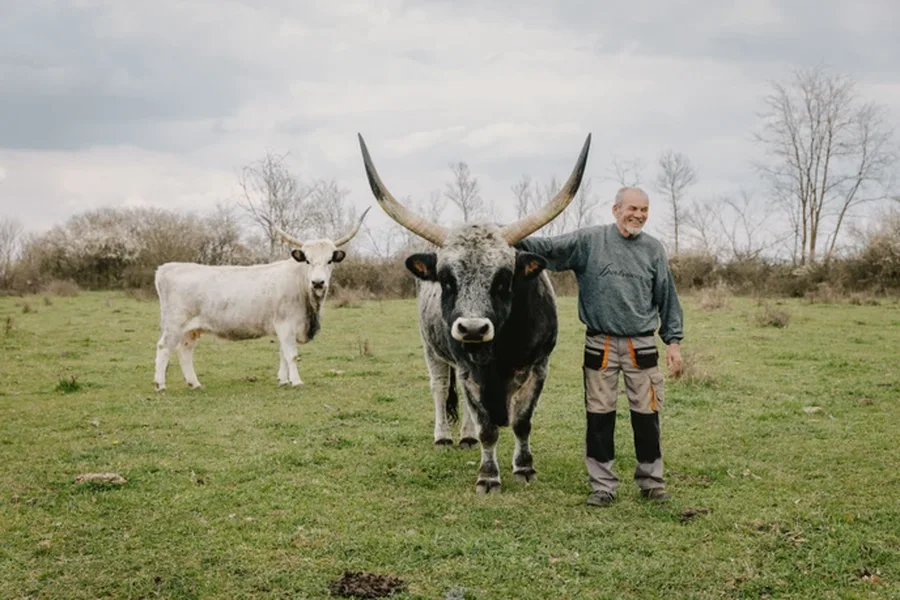
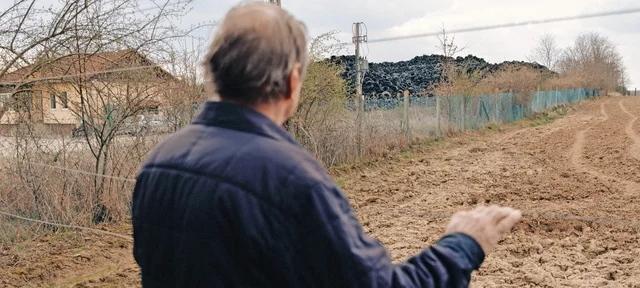
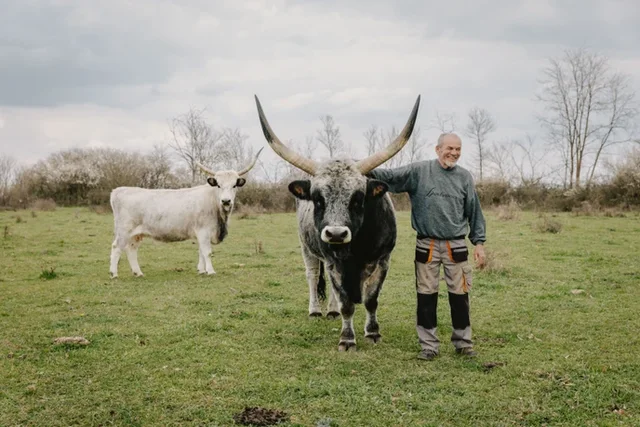
Anyone who wants to understand what is going on in Hungary just before the parliamentary elections should go to the provinces. For example, to Nagykölked, on the western edge of the country, where nature is green and rich. There, Sándor Mester grazes his cattle on a small piece of land. They are proud, white-gray animals that raise their long, curved horns towards the sky.
But behind this idyllic landscape, a dark silhouette appears: a giant pile of used tires that rises above the last tree line. The tires are piled up to four stories high. There are said to be about five million of them, brought in by trucks in the open. For years, almost nothing has happened, as the person considered responsible for this illegal dump has strong ties to the ruling party, Fidesz.
Such cases are numerous in Hungary. From the luxury villas of Orbán's immediate surroundings to the scandal at the battery factory in the small town of Göd, where workers were exposed to toxic substances for a long time without any consequences.
In 16 years of almost unlimited power, Prime Minister Viktor Orbán has profoundly changed the country and created a new ruling elite, which in some cases openly benefits. One of the main mechanisms of the system is control over the criminal prosecution bodies. Whoever remains loyal to the government does not fear the consequences.
Mester, the cattleman, has had many jobs in his life. He worked in construction in Austria and as a truck driver across Europe, until he bought a small retirement farm in Nagykölked, a village of a few dozen old houses with large gardens.
He used to be a firefighter. He recalls a time when a warehouse of about a thousand tires caught fire: “It took days to put it out,” he says. A few years ago, he lay awake at night wondering what would happen if millions of tires near his livestock were to burn. The black smoke would be visible for hundreds of kilometers.
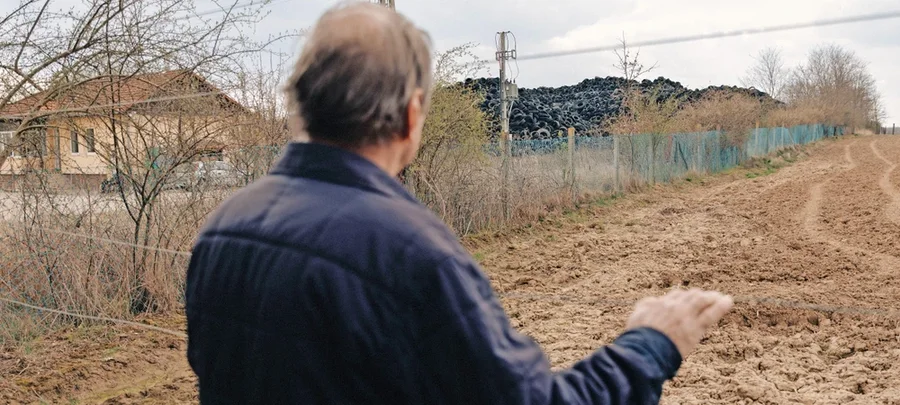
Gábor Vamós and his wife Eva had long been trying to stop the expansion of the deposit. They restored their grandparents’ house and planned to enjoy their retirement there. When Orbán returned to power in 2010 with a large majority, Vamós, like Mester, voted for Fidesz. Only Eva was skeptical. Then the enthusiasm faded. “There was no one who could bring about change,” says Vamós. For this reason, they stopped voting.
Then, more and more trucks with used tires started arriving in the village. “It started to get serious during the pandemic,” says Vamós. They turned to every possible institution, even Budapest, but to no avail.
Territori i depozitës i përket një centrali ngrohjeje të qarkut. Dikur aty kishte një fabrikë të ligjshme për përpunimin e gomës, por ajo është mbyllur prej kohësh. Banorët zbuluan se kamionët vinin nga Austria, Sllovenia dhe Kroacia, ku pagesa për asgjësimin e gomave është e lartë.
Dërgesat shkonin te Ádám Benkő, ndërsa vëllai i tij Tamás ishte sekretar shteti në zyrën e kryeministrit. Sipas banorëve, familja e tij lidhet edhe me depo të tjera të paligjshme.
Banorët iu drejtuan policisë lokale, por sipas tyre nuk u ndërmor asnjë hetim. Një polic madje telefonoi Benkő gjatë procesit. Edhe pas inspektimeve nga autoritetet, nuk pati zhvillime. Një çështje në prokurori ka mbetur pezull për katër vite, pavarësisht provave.
Mester tregon se një herë ndoqi një kamion, por shoferi u largua me shpejtësi dhe një automjet tjetër tentoi ta nxirrte nga rruga. Më pas, banorët bllokuan hyrjen e depozitës dhe salduan portën. Pas kësaj, dërgesat u zhvendosën në depo të tjera, por gomat mbetën.
Ndërkohë, situata politike në fshat ka nisur të ndryshojë, kryesisht për shkak të Péter Magyar, lider i opozitës. “Që kur kemi sërish opozitë, ka lëvizje kudo”, thotë Mester.
Magyar ka shmangur debatet ideologjike dhe është përqendruar te pakënaqësia e përditshme ndaj korrupsionit dhe keqmenaxhimit. Ai publikon vazhdimisht foto dhe video nga e gjithë Hungaria, duke përfshirë spitale, shkolla dhe raste si depozita në Nagykölked.
Ai ka vizituar zonën disa herë dhe ka publikuar pamje ajrore që tregojnë përmasat e depozitës. Pas kësaj, edhe media kombëtare nisi të raportojë për rastin, i cili u bë simbol i problemeve në vend.
Qeveria reagoi duke miratuar një ligj të ri që parashikon pastrimin e depozitës me fonde publike. Deputeti lokal i Fidesz premtoi se transporti i gomave do të nisë së shpejti. Por Vamós pyet: “Pse duhet të paguajnë taksapaguesit për pasurimin e një familjeje të lidhur me Fidesz?”
Megjithatë, dominimi i Fidesz mbetet i fortë në rajone si Vas. Sistemi zgjedhor favorizon zonat rurale dhe i jep avantazh partisë në pushtet.
Magyar po zhvillon një fushatë intensive në të gjithë vendin, shpesh me disa takime në ditë. Ai kryeson në sondazhe, por e di se fitorja varet nga provinca.
Raste si depozita e gomave janë të rëndësishme për opozitën, pasi krijojnë lidhje me shqetësimet lokale. Në qytetin e afërt Körmend, shumë banorë janë të informuar për këtë çështje. Disa votues tradicionalë të Orbánit tregojnë se në familjet e tyre ka interes për partinë Tisza.
Megjithatë, shumë vazhdojnë të mbështesin Orbánin, duke theksuar mbrojtjen e familjes, traditës dhe sigurisë. Për korrupsionin, shpesh thuhet se ekziston edhe në vende të tjera.
Në fshatra të vegjël, opozita përballet me vështirësi, pasi Fidesz kontrollon pjesërisht median lokale. Ka edhe akuza për presion ndaj grupeve të caktuara për të votuar për partinë në pushtet.
Even in Nagykölked, opinions are divided. Mester actively supports Magyar, while Vamós remains cautious. He believes that the issue should not be politicized, as this could harm the community.
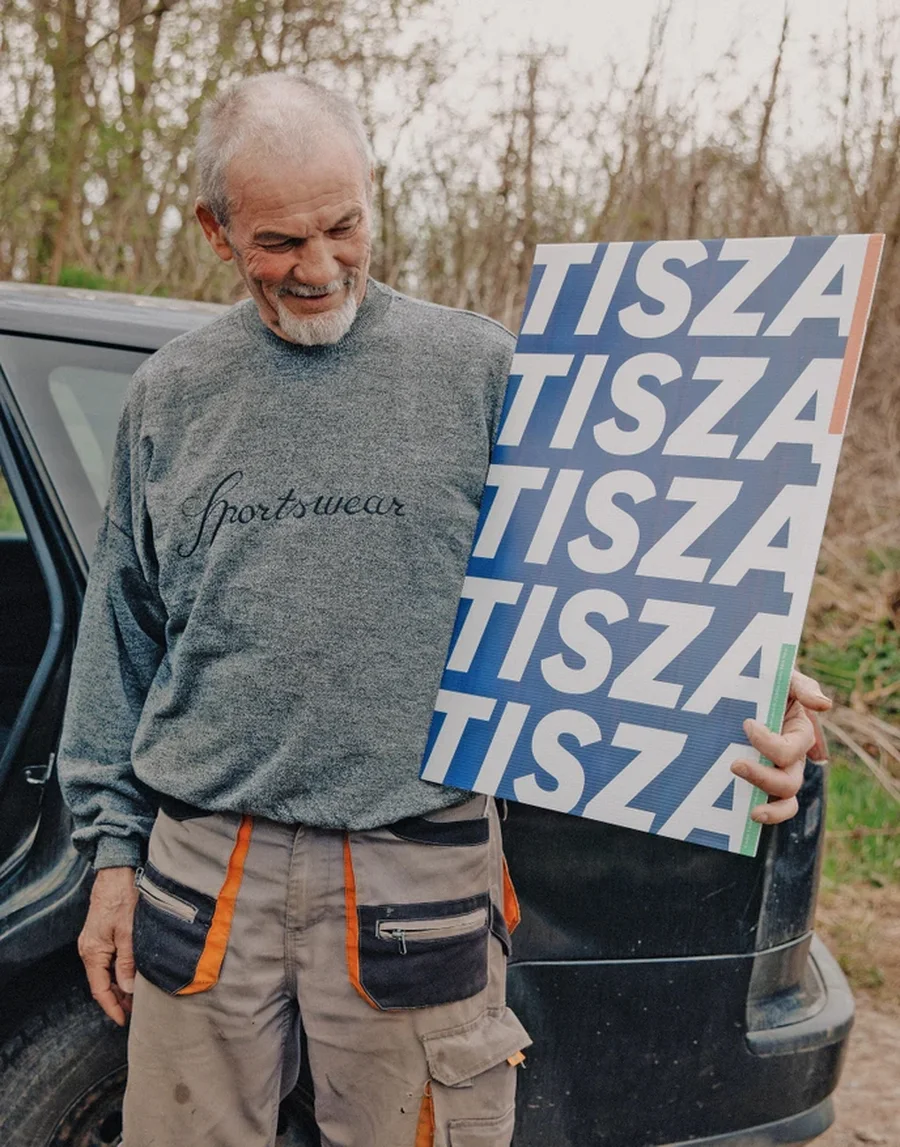
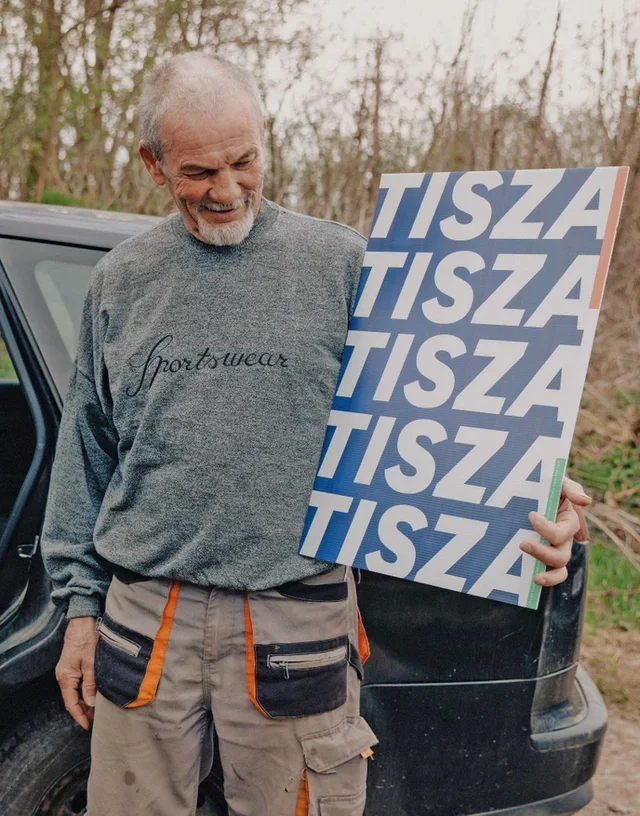
Initially, many residents supported the protest against the landfill, but then some asked not to make too much noise, so as not to damage the village's reputation. When a leaflet included the logo of the Tisza party, some residents distanced themselves, saying they did not want to get involved in politics.
This development shows the clash between civic discontent and fear of consequences in a system where power remains concentrated. /Adapted from FAZ /




Lini një Përgjigje