


 Shkruar nga Pamfleti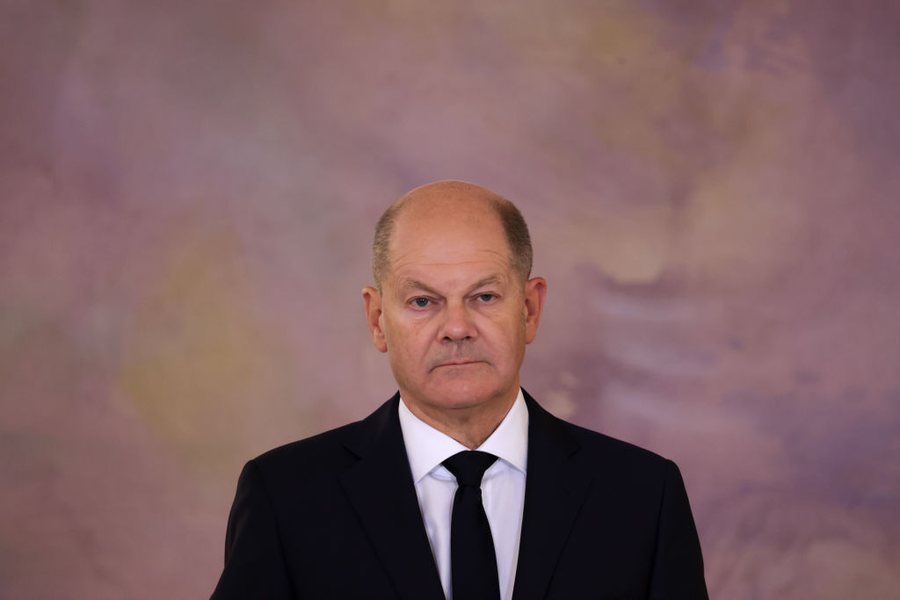
Since the 1970s, all German chancellors have been re-elected to office at least once. Olaf Scholz may be the first to step down after a single term.
The tripartite coalition between his Social Democrats (SPD), the Greens and the conservative-liberal FDP,
broke down earlier this month due to disagreements over economic policies. Early parliamentary elections will be held on February 23, 2025. The fate of the SPD must
be a cautionary tale for Labor in Britain but also for all other centre-left parties in Europe. Scholz's victory in 2021 had many parallels with Keir Starmer's electoral triumph.
After Angela Merkel's 16-year reign, Germans wanted change. The SPD campaigned
with the promise of increasing public investments. Most of them went to renewable energy. But very soon, strict regulations for zero emissions of polluting gases into the atmosphere began to weigh on companies and consumers.
The first major reaction came with the home heating bill, which forced citizens to replace gas heaters with more expensive devices. This led to a fall in housing prices in some parts of the country. On the other hand, Scholz's coalition was one of the biggest supporters of the EU's Green Deal, with its mandatory CO2 reduction targets for car companies.
Also a ban until 2035 on the sale of new gas cars, a nature restoration law forcing farmers to set aside part of the land, and most recently a law requiring businesses to prove that products that they sell have nothing to do with the deforested lands.
Together with legislation on corporate social responsibility, this has led to a huge increase in costs and bureaucracy for companies. The failure of the forces that support this approach in the elections is the first popular revolt in Europe. But it won't be the last.
Continued misjudgments on energy policy have played a major role in the downfall of the last German government. During the first two decades of this century, Germany made itself dependent on Russian gas as it began to abandon nuclear power, a technology in which German scientists excelled but which the public distrusted.
The loss of Russian gas and nuclear power has left the German economy powerless in the age of Artificial Intelligence. Just last year, Scholz predicted that investment in the green transition would once again lead to the high economic growth rates Germany experienced during the boom of the 1950s and 1960s.
Ata besuan vërtet në përrallën e energjisë së gjelbër të lirë të pakufishme; por realiteti ekonomik ishte ndryshe. Kur Ministri i Financave dhe njëherazi kryetar i FDP-së, Christian Lindner, kërkoi një ndryshim të fortë të politikës ekonomike në fillim të kësaj vjeshte, koalicioni ishte në prag të humnerës.
Për të parandaluar dorëheqjen e Lindner, Scholz vendosi ta shkarkonte atë dhe t’i jepte fund vetë koalicionit qeverisës. Por koha që zgjodhi ishte e gabuar. Ndodhi pikërisht në ditën kur Donald Trump u shpall fitues i zgjedhjeve presidenciale në SHBA. Një moment jo shumë ngazëllues, për një krizë politike në vendin më të madh të BE-së. Pastaj kriza u thellua.
Gazetat gjermane, zhvilluan një fushatë të pamëshirshme për ta nxitur SPD-në të zëvendësonte Scholz-in me Boris Pistorius, Ministrin e Mbrojtjes shumë më popullor se i pari, si kandidatin e saj për kancelar në zgjedhjet e ardhshme. Ish-udhëheqësit e SPD-së debatuan midis tyre.
Disa pro Scholz, të tjerët me Pistorius. Por pikërisht në kohën kur u duk i mundshëm një puç kundër Scholz, Pistorius njoftoi se nuk do të kandidojë. Ky vendim lë në garë Scholz, një kandidat me një imazh të dëmtuar, në krye të një partie aspak popullore. Gjithsesi, asgjë nuk ka mbaruar.
Olaf Scholz ishte një kancelar i dobët, por unë do ta vlerësoja në disa aspekte. Si për shembull kujdesin e tij të madh në lidhje me dërgesat e armëve për Ukrainën, që vlerësohet nga shumë votues. Ai kundërshton kategorikisht dërgimin e raketave rrëshqitëse gjermane “Taurus”, i vetmi sistem raketor që do t’i kishte dhënë Ukrainës avantazh në luftë, gjithnjë nëse do të ishin çuar shumë më herët.
Nëse Trump do të arrijë të ndërmjetësojë një marrëveshje paqeje midis Rusisë dhe Ukrainës, unë pres që Scholz të pretendojë publikisht një pjesë të meritës. Inaugurimi në detyrë i Trump një muaj para zgjedhjeve në Gjermani, i shton më tej pikëpyetjet. Që Scholz të kthejë gjërat në favorin e tij, do të duhej një përpjekje më e madhe se ajo e Gerhard Schröder në vitin 2005. Gjithsesi Schröder i humbi zgjedhjet atë vit me një diferencë të ngushtë. Nga të gjitha rezultatet e mundshme, një rimëkëmbje e moderuar, është skenari më i mirë që mund të shpresojë realisht SPD. Por gjërat mund të lëvizin në drejtimin tjetër. SPD mund të përfundojë sërish si pjesë e qeverisë, këtë herë si partnerja e vogël në koalicion, ashtu siç ndodhi në kohën e Merkel.
Kjo është një histori e aritmetikës komplekse në një sistem zgjedhor proporcional. Edhe pse të gjitha partitë centriste të Gjermanisë, janë distancuar hapur kundër bashkëpunimit me partinë e ekstremit të djathtë, Alternativa për Gjermaninë, ato e kanë lënë veten në një pozicion ku mund të qeverisin vetëm në koalicion me njëra-tjetrën.
Based on current polls, CDU leader Friedrich Merz is most likely to become the next chancellor. But to govern, he will be forced to form a coalition, most likely with either the SPD or the Greens. I am not sure if the SPD is playing for victory. It seems to me that he is playing for second place.
And then what is expected to happen? A grand coalition would be no easier to manage than one that has just collapsed. Merz would face similar problems to Scholz. Meanwhile, the decline of German industry continues. Week after week, we hear reports
for closing factories in the car industry and its suppliers.
This is what happens when a country with an outdated technology embraces a zero-emission economy in the midst of a bitter geopolitical conflict. The German-British sociologist Ralf Dahrendorf called the 20th century the social democratic century. It did not end with the end of the Cold War. There was even an extra life in Germany, which is ending right now./ Adapted "Pamphlet", taken from "Newstatesman"


Lini një Përgjigje