


 Shkruar nga Pamfleti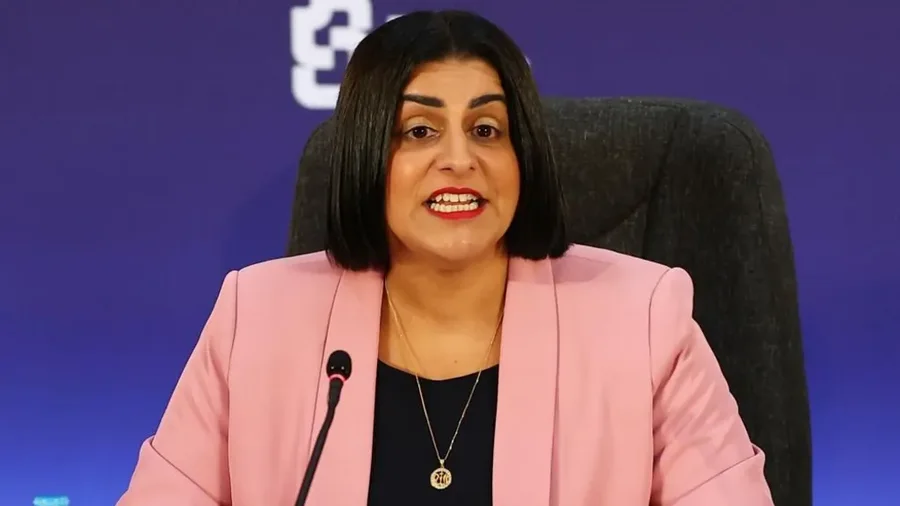
People who are granted asylum in the UK will have to wait 20 years before applying to settle permanently, under new plans expected to be unveiled on Monday by Home Secretary Shabana Mahmood.
The major change in asylum policy comes as the government seeks to reduce small boat crossings and asylum applications.
Under the plans, people who are granted asylum will only be allowed to stay in the UK temporarily, with their refugee status regularly reviewed and those whose countries are deemed safe told to return.
Currently, refugee status lasts for 5 years, after which people can apply for an indefinite residence permit.
Now the Home Secretary wants to shorten the initial period from five years to two and a half years, after which the refugee status will be reviewed regularly.
But it plans to significantly extend the time it will take to gain permanent residence in the UK from five years to 20.
Mahmood told the Sunday Times newspaper that the reforms were "essentially designed to say to people: don't come to this country as illegal migrants, don't get on the boat."
She added that "illegal migration is destroying our country", stressing that it was the government's duty to "unite our country".
"If we don't resolve this, I think our country will become much more divided," she told the newspaper.
The policy has been copied from Denmark, where a government led by the center-left Social Democrats has presided over one of the most difficult asylum and immigration systems in Europe.
In Denmark, refugees are given temporary residence permits, usually two years, and must in fact reapply for asylum when they expire.
And Mahmood's new approach will certainly face opposition from some Labour Party MPs.
Liberal Democrat home affairs spokesman Max Wilkinson said it was "right for the government to seek new ways to fix the broken asylum system created by the Conservatives".
He added that the Labour Party "should not delude itself into saying that these measures are an alternative to speeding up the processing of applications so that we can remove those who have no right to be here".
Enver Solomon, executive director at the Refugee Council, described the government's plans as "harsh and unnecessary" and said they "will not discourage people who have been persecuted, tortured or have seen family members killed in brutal wars."






Lini një Përgjigje