


 Shkruar nga Pamfleti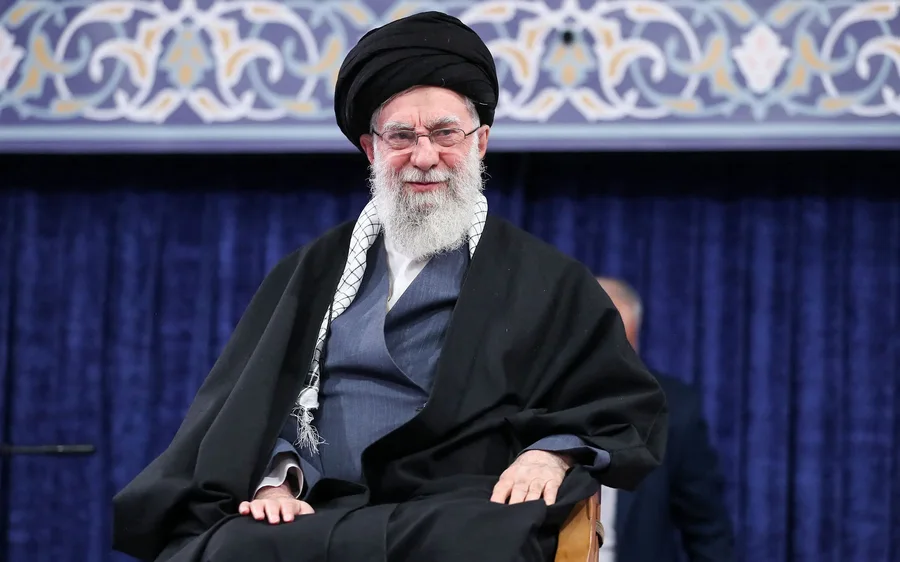
Supreme Leader Ayatollah Ali Khamenei, Iran's spiritual leader and the country's highest authority, who led the Islamic Republic for almost four decades, was killed in airstrikes by the United States and Israel on February 28, at the age of 86.
Praised by supporters as a wise leader and by critics as a dictator, Khamenei will be remembered as a monumental figure of the Islamic Revolution, who built his rise to the position of supreme leader on a reputation for piety and fierce commitment to the cause.
The use of force against his own people, the imprisonment of opposition figures within the leadership itself, and the great resistance to external influence – particularly that of the United States and Israel – shaped his legacy as a harsh and uncompromising figure, who led the country towards international isolation.
“History will show that Khamenei’s rule was deeply traumatic for the Iranian people, who saw their country isolated and weakened to the point where most saw emigration as their only hope,” said Alex Vatanka, director of the Iran Program at the Washington-based Middle East Institute.
The final years of Khamenei’s rule were marked by frequent nationwide protests against the leadership and a deadly state crackdown that left thousands of demonstrators dead.
Protests over the high cost of living in 2017, fuel prices in 2019, water shortages in 2021, and the death in custody of Mahsa Amin, a young woman suspected of violating the hijab law in 2022, reflected the rise in anti-regime sentiment in Iran.
But the deadliest protests against the Islamic Republic erupted in late December 2025 and continued into early January 2026.
The unrest was brutally suppressed, with human rights organizations confirming over 7,000 deaths, but warning that the real number is likely much higher. Some estimates put the number at four times the confirmed figure.
Khamenei never took responsibility for the growing discontent against his rule and, instead, blamed foreign actors for the protests against the leadership, claiming they aimed to weaken the Islamic Republic.
Throughout his life, Khamenei showed a unique ability to play both sides. Those who met him in his youth remember him as a tall, thin cleric who loved poetry and literature and was interested in talking to young people.
This stands in stark contrast to the later, bearded figure and anti-American approach that captured the world's attention.
Nën mbikëqyrjen e liderit dikur të hapur, represioni lulëzoi, rrethi i të brendshmëve në Teheran u ngushtua dhe Republika Islamike u bë gjithnjë e më e izoluar.
Për dekada me radhë, ai kishte fjalën e fundit për pothuajse të gjitha çështjet në Iran nga nëse gratë mund të ngisnin biçikleta në publik deri te qasja e marrëdhënieve të vendit me Shtetet e Bashkuara, të cilat ai i quante “Djalli i Madh”.
Khamenei përdori lirshëm pushtetin e tij mbi institucione kryesore sikurse gjyqësori, transmetuesi shtetëror dhe ushtria.
Nëse i nevojitej forcë, ai mbështetej në aparatin ushtarak të sigurisë që përfshinte trupat e Gardës Revolucionare Islamike dhe shërbimet e frikshme të inteligjencës së Iranit.
“Duke fuqizuar Gardën Revolucionare, ai e militarizoi politikën e vendit dhe, duke bashkëpunuar me establishmentin klerikal, e delegjitimoi atë”, tha Ali Vaez, drejtor i Projektit për Iranin në Grupin Ndërkombëtar të Krizave.
I lindur në Mashad në vitin 1939, Khamenei ishte djali i dytë i një kleriku. Ai e nisi edukimin fetar herët, u frymëzua në adoleshencë nga revolucionari i zjarrtë i Sayyid Navvab Safavit dhe studioi në qytetin e shenjtë të Komit nën udhëheqjen e themeluesit të ardhshëm të republikës islamike, Ajatollah Ruhollah Khomeini.
Nga aktivist në lider të përbuzur
Khamenei fitoi reputacion si dijetar fetar i përulur dhe i devotshëm dhe, në vitin 1962, iu bashkua lëvizjes revolucionare të Khomeinit, e cila kundërshtonte shahun dhe politikat proamerikane të Teheranit.
Aktivizmi i tij revolucionar tërhoqi vëmendjen e autoriteteve, duke çuar në arrestimin dhe burgosjen e parë nga shumë të tjera.
Në vitin 1964, 25-vjeçari Khamenei vendosi të largohej nga Komi për t’u kujdesur për të atin një “vepër e mirë” që më vonë tha se ishte bekuar nga Zoti dhe që ia atribuoi suksesit të tij të mëvonshëm.
Në Mashad, Khamenei dha mësime mbi Kuranin dhe ideologjinë islame, çka çoi në burgime, tortura dhe përfundimisht në internim të brendshëm. Kur ndodhi revolucioni në vitin 1979, ai u emërua në Këshillin Revolucionar Islamik nga ish-mësuesi i tij, Khomeini.
Ai do të mbante disa poste të rëndësishme brenda regjimit klerikal – përfshirë dy mandate si president dhe i mbijetoi një atentati në vitin 1981 që ia paralizoi dorën e djathtë.
Kur Khomeini vdiq në vitin 1989 pa një pasardhës të qartë, Khamenei u zgjodh si lideri i dytë suprem i Iranit nga Asambleja e Ekspertëve, një organ klerikal me 88 anëtarë.
Zgjedhja habiti shumëkënd duket se edhe vetë Khamenein.
“Duhet të derdhim lot gjaku për shoqërinë islamike që është detyruar madje të më propozojë mua [si lider suprem”, kishte thënë Khamenei para emërimit të tij.
“Ndryshe nga paraardhësi i tij, i cili nuk i përkiste asnjë fraksioni të caktuar politik, Ajatollah Khamenei ishte lideri de facto i kampit konservator. Kështu ai humbi aftësinë për të qëndruar mbi përplasjet dhe për të menaxhuar në mënyrë efektive rivalitetet fraksionare”, tha Vaez.
During his rule, he spoke out openly against the United States, which he claimed aimed to overthrow the Islamic Republic and restore a patron-client relationship with Tehran.
Under his watch, Iran expanded its influence in the region through the so-called "Axis of Resistance," a loose network of proxies, Tehran-backed militant groups, and allied state actors that play a significant role in Iran's strategy to confront the West, its Arab adversaries, and its arch-rival, Israel.
But this network disintegrated after the fall of Bashar al-Assad's government in Syria in 2024 and an Israeli campaign to destroy the leadership of Hezbollah in Lebanon, a group declared a terrorist by the US, to weaken the capabilities of the Houthis in Yemen and to severely hit Hamas in the Gaza Strip.
Hamas is also declared a terrorist group by the US and other powers.
Khamenei noticeably disappeared from the public eye during Israel's 12-day war against Iran in June 2025, which raised questions about his leadership in the country's political circles.
From left: US President Donald Trump, Iranian Supreme Leader Ayatollah Ali Khamenei and Israeli Prime Minister Benjamin Netanyahu. Combined photo.
Khamenei clashed with many of Iran's presidents, who were subsequently marginalized from the leadership.
The main exception was Ebrahim Raisi, a hardline cleric who many believed was being groomed to succeed Khamenei as supreme leader.
Raisi died in a helicopter crash in May 2024, complicating Khamenei's succession plans.
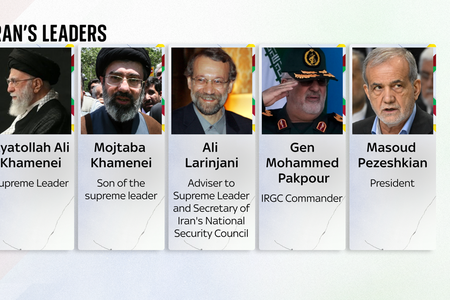
The 88-member Assembly of Experts, dominated by conservative clerics, will now have to appoint a successor to Khamenei.
"He will be remembered as a man who had many opportunities to listen to his people and change his approach. But, as supreme leader he was so firm in his rigid positions, so determined to triumph over internal and external rivals, and deep down so insecure, that he never really chose serious reflection," Vatanka said.
Khamenei is survived by four sons, a daughter, and his wife. The second daughter reportedly died in the same US and Israeli strikes that killed Khamenei.



Lini një Përgjigje