


 Shkruar nga Pamfleti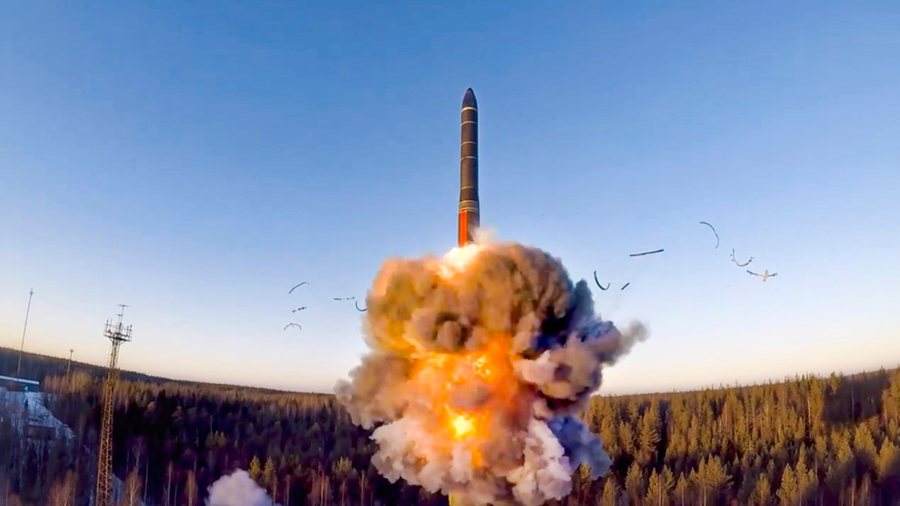
Russian lawmakers will consider withdrawing from the Nuclear Test Ban Treaty, the speaker of the lower house of the Russian parliament said on Friday.
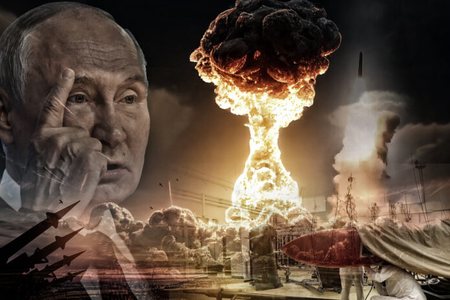
Lawmaker Vyacheslav Volodin's statement came after Russian President Vladimir Putin warned that Moscow could consider withdrawing from the international treaty, as the United States never ratified it.
"This is in line with our national interests," said lawmaker Volodin. "And this will come as an appropriate response to the United States, which has yet to ratify the treaty."
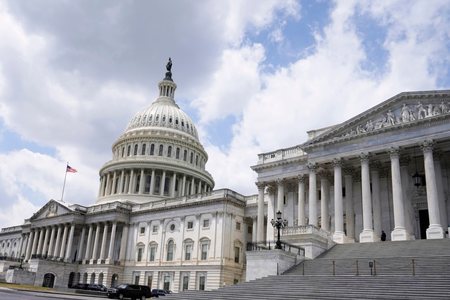
The 1996 treaty, which bans "all nuclear explosions or other nuclear tests" worldwide, has been signed by 187 countries, but the United States and seven other countries have not ratified it.
"It would be disturbing and unfortunate if a signatory country were to consider withdrawing from the Comprehensive Nuclear-Test-Ban Treaty," Robert Floyd, chairman of the committee that supports the treaty's implementation, said in a statement.
There are widespread concerns that Russia may resume nuclear tests in an attempt to prompt the West to abandon continued military support for Ukraine.
Volodin said lawmakers will discuss withdrawing from the nuclear treaty at the next agenda-setting council of lawmakers meeting in the Russian lower house of parliament.
"Washington and Brussels have started a war against our country," said lawmaker Volodin. "Today's challenges require new decisions."
Asked on Friday whether withdrawing from the treaty would lead to the resumption of nuclear tests, Kremlin spokesman Dmitry Peskov told reporters that "this will not be a statement on the intention to resume nuclear tests."
Speaking at a forum of foreign affairs experts on Thursday, Russian President Putin said that while some experts have spoken about the need to conduct nuclear tests, he has not yet made a decision on the matter.
"I am not ready to say yet whether it is necessary for us to conduct nuclear tests or not," he said.
Meanwhile, a 10-year-old boy and his grandmother were killed Friday in Ukraine by a Russian missile attack. It came a day after another rocket attack in Kharkiv region killed at least 52 civilians, becoming one of the deadliest attacks of the war in recent months. The UN Human Rights Office has sent a team to investigate the case. Moscow rejected accusations that it had launched the attack. / VOA



Lini një Përgjigje