


 Shkruar nga Nicholas Fenton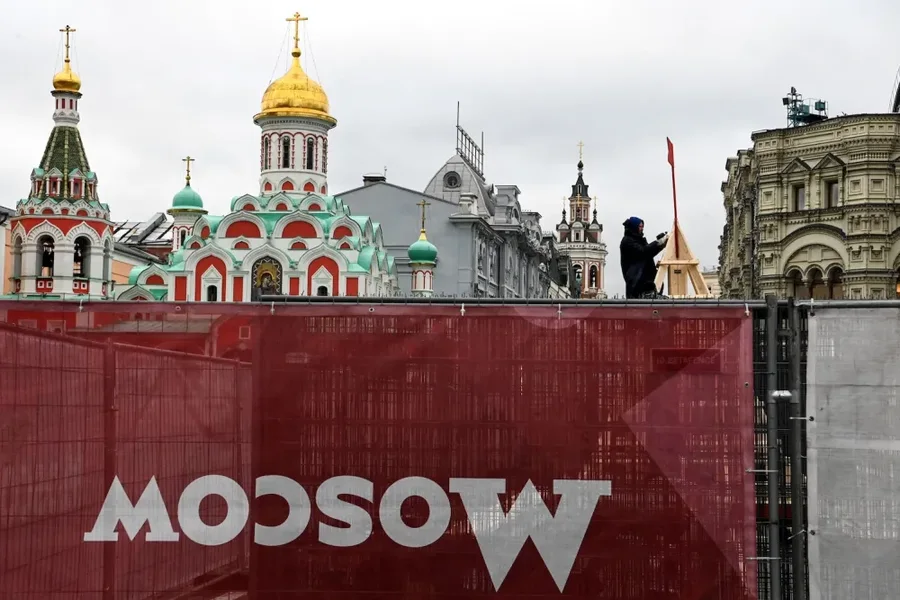
Moscow has successfully restructured its economy on an impressive war footing, but there are weaknesses under the hood…
Recent news reports suggest that US President Donald Trump may have finally overcome his reluctance to impose additional economic sanctions on Russia.
Faced with the reality that at the current level of pressure, Russian President Vladimir Putin does not feel any necessity to seriously engage in negotiations with Kiev, Trump said Monday that he would give Russia 10 or 12 days to make progress toward ending the war before imposing "sanctions and possibly secondary tariffs."
If Trump wants to end the war soon, additional sanctions will likely be necessary. Our latest research concludes that at the current level of sanctions and battlefield intensity, Russia will likely be able to continue its war effort for at least the next three years.
In the three and a half years since the invasion of Ukraine, analysts have consistently underestimated Russia's economic resilience. Moscow has not only maintained economic growth, but has also successfully restructured its economy on an impressive war footing. It is incorrect to claim that sanctions don't work, as Trump said, but there are ways to make them more effective.
First, we need to examine the reasons for Russia's economic stability, of which there are several.
Thanks to a dramatic increase in government spending within the framework of “military Keynesianism,” driven largely by continued energy exports, Russia has over the past three years posted impressive growth figures, maintained low unemployment levels, and even reduced social inequality while supporting real wage growth. Russia’s bloated military-industrial complex diverts resources from innovation in the non-defense economy, but has proven quite compatible with the Putinist emphasis on a more Soviet-style priority for defense needs and heavy industry. The Russian defense industrial base continues to produce missiles, drones, and other key weapons systems, while still producing more munitions than the United States and its NATO allies combined, despite its significantly smaller total defense spending.
But a quick look deeper reveals that the Russian economy has many weaknesses. Russia has struggled to bring inflation under control as an overheated economy has pushed domestic demand beyond supply.
A major source of inflation is the country’s chronic labor shortage, already a problem before 2022 but exacerbated by the war. In addition, Russia’s economy has remained dangerously over-dependent on key inputs and dual-use goods from China that are critical to its war effort, along with high-priced supply chains that reflect the Kremlin’s need to continually evade Western sanctions and export controls.
Moreover, Russia's current account remains exposed to the risk of a balance of payments crisis, as Russia still relies on an inflow of hard currency from commodity sales to finance its dependence on imports and support the functionally inconvertible ruble.
The key point is that, in recent months, as the international price of oil has fallen, Russia’s dependence on energy revenues has increased. As the Russian Central Bank has kept interest rates high to curb inflation, Russian banks are now complaining of acute stress as loans to corporate actors are starting to deteriorate. The government has been forced to rework its previously agreed budget for 2025, and leading voices in the country’s economic leadership continue to warn of an economic slowdown that could turn into a full-blown recession (which may already have reached non-defense sectors of the economy).
If sanctions were tightened, Russia could see its resources further constrained, potentially strengthening Ukraine’s position at the negotiating table. Sanctions may not directly halt Russia’s war effort, but they still matter. They increase costs to the Russian economy and war machine, fuel inflation through the increased costs of circumventing sanctions, limit the availability of funds to be spent on the battlefield, and force Russia to make domestic spending compromises that reduce the country’s long-term productivity and ability to invest in its human capital. Moreover, just because a financial crisis has not yet engulfed the Russian banking system does not mean that it will never emerge.
Here are some immediate steps the administration can take to raise the temperature in the Russian economy.
Së pari, politikëbërësit amerikanë duhet të zgjerojnë rrjetin e sanksioneve për të zënë në grackë firmat civile ruse me një pjesë mbresëlënëse të tregut, të cilat vazhdojnë të furnizojnë bazën industriale ruse të mbrojtjes me inpute dhe komponentë kyç, shpesh nga Kina, pa u përballur me pasoja serioze. Këta ndërmjetës, importues dhe firma logjistike luajnë një rol vendimtar në ekonominë ruse sot. Sanksionet nuk do t'i eliminojnë ata, por do të krijojnë më shumë pengesa që ata duhet të kapërcejnë, duke rritur potencialisht kostot e importit dhe duke ushtruar presion mbi llogarinë rrjedhëse të Rusisë. Në këtë front, koordinimi me aleatët është thelbësor. SHBA-të duhet të vazhdojnë të bashkëpunojnë me homologët e tyre të G-7, veçanërisht në Bashkimin Evropian, për të vazhduar shtrëngimin e zbatimit të regjimit aktual të sanksioneve dhe për të punuar për të eliminuar boshllëqet ekzistuese brenda strukturës së tij.
Së dyti, qeveria amerikane duhet të kërcënojë me sanksione dytësore të besueshme, duhet të ndjekë zbatimin e tyre, kundër subjekteve financiare shpesh më të vogla në vende si Kina ose Kirgistani , të cilat vazhdojnë të përpunojnë transaksione të lidhura me firmat ruse të sanksionuara.
Uashingtoni duhet t'u bashkohet aleatëve në zgjerimin e listës ndaj cisternave "të flotës në hije” të sanksionuara që transportojnë naftë bruto ruse. Ndërsa Rusia do të vazhdojë të identifikojë anije të reja për të transportuar naftën e saj ndërkombëtarisht, përcaktimet krijojnë kosto shtesë, gjenerojnë vonesa dhe nga ana tjetër ulin rrjedhën e valutës së fortë në ekonominë ruse. Përveç kësaj, duhet të vendosen sanksione kundër rafinerive individuale në vendet e 3-ta që blejnë naftë bruto ruse.
SHBA-të duhet të përdorin ndikimin e tyre të rëndësishëm diplomatik për të ushtruar presion dhe për të nxitur partnerët perëndimorë si India dhe Turqia që të kufizojnë blerjet e tyre të naftës bruto ruse. Kohët e fundit, administrata Trump ka kërcënuar me tarifa kundër Indisë si pjesë e negociatave të vazhdueshme tregtare, të cilat tani për tani janë planifikuar të hyjnë në fuqi më 7 gusht dhe i është referuar blerjes së vazhdueshme të energjisë dhe armëve ruse nga vendi si një nga justifikimet për një lloj ndëshkimi shtesë. Ndërsa shmangësit e sanksioneve ruse vazhdojnë të sjellin risi, hartuesit e politikës së sanksioneve duhet të paraqesin masat e tyre të reja krijuese për të kundërshtuar rrugët alternative ruse. Përveç kësaj, qeveria amerikane duhet të synojë të zëvendësojë naftën ruse në tregun global duke inkurajuar rritjen e prodhimit nga vendet e OPEC+, duke përjashtuar Rusinë. Lidhjet e përmirësuara të raportuara të Trump me shtetet e Gjirit mund të lehtësojnë përpjekje të tilla.
Së fundmi, Uashingtoni duhet të marrë në konsideratë zgjerimin e listës së eksporteve ruse që i nënshtrohen sanksioneve agresive me përjashtime të kufizuara. Këto mund të përfshijnë metale, gurë të çmuar, produkte bujqësore dhe plehra, ndër të tjera.
In 2024, Russian revenues from crude oil and petroleum products amounted to approximately $192 billion. But total Russian export revenues were even higher, at over $417 billion. Broadening the scope of the sanctions regime to weaken sales of other key commodities is likely to create market disruptions, but an approach that is entirely focused on oil is likely to yield diminishing returns over time. The hope is that expanded sanctions should inflict acute pain on the Russian economy and thus push Moscow to negotiate quickly with Kiev out of a desire for economic relief.
Containing Russian ambitions will require patience, deep expertise, pragmatism, restraint, and political and economic skill. In addition to continuing to supply Ukraine with weapons, ammunition, and critical intelligence, one of the best ways to protect U.S. interests in Europe is to tighten and effectively enforce sanctions to directly limit Russian export revenues. Leaders in Washington and Europe should take note. /Adapted from FP/



Lini një Përgjigje