


 Shkruar nga Steve Rosenberg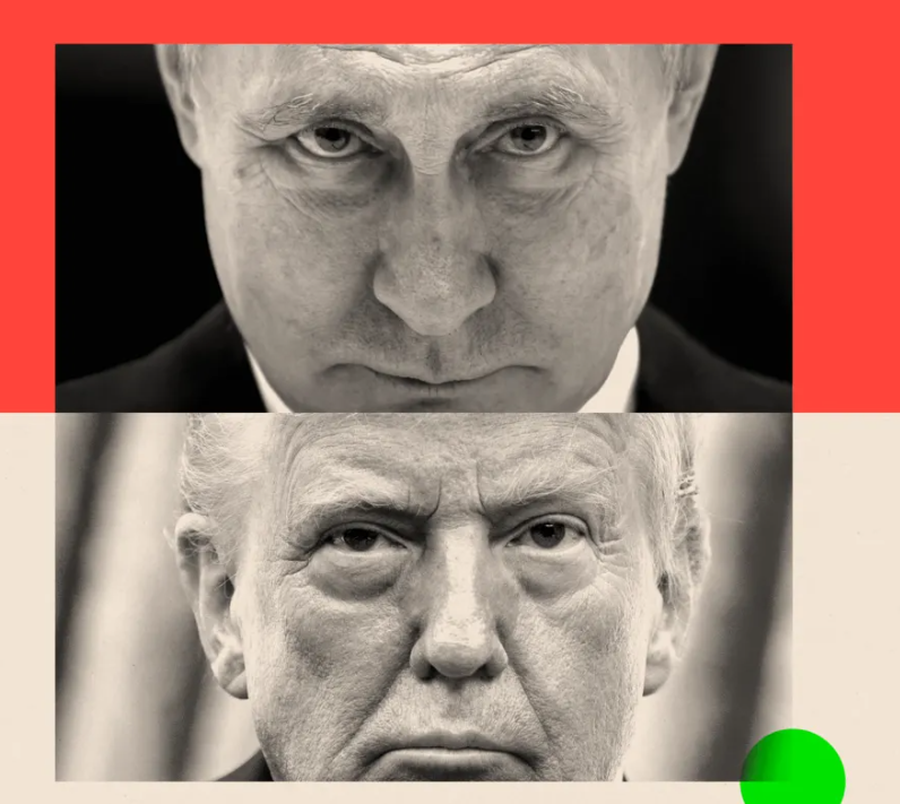
But does this mean that the White House is truly on a “collision course” with the Kremlin over Ukraine? Or is a visit to Moscow this week by Donald Trump’s special envoy, Steve Witkoff, a sign that despite all the posturing, a deal between Russia and America to end the fighting is still possible?
Has the relationship between Donald Trump and Vladimir Putin gotten out of control?
A prominent Russian newspaper thinks so. It used trains to illustrate the current state of US-Russian relations. "A head-on collision seems inevitable," the tabloid Moskovsky Komsomolets recently declared.
"The Trump locomotive and the Putin locomotive are rushing towards each other. And neither will turn off or stop and turn back."
For "Putin's locomotive," everything is ahead with the so-called "Special Military Operation": Russia's war in Ukraine. The Kremlin leader has shown no desire to end hostilities and declare a long-term ceasefire.
Donald Trump has increased the pressure on Moscow, issuing ultimatums, threatening new sanctions and targeting Russia's trading partners such as India and China.
Meanwhile, the “Trump locomotive” has accelerated efforts to pressure Moscow to end the fighting: announcing deadlines, ultimatums, threats of additional sanctions against Russia, and high tariffs on Russia's trading partners, such as India and China.
Add to all this the two American nuclear submarines that President Trump claims to have repositioned closer to Russia.
When you switch from talking about locomotives to nuclear submarines, things get serious.
But does this mean that the White House is truly on a “collision course” with the Kremlin over Ukraine? Or is a visit to Moscow this week by Donald Trump’s special envoy, Steve Witkoff, a sign that despite all the posturing, a deal between Russia and America to end the fighting is still possible?

A warm start after Trump's return
In the early weeks of Trump’s second presidency, Moscow and Washington seemed on track to rekindle their bilateral relationship. There was no sign of a head-on clash. At times, it seemed as if Vladimir Putin and Donald Trump were on the same page, moving in the same direction. In February, the United States sided with Russia at the United Nations, opposing a European-drafted resolution that had condemned Russia’s “aggression” in Ukraine. In a phone call that month, the two presidents talked about visiting each other’s countries. It seemed as if a Putin-Trump summit could happen any day now.
Meanwhile, the Trump administration was putting pressure on Kiev, not Moscow, and was fomenting conflicts with traditional U.S. allies like Canada and Denmark. In speeches and television interviews, U.S. officials were harshly critical of NATO and European leaders.
E gjithë kjo ishte muzikë për veshët e Kremlinit.
“Amerika tani ka më shumë të përbashkëta me Rusinë sesa Uashingtoni me Brukselin ose me Kievin”, tha për gazetën Izvestia në mars politologu Konstantin Blokhin nga Qendra për Studime të Sigurisë e Akademisë së Shkencave Ruse.
Muajin pasardhës, e njëjta gazetë po shkruante: "Trumpistët janë revolucionarë. Ata janë shkatërrues të sistemit. Uniteti i Perëndimit nuk ekziston më. Gjeopolitikisht nuk është më një aleancë. Trumpizmi e ka shkatërruar konsensusin transatlantik me besim dhe shpejtësi."
I dërguari i Trump, Steve Witkoff, ka bërë 4 vizita në Rusi vetëm në dy muaj, duke zhvilluar orë të tëra bisedimesh private me Presidentin Putin. Ai ishte kthyer në një vizitor të rregullt në Rusi. Ai bëri katër udhëtime këtu në pak më shumë se dy muaj, duke kaluar orë të tëra në bisedime me Vladimir Putinin. Pas një takimi, udhëheqësi i Kremlinit i dhuroi atij një portret të Donald Trump për ta çuar në Shtëpinë e Bardhë.
Presidenti Trump u tha se u prek “qartësisht” nga gjesti. Por Presidenti Trump po kërkonte më shumë sesa thjesht një pikturë nga Moska. Ai donte që Presidenti Putin të nënshkruante një armëpushim gjithëpërfshirës pa kushte në Ukrainë.

Zhgënjimi në rritje i Trumpit
I bindur se Rusia mban iniciativën tani në fushën e betejës, Vladimir Putin ka ngurruar të ndalojë luftimet, pavarësisht pretendimit të tij se Moska është e përkushtuar ndaj një zgjidhjeje diplomatike.
Kjo është arsyeja pse Donald Trump është bërë gjithnjë e më i frustruar me Kremlinin. Në javët e fundit ai i ka dënuar sulmet e pamëshirshme të Rusisë ndaj qyteteve ukrainase si "të neveritshme", "të turpshme" dhe e ka akuzuar Presidentin Putin se po flet "shumë budallallëqe" për Ukrainën.
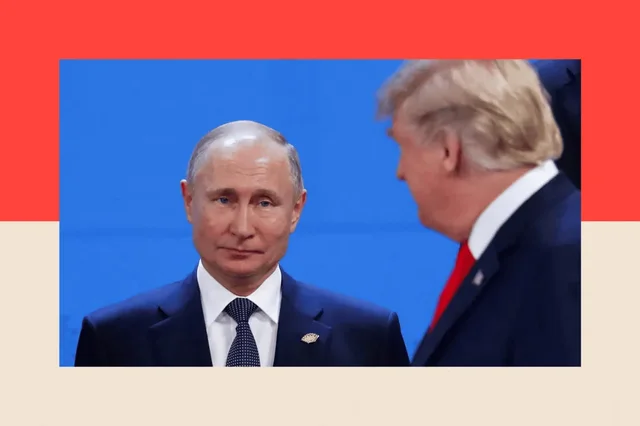
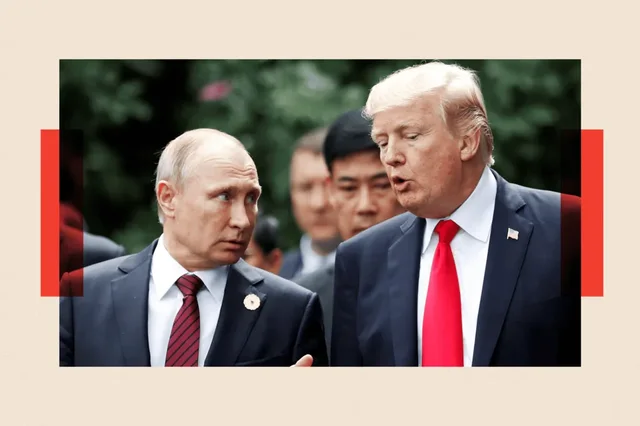
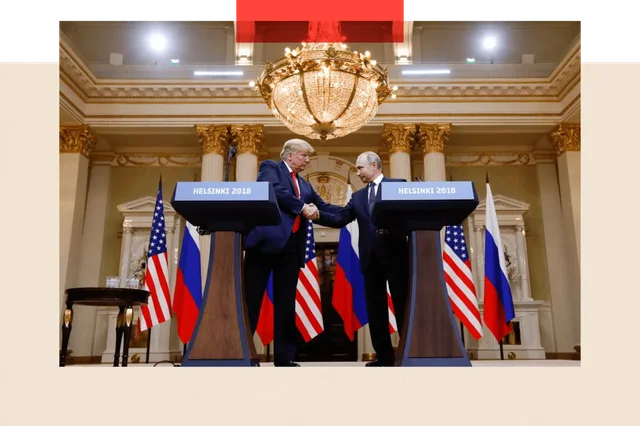
Të dy burrat u takuan dhe folën gjatë personalisht në Helsinki në vitin 2018, por marrëdhëniet aktualisht janë të tendosura.
Muajin e kaluar, Donald Trump njoftoi një ultimatum 50-ditor drejtuar Presidentit Putin për t'i dhënë fund luftës, duke kërcënuar me sanksione dhe tarifa. Më pas ai e uli këtë afat në 10 ditë. Afati pritet të skadojë në fund të kësaj jave. Deri më tani, nuk ka asnjë shenjë se Vladimir Putin do t'i nënshtrohet presionit nga Uashingtoni.
Nga ana tjetër, sa në presion ndihet realisht Vladimir Putini?
"Meqenëse Donald Trump ka ndryshuar kaq shumë afate dhe ka devijuar në një mënyrë ose në një tjetër, nuk mendoj se Putini e merr seriozisht", shprehet Nina Khrushcheva, një profesoreshë e çështjeve ndërkombëtare në The New School, një universitet në New York City.
Trump i ka quajtur publikisht sulmet e Rusisë në qytetet ukrainase "të neveritshme" dhe "të turpshme". “Putini do të luftojë për aq kohë sa të mundet, ose, nëse Ukraina nuk thotë: ‘Jemi të lodhur, jemi të gatshëm të pranojmë kushtet tuaja’.
"I think Putin sits there in the Kremlin and thinks he's fulfilling the dreams of the Russian tsars, and then of general secretaries like Joseph Stalin, by showing the West that Russia should not be treated with disrespect," she says.

A deal is still possible
From the picture I've painted so far, it might seem like a head-on collision between the Putin and Trump locomotives is inevitable. But not necessarily.
Donald Trump sees himself as a great deal maker, and he apparently hasn't given up trying to secure one with Vladimir Putin.
Steve Witkoff is expected to return to Russia this week for talks with the Kremlin leader. We don't know what kind of offer he might bring with him. But some commentators in Moscow predict that there will be more carrot than stick. It didn't go unnoticed that on Sunday President Trump said that Russia "seems to be quite good at evading sanctions."
Despite the mounting pressure, Putin has not changed his stance on key demands, insisting on Ukraine's neutrality and strict restrictions on Ukraine's future military.
On Monday, Ivan Loshkarev, associate professor of political theory at MGIMO University, Moscow, told Izvestia that to facilitate dialogue, Mr. Witkoff could present "favorable cooperation offers [to Russia] that would be opened after an agreement on Ukraine."
Could this be enough to convince the Kremlin to make peace after three and a half years of war?
There is no guarantee.
After all, so far in Ukraine, Vladimir Putin has not backed down from his maximalist demands on territory, Ukraine's neutrality, and the future size of the Ukrainian army.
Donald Trump wants a deal. Vladimir Putin wants victory. / Adapted from BBC /



Lini një Përgjigje