


 Shkruar nga Pamfleti
Rothschild, Trump and Russian capital, how an empire on the verge of bankruptcy was kept afloat...
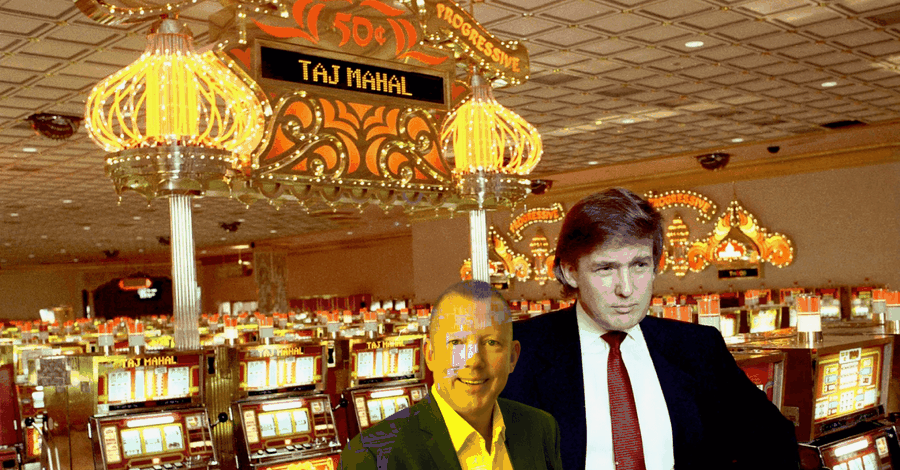
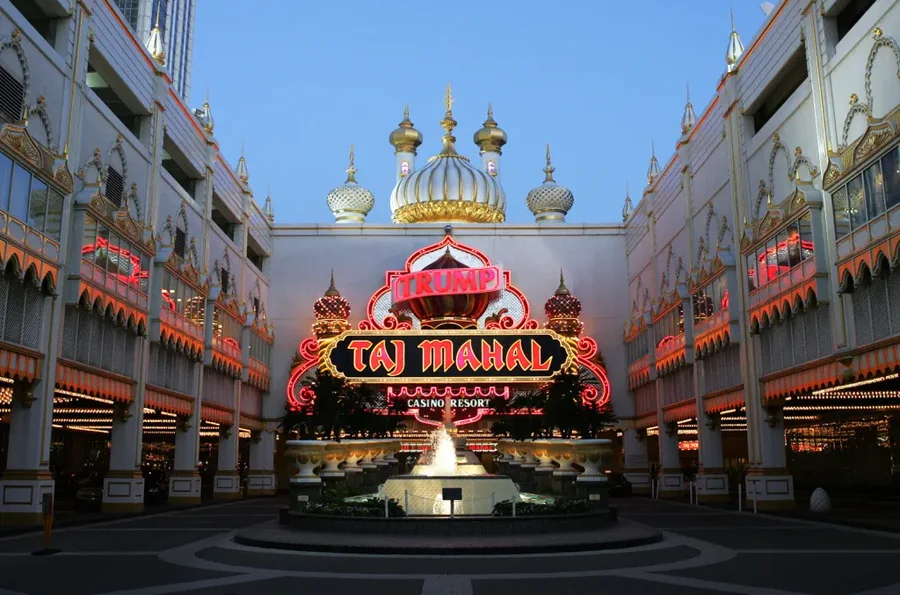
In 1990, Donald Trump was practically on the verge of bankruptcy, as the Taj Mahal casino in Atlantic City, opened only a few months earlier, had accumulated about $3 billion in debt, was generating daily losses, and was unable to even pay the basic interest on its obligations, which caused American banks to cut off financing and begin preparations to take control of the assets through bankruptcy proceedings.
At this point, Trump had virtually lost access to the traditional American banking system, because Wall Street banks were no longer willing to restructure his debt without huge losses, which meant that formal bankruptcy and loss of control over his assets was the most likely scenario.
This is where Rothschild Inc. comes into play , not as a bank that provides loans, but as a firm that manages financial crises, bankruptcies and troubled assets, which through Wilbur Ross, then a senior Rothschild executive, took over negotiations with Trump's creditors, not to make him financially independent again, but to avoid a complete collapse that would cause even greater losses for the financial system involved.
Wilbur Ross, as the leader of the process, negotiated with creditors by setting a clear line: Trump's removal from management would completely devalue the casino and turn a difficult asset into an unsellable burden, while keeping him at the helm, both limited and dependent, would provide sufficient income to avoid total losses.
The agreement that was reached did not free Trump from debt; on the contrary, it tied him even more tightly to the structure that restructured him, because he lost a large portion of his shares, accepted strong financial restrictions, and remained under supervision, but retained the operational role and brand, transforming himself from an independent owner into a manager of an asset that was controlled behind the scenes.
After this episode, Trump remained outside of classic American financing for years and was unable to obtain large loans from American banks, which forced him to change his business model, focusing on licensing his name and deals where capital came from abroad, often through structures that did not require public transparency, but only the use of the brand.
Në këtë periudhë, rrjeti financiar i lidhur me Rothschild shtriu aktivitetin drejt Evropës Lindore dhe tregjeve të mallrave, ku figura si Nat Rothschild ndërtuan marrëdhënie të drejtpërdrejta me oligarkë rusë që kishin akumuluar pasuri të mëdha pas privatizimeve të viteve ’90 në Rusi dhe kërkonin mënyra për ta nxjerrë këtë kapital jashtë vendit dhe për ta investuar në Perëndim.
Një nga këta oligarkë ishte Oleg Deripaska, figurë qendrore e kapitalit rus ndërkombëtar, i cili përmes kompanive dhe investimeve të tij u lidh me rrjete financiare perëndimore, përfshirë struktura të lidhura me Rothschild, duke krijuar një kanal ku kapitali rus qarkullonte drejt tregjeve perëndimore të pasurive të paluajtshme dhe financave.
Ky kontekst është i rëndësishëm për të kuptuar mjedisin financiar në të cilin Trump vazhdoi të operojë, sepse ndërkohë që bankat amerikane e kishin përjashtuar, kapitali ndërkombëtar dhe rrjetet alternative mbetën aktive dhe të gatshme të bashkëpunonin në projekte ku emri Trump përdorej si mjet marketingu dhe jo si garanci financiare.
Më vonë, këto lidhje u bënë edhe më të dukshme përmes figurave politike dhe biznesore rreth Trump, si Paul Manafort, i cili kishte marrëdhënie të gjata financiare me Oleg Deripaskën dhe u përfshi drejtpërdrejt në fushatën presidenciale të vitit 2016, duke konfirmuar se rrethi i Trump operonte brenda një mjedisi ku kapitali rus dhe rrjetet financiare perëndimore nuk ishin të ndara.
Roli i Wilbur Ross në këtë histori nuk përfundon në vitet ’90, sepse ai u rikthye dekada më vonë si Sekretar i Tregtisë në administratën Trump, duke marrë një nga postet kyçe që mbikëqyr politikat tregtare dhe ekonomike të SHBA-së, çka tregon se marrëdhënia e krijuar në kohë krize financiare u shndërrua në marrëdhënie pushteti.
Emërimi i Wilbur Ross si Sekretar i Tregtisë nuk ishte një rastësi, por rikthimi i një njeriu që kishte qenë pjesë e momentit kur Trump u mbajt në këmbë dhe u lidh me strukturat që i mundësuan mbijetesën, duke e bërë të qartë se marrëdhënia e krijuar në vitet ’90 nuk u mbyll, por ndryshoi formë.
Në thelb, Trump nuk u shpëtua për t’u bërë i pavarur, por u mbajt funksional sepse ishte më i vlefshëm në lojë sesa jashtë saj, dhe kjo është logjika bazë e kapitalit që menaxhon kriza, jo duke shkatërruar asetet, por duke i përdorur ato sa kohë që prodhojnë vlerë.
From that moment on, Donald Trump never returned to the position of an independent businessman operating outside of financial dependencies, because the restructuring of the 1990s placed him in a new balance of power where his economic survival was conditioned by the tolerance and interests of those who kept him afloat, and this relationship was not interrupted either when he entered politics or when he reached the White House, as Trump's presidency did not come as a break from that financial history, but as its continuation at another level of power, where political decision-making was superimposed on a figure who was accustomed to functioning within previously negotiated boundaries, not as a free actor, but as the product of a managed survival that began with the Taj Mahal and extended to today's presidency... /Pamphlet



Lini një Përgjigje