


 Shkruar nga Sara Herschander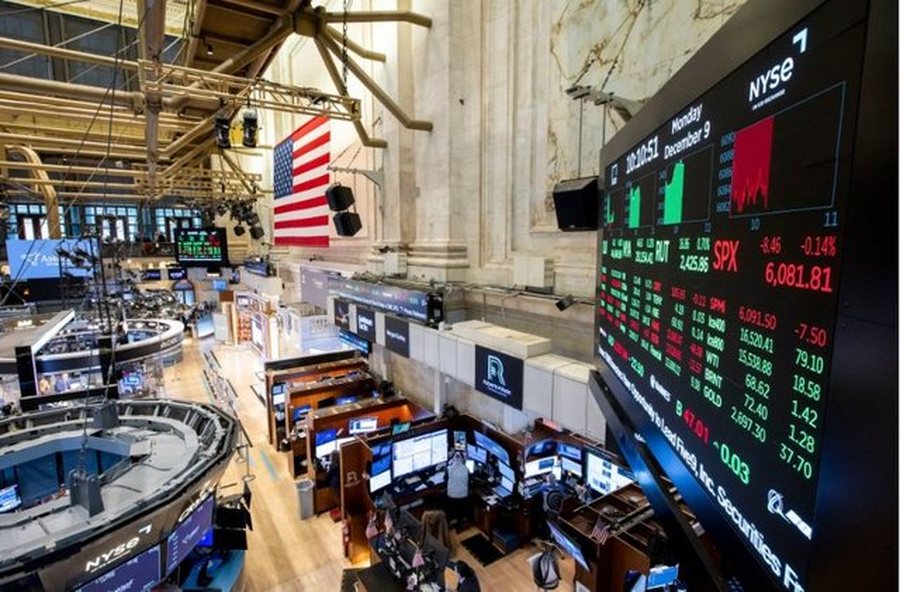
The global debt crisis works just like your credit card, but much, much worse. Developing countries alone have a debt of almost $31 trillion, mostly to banks in New York and London. They lend them money at high interest rates, and if the debtors can't pay, they sue them and win many times the original amount...
Like many Americans, most countries in the world are heavily indebted. Developing countries alone have a debt of nearly $31 trillion. If spread out across the entire world population, over 8 billion people, each one owes $3,750.
Or for Jeff Bezos to throw a $50 million wedding in Venice every weekend for the next 11,900 years. Or at least in theory, to solve the problem of world hunger. But instead, many countries in Africa, Asia, and Latin America are burdened with so much debt that today more than 3 billion people, over a third of humanity, live in countries that spend more on debt interest payments than on health care or education.
This is nothing new. But the problem has gotten much worse in recent years as part of a vicious cycle that will be all too familiar to most Americans who have ever fallen behind on a credit card bill or a student loan payment.
You get a new credit card to pretend you can pay off the old one. No matter how much you pay each month, somehow the amount you owe seems to increase year after year. And if disaster strikes at the worst possible time, whether it's a hurricane or a medical emergency, then forget about being able to pay it off.
For poor countries, as with people, debt becomes a financial pit with no bottom on the horizon.
" It's like Hotel California. You can check in whenever you want, but you can never leave," says Penelope Hawkins, a senior economic affairs officer at the United Nations, focused on debt and development finance.
And when the crisis gets deep enough, indebted countries stop building hospitals, just as deeply indebted Americans forgo health care and dental visits. Nations cut funding for their schools. Their economies slow. And their credit ratings fall, meaning any future loans will be even more expensive.
"These are not just statistics. This crisis is embodied in more disease, poorer population health, and increased annual deaths," says Joel Curtain, director of lobbying at Partners in Health, which lobbies for system reform to address the skyrocketing debt.
To understand a damaging part of how this all works, look no further than a handful of hedge funds in Manhattan that control the financial fate of entire countries, just as they can control your mortgage and your highly profitable credit card debt.
The terms of most countries' debt contracts, also known as sovereign bonds, are not handled by any international body or within the debtor country. They are divided between the jurisdiction of judges in the world's two largest financial centers: New York and London. After all, that's where the money is.
Meanwhile, thousands of miles away, it is ordinary people who are facing the hidden but profound consequences of that debt deal gone wrong. They are the ones who will suffer the most when government spending cuts take effect, when the price of bread doubles, when their children's classrooms become overcrowded and when hospitals have power outages.
The debt trap
Basically, there's nothing wrong with borrowing. Getting ahead costs money. If you want a well-paying job, maybe you should go to college. And if your family can't afford it, then maybe you should take out a loan.
The same goes for countries. They want to grow their economies, build schools, staff hospitals, and invest in infrastructure. And if they're not rich, then the only way to afford the costs is to take out loans.
“No country has grown without some debt. No country has developed without debt, ” says Hawkins. Vietnam, for example, was once one of the poorest countries in the world. But a series of economic reforms in the late 1980s, accompanied by $26 billion in loans from the World Bank since 1993, catapulted the country into the global middle class, all but eliminating extreme poverty.
The problem is that the loans that poor countries get today have become so expensive, and the economic growth they are supposed to foster is often so slow, that they can never pay them back. The interest adds up before the profits come in. And it's no wonder that the bill only swells over the years.
Developing countries have seen their total debt increase by almost 160 percent over the past decade. More than 60 of these countries now spend more than 10 percent of their government revenues on interest payments.
Një amerikan mund të pyesë: Por a nuk u detyrohen SHBA-të miliarda dollarë edhe kreditorëve të tyre? Po, por një vend i pasur si Shtetet e Bashkuara merr hua në monedhën e vet dhe pothuajse gjithmonë mund të marrë kredi më të lira për të shlyer ato të vjetrat.
Kjo do të thotë që borxhi kombëtar ndikon rrallë në jetën e amerikanëve të zakonshëm. SHBA-të s’kanë nevojë të shkurtojnë ndihmën sociale apo të ndalojnë së paguari për mirëmbajtjen e rrugëve për të menaxhuar borxhin e tyre për një kohë të pacaktuar. Të paktën jo ende. Por vendet më të varfra nuk e kanë këtë luks.
Ashtu si amerikanët me të ardhura të ulëta që shpesh përballen me norma interesi të larta nëse duan të marrin para hua, edhe vendet me të ardhura të ulëta përballen me të njëjtën situatë. Kombet afrikane paguajnë mesatarisht 10 për qind interes vjetor për kreditë e tyre, ndërsa normat e interesit për vendet e pasura si SHBA-ja janë zakonisht nën 3 për qind.
Dhe këtu arrijmë te Wall Street. Sepse kreditorët privatë, si fondet spekulative dhe kompanitë e sigurimeve, mbajnë gjithnjë e më shumë pjesën më të madhe rreth 60 për qind në vitin 2023 të borxhit të jashtëm të vendeve me të ardhura të ulëta dhe të mesme, një tendencë që ka qenë në rritje që nga viti 2010.
Por nuk ka qenë gjithmonë kështu. Për pjesën më të madhe të shekullit XX, kur një vend në zhvillim kishte nevojë për financim, zakonisht i drejtohej Klubit të Parisit, një grupim joformal i vendeve kreditore perëndimore, ose institucioneve shumëpalëshe të kontrolluara nga Perëndimi, si Fondi Monetar Ndërkombëtar dhe Banka Botërore.
Por në fillim të viteve 2000, Klubi i Parisit tërhoqi huadhënien pasi një fushatë proteste e mbështetur edhe nga Vatikani kërkoi t’u faleshin miliarda dollarë borxhe vendeve të varfra. Pastaj erdhi kriza e madhe e viteve 2008–2010 dhe normat e interesit ranë ndjeshëm, duke i detyruar kreditorët privatë të kërkonin një mënyrë të re për të fituar para.
Atë e gjetën në vendet e varfra, ku mund të aplikonin norma interesi shumë më të larta sesa në vendet e pasura. Në fakt, obligacionet u bënë aq pa fitim në vende si Gjermania, saqë kaluan në vlerën minus disa vjet pas krizës financiare, ndërsa normat e interesit në të gjithë Afrikën luhateshin mbi 5 për qind.
Kështu lindi biznesi modern i borxhit sovran. Dhe këto kompani private fituan shumë nga ato kredi me interes të lartë.
“Të japësh hua është një biznes i mirë”- thotë Martín Guzmán, ekonomist dhe ish-ministër i ekonomisë i Argjentinës. Dhe në fakt pak vende e dinë këtë aq mirë sa Argjentina.
Pas zhytjes në borxhe të mëdha, një sërë reformash neoliberale të detyruara nga FMN-ja dhe një krizë ekonomike dobësuese, vendi ndaloi së paguari borxhin e tij prej 100 miliardë dollarësh në pragun e Krishtlindjeve të vitit 2001.
Ishte dështimi i dytë më i madh i borxhit sovran në histori, një dështim që i çoi kreditorët e saj nga baronët e Wall Street-it te fondet e pensioneve në një kolaps të papritur.
The fear of this very scenario illustrates why loans are so expensive for low-income countries: the higher the risk, the higher the interest rates. In Argentina’s case, chronic overspending and inflationary cycles have made borrowing particularly expensive. And you can imagine what happened next. The funds that bought Argentina’s loans went on the offensive; the most notorious of these was hedge fund Elliott Management.
Elliott sued Argentina for defaulting on its debt, and in 2012 seized an Argentine naval vessel docked in Ghana. Creditors who lend to poor countries “want to charge high interest rates, but they also want to be paid in full when risks occur,” says Tim Jones, policy director at the group Debt Justice.
In the end, Elliott won. After a 15-year battle in New York court, since about half of all sovereign debt is tried in Wall Street territory, Elliott secured a $2.4 billion settlement, a 392 percent profit on the bonds' original value.
Because Elliott paid so little for those bonds, the company made a profit 10 to 15 times higher than the original cost. It is true that Argentina was partly a victim of its own mistakes, but also that Argentina, once one of the richest countries in the world, never fully recovered. And it was ordinary Argentines, not the decision-makers, who paid the cost of that disaster.
Recently, not only countries facing difficulties, but also some private creditors have been calling for a change in the system. A proposed law in New York state offers countries the opportunity to relieve and restructure debt, with provisions against creditors who try to delay agreements.
Due to lobbying by Wall Street companies, the deal failed this year, but will be put to a vote again next year. Even if this bill and a similar one in London are passed, it will not transform the problem overnight. But anything that makes it easier for countries to renegotiate their debt would be a big win./ Adapted from "Pamphlet", taken from "Vox"






Lini një Përgjigje