


 Shkruar nga Pamfleti
Trump himself has fueled tensions, calling NATO a "paper tiger" in an interview with The Telegraph.
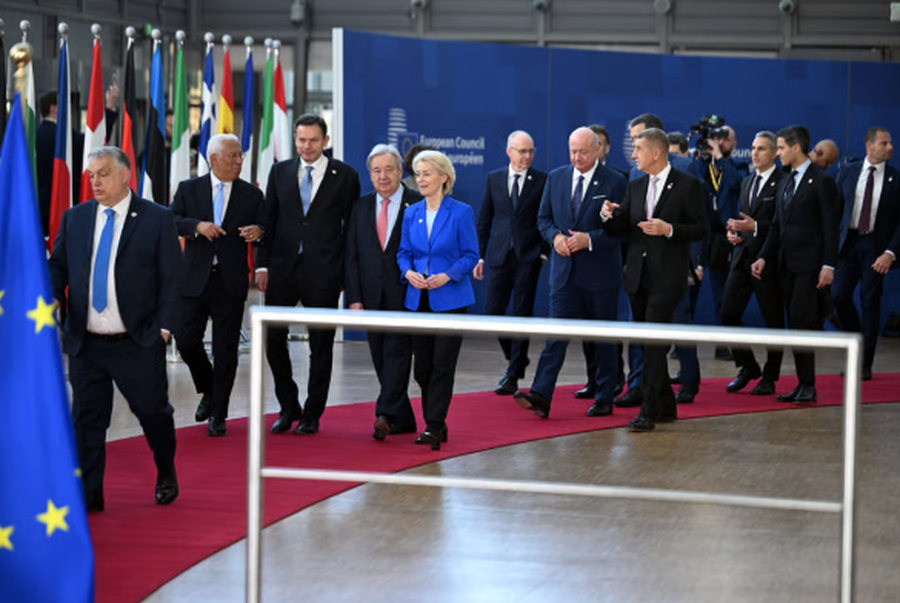
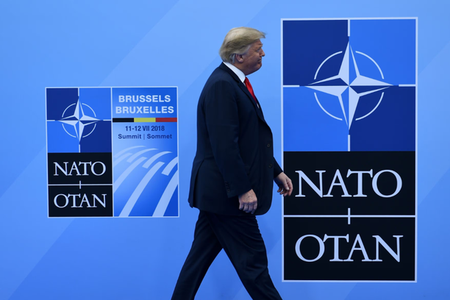
Donald Trump's anger at NATO allies for their refusal to join the fight against Iran has so far achieved one result: it has united them against him.
In private conversations, over intimate dinners and on the sidelines of meetings in Brussels and elsewhere, European leaders and officials are discussing how to deal with the US president's threats to leave NATO and what they would do if he carried it out.
They already share a grim assessment that Trump’s increasingly harsh attacks on Britain, Spain, France and others confirm a fundamental rift in the transatlantic alliance. While they are still unsure of the ultimate response, some countries have begun to consider expanding their defense and security agreements to circumvent a weakened NATO.
“NATO is paralyzed, they can’t even hold meetings,” said a European diplomat. “It’s clear that NATO is already falling apart,” added an EU official, stressing that Europe urgently needs to strengthen its defenses, “we can’t wait until it’s completely dead.”
This straightforward assessment, drawn from POLITICO interviews with 24 ministers, officials and diplomats, clearly describes the shift in the post-war world order that Trump has helped to bring about.
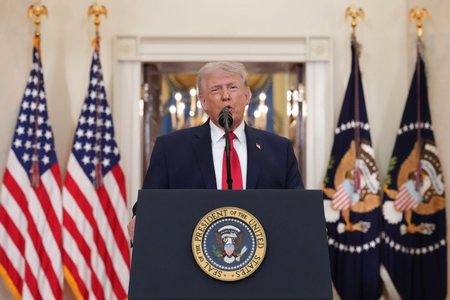
In recent days, the Trump administration has plunged the military alliance into perhaps the deepest crisis in its 77-year history. The president and his team have warned that they will review U.S. membership in NATO after the war with Iran ends, in response to the failure of European allies to join the conflict.
Trump himself has fueled tensions, calling NATO a "paper tiger" in an interview with The Telegraph.
The US's main grievance is the refusal of European countries such as Spain, the UK and France to allow the use of their bases and airspace for operations against Iran. In the month since the war began, Trump's anger has grown through a series of increasingly harsh posts on his Truth Social network.
For Europeans, the question remains as always, how to protect themselves from the worst consequences and preserve what matters most.
Nordic conversation at the table
In Helsinki last week, 10 European leaders met for a private dinner without the presence of staff, at the Mannerheim Museum, the home of Finnish World War II leader Gustaf Mannerheim.
Mes ambienteve të viteve 1940, të dekoruara me trofetë e gjuetisë së ish-presidentit, liderët e vendeve si Britania, Suedia, Finlanda dhe Norvegjia zhvilluan një diskutim të drejtpërdrejtë mbi gjendjen e rëndë të aleancës transatlantike. Ata ranë dakord se retorika e Trump në rrjetet sociale është problematike dhe po përkeqësohet.
Megjithatë, ata vendosën se nuk mund të pranonin kërkesën e presidentit amerikan për t’u bashkuar në luftën kundër Iranit.
“Ne të gjithë duam që lufta të përfundojë, por nuk jemi në të njëjtën linjë me SHBA-në”, tha një zyrtar i informuar mbi diskutimet. Trump kërkon mbështetje nga NATO, por liderët mbeten kundër sepse “shumica e europianëve nuk u informuan paraprakisht dhe Gjiri nuk ka lidhje me NATO-n”.
Në Europë, përkundrazi, kjo krizë po ka efekt bashkues, “këto 10 vende kanë qenë gjithmonë të afërta, por tani janë edhe më shumë”, shtoi ai.
Vlerësimi i këtyre qeverive nuk kufizohet vetëm në Europën Veriore. Në fakt, ajo që bie në sy në reagimin ndërkombëtar ndaj luftës në Iran është sa të bashkuar kanë qenë liderët europianë në refuzimin për të dërguar mjete ushtarake.
Trump “e ka shkatërruar” marrëdhënien transatlantike dhe “ka bashkuar” Europën kundër kësaj lufte, tha një diplomat i BE-së. Një tjetër zyrtar i lartë shtoi se amerikanët duhet të përballen me pasojat e vendimit të tyre për të sulmuar Iranin.
Gjatë pushtimit të Irakut në vitin 2003, vende si Britania dhe Polonia dërguan trupa. Këtë herë, kryeministrat e këtyre vendeve kanë bërë të qartë se nuk do të marrin pjesë.
Spanja mbylli hapësirën ajrore për avionët amerikanë, ndërsa Franca ndaloi përdorimin e hapësirës së saj ajrore për fluturime me ngarkesa ushtarake drejt Gjirit.
Sipas Fabrice Pothier, drejtues i Rasmussen Global dhe ish-zyrtar i NATO-s, SHBA po përballet me pasojat e veprimeve të saj të njëanshme dhe të faktit që e ka marrë Europën si të mirëqenë.
S'ka Churchill
Kryeministri britanik Keir Starmer ka qenë objekt i sulmeve personale nga Trump, i cili e ka cilësuar “jo Winston Churchill” për refuzimin për t’u përfshirë në ofensivë. Starmer reagoi duke theksuar se do të veprojë në interesin kombëtar të Britanisë.
Ai shtoi se NATO mbetet “aleanca ushtarake më efektive në botë” dhe se Britania është plotësisht e përkushtuar ndaj saj.
Megjithatë, ministrja e financave Rachel Reeves shprehu hapur pakënaqësinë, duke thënë se është e zemëruar që Trump ka zgjedhur të hyjë në luftë në Lindjen e Mesme pa një plan të qartë daljeje.
Pavarësisht kësaj, Britania dhe aleatët e saj po përpiqen të tregojnë se duan të kontribuojnë, edhe për shkak të interesave ekonomike që lidhen me tregtinë në Ngushticën e Hormuzit dhe çmimet e naftës.
The US's main grievance is the refusal of European countries such as Spain, the UK and France to allow the use of their bases and airspace for operations against Iran. In the month since the war began, Trump's anger has grown through a series of increasingly harsh posts on his Truth Social network.
Britain will host a virtual summit with 35 countries to discuss diplomatic and political measures to restore freedom of navigation and trade in the region.
Don't mention the war.
There is concern within NATO about the division, as well as uncertainty over the fact that the US has not formally requested assistance from the alliance. It is not clear what Washington is specifically seeking.
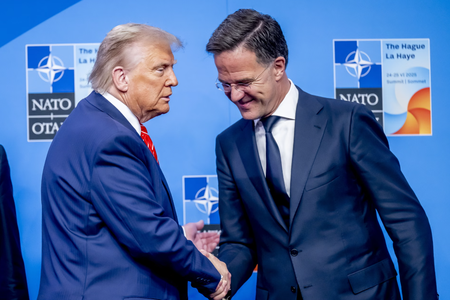
Secretary-General Mark Rutte has irritated some allies by avoiding criticism of the US and insisting there is no problem in NATO.
Officials acknowledge that continued criticism from the US weakens the alliance, as NATO relies on the idea of collective defense under Article 5. The moment this is called into question, its deterrent role against Russia is also weakened.
Meanwhile, Europe does not yet have a single answer to restore NATO's credibility or, in the worst case, replace it.


Lini një Përgjigje