


 Shkruar nga Pamfleti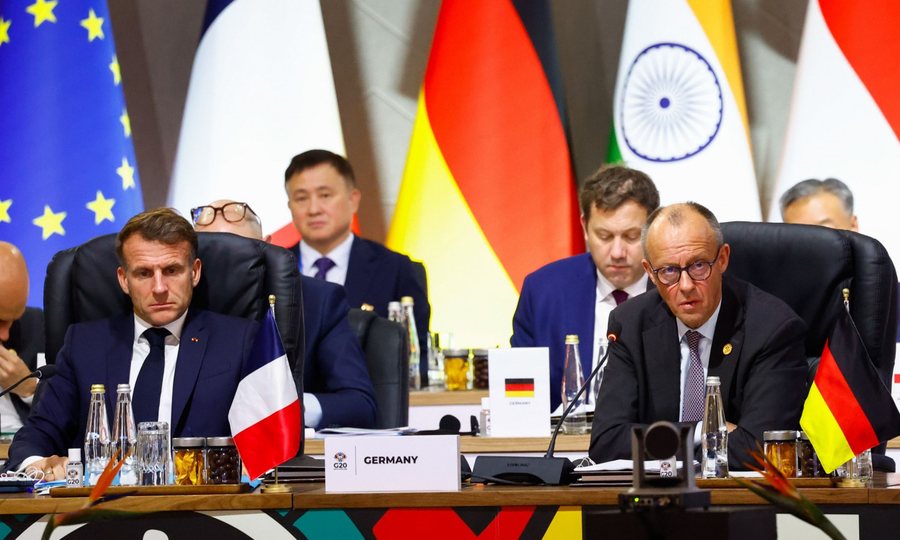
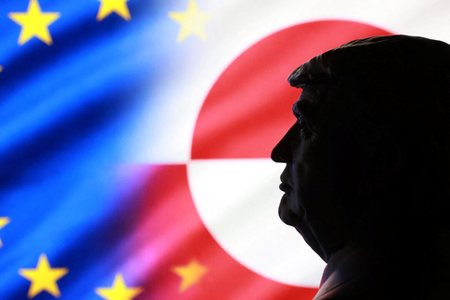
The international crisis over Greenland is entering a new phase of escalation. According to an internal report obtained by German magazine Der Spiegel, Germany is considering using the European Union's most powerful trade weapon, known as the "trade bazooka," if the United States follows through on its threat to annex Greenland and impose punitive tariffs on EU countries.
It is an official document from the German Foreign Ministry, addressed to Berlin's representative in Brussels, which clearly describes the position that should be taken in consultations with European partners:
"If the US makes good on the threat, we must be prepared for a trade clash. It is necessary to stand firm in the face of Trump's rhetoric and examine all our political tools."
At the center of this arsenal is the "Instrument against Economic Blackmail", a mechanism approved by the EU in 2023, which gives Brussels the power to block foreign companies from public tenders or impose heavy tariffs if a third country exerts economic pressure on a member state.
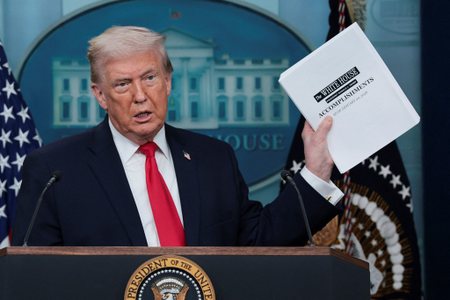
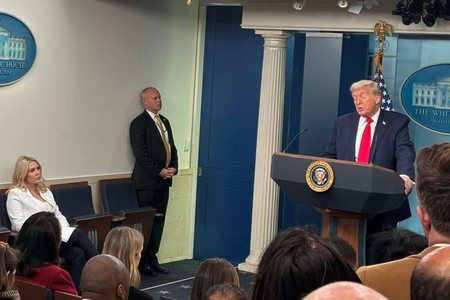
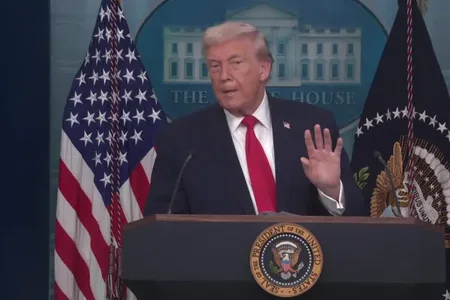
This instrument, which is defined as a "trade bazooka", is being taken seriously for the first time against a NATO ally, due to the threats of US President Donald Trump, who over the weekend sent a clear signal to Germany and 7 other European countries: either not block the American project for Greenland, or they will face 10% tariffs that come into effect on February 1 and increase to 25% in June.
German Chancellor Friedrich Merz, although he has so far maintained a softer tone than his French counterpart Emmanuel Macron, did not rule out the option of a strong response: "As Europeans, we must act with prudence, but also with determination in the face of such provocations," he declared on Monday, leaving the door open to using the instrument as a means of pressure.
In Brussels, the scenario being prepared is to initially technically activate the instrument without using it immediately, as a warning signal. Its actual use could accelerate the US-EU economic clash, at a time when the crises in the Arctic and Ukraine have strained transatlantic relations to the maximum.


Lini një Përgjigje