


 Shkruar nga Pamfleti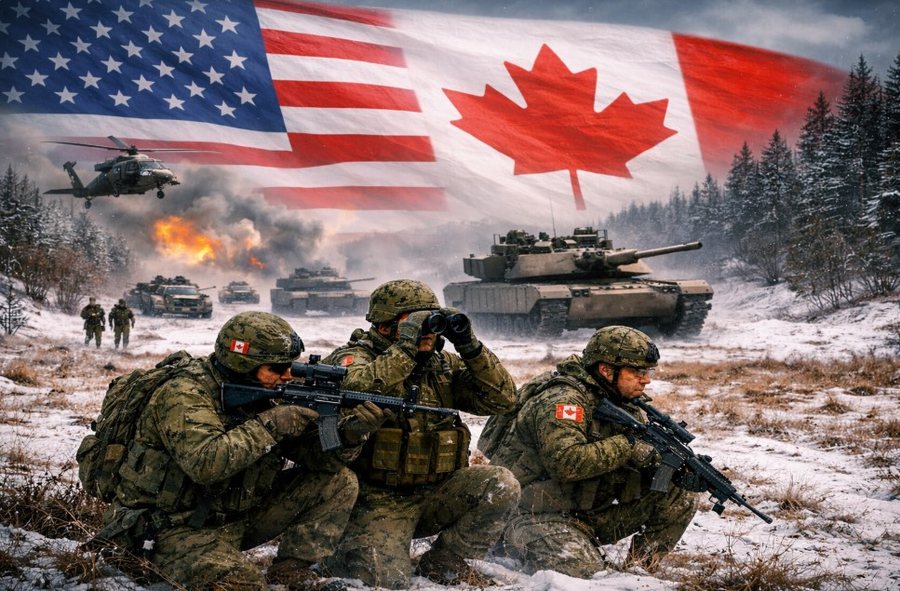
Canadian military conducts simulation of US invasion...
In a development that has shocked public opinion and trickled down international diplomatic radars, the Canadian military has conducted a simulation of a possible invasion by the United States, analyzing Ottawa's possible strategic responses to a surprise attack from the south.
According to an exclusive report by The Globe and Mail newspaper, this is the first time in more than a century that Canadian forces have seriously considered such a hypothetical threat from a historic ally, marking an unprecedented turning point in the country's strategic thinking.
Senior government sources have clarified that this is not an operational plan, but a theoretical exercise, used to test readiness and stimulate strategic thinking in the event of an extreme scenario. However, the fact that a NATO ally like Canada is realistically considering the possibility of a conflict with the US speaks volumes about the new climate of geopolitical uncertainty in North America.
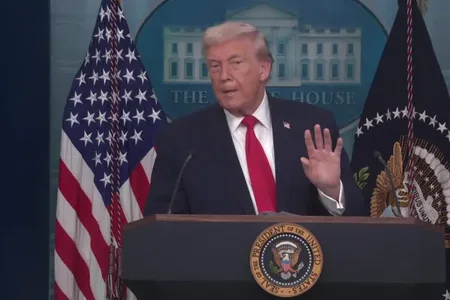
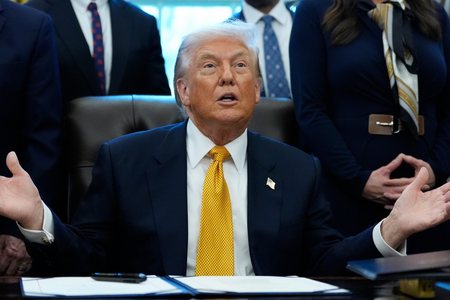
This Canadian military exercise coincides with the increasingly provocative rhetoric of Donald Trump, who, after returning to the White House, has publicly reiterated that he wants Canada as the 51st state of the US.
In another provocation on the night between Monday and Tuesday, Trump published on the Truth Social network an image created with artificial intelligence, where he appears in the Oval Office with European leaders in front of a map where the American flag covers not only the USA, but also Canada, Greenland and Venezuela.
According to Canadian military analysis, in the event of an invasion from the south, US forces would be able to neutralize key strategic points in Canada within two to seven days. In this case, Ottawa's response would involve a form of internal resistance with guerrilla tactics and actions similar to the war in Afghanistan.
Ironically, Canada is not only a founding member of NATO, but also a partner of the US in continental air defense through the joint command NORAD (North American Aerospace Defense Command).
But in the Trump era, even traditional allies feel insecure and begin to prepare for scenarios that until yesterday seemed impossible. And when the potential threat comes from the closest historical ally, any international red lines begin to fade.






Lini një Përgjigje