


 Shkruar nga Pamfleti
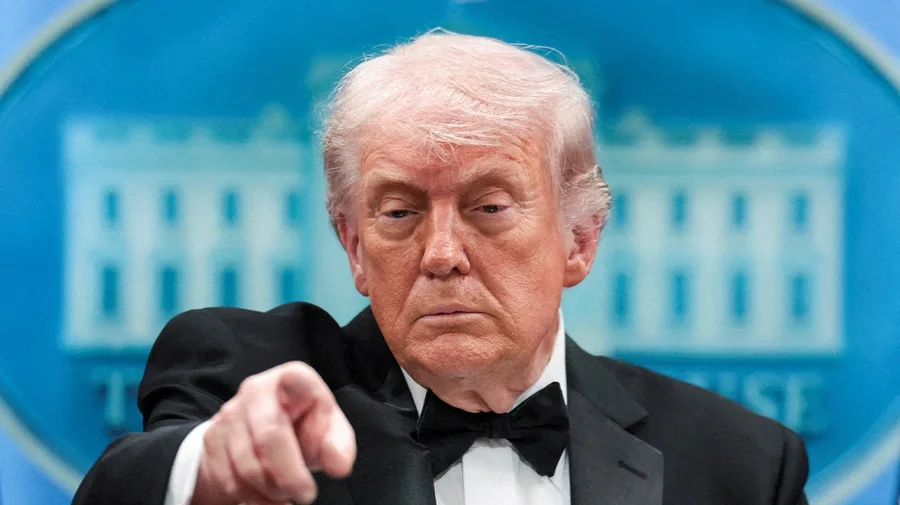
The White House has officially told Congress that it considers the war with Iran "over," despite the presence of US armed forces in the region.
It's a 60-day period that began when the US launched its first attacks on Iran. This is due to the War Powers Resolution of 1973, which instructs the president to seek authorization from Congress for war if a military conflict reaches the 60-day threshold.
Those 60 days are up today. This law allows a president to request a 30-day extension, if necessary, to safely remove troops from the region.
But Donald Trump has done neither. Instead, he said he doesn't need authorization because a ceasefire is in place.
The war is over, but is it really so?
In two letters he wrote, one to each house of the US Congress, he stated: "On April 7, 2026, I ordered a two-week ceasefire. The ceasefire has since been extended. There has been no exchange of fire between United States Forces and Iran since April 7, 2026. Hostilities that began on February 28, 2026 have ended."
Despite the "success" of American operations, he said, the threat Iran poses to the US "remains significant," suggesting that the war is not truly over.
"I have directed and will continue to direct the Armed Forces of the United States in accordance with my responsibilities and in accordance with my constitutional authority to direct the foreign relations of the United States and as Commander in Chief and Chief Executive Officer ," the president added in the letter.








Lini një Përgjigje