


 Shkruar nga Pamfleti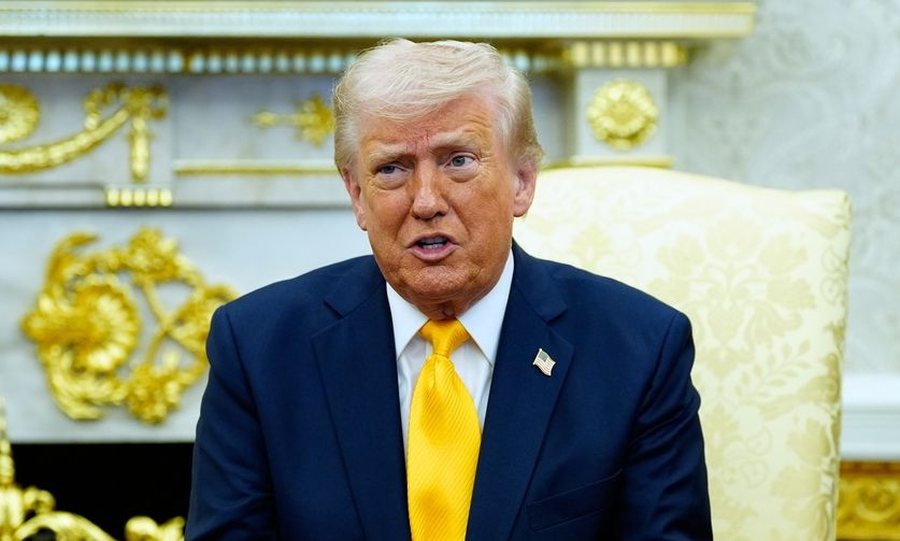
US warns of strikes on energy infrastructure if Strait of Hormuz not opened
US President Donald Trump has sent a new threatening message to Iran via the Truth Social platform. In a post in large letters, he wrote: "Peace through strength, to put it mildly!!!".
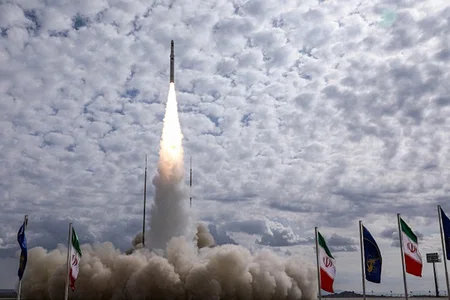
Meanwhile, Washington's ultimatum to open the Strait of Hormuz appears to have yielded no results. On Monday, the Iranian Revolutionary Guard responded by warning: "If you attack energy facilities, we will attack too."
According to the analysis company Kpler, commercial traffic in the strait has been reduced by about 95% since the escalation of the conflict in the Middle East. Currently, only a very limited number of cargo ships and oil tankers pass through this strategic route.
At the same time, the US has kept the duration and ultimate objectives of the military operations unclear. Israel has said it is preparing for "weeks of fighting" against Iran and Hezbollah, the Lebanese Shiite movement backed by Tehran.
The Israeli Chief of Staff, Major General Eyal Zamir, announced the intensification of ground operations and strikes in Lebanon to remove the Hezbollah threat from the border. The Israeli army has destroyed a strategic bridge in southern Lebanon, which it considers to be used by Hezbollah.
Lebanon's President Joseph Aoun described the development as a "prelude to a land invasion" and condemned what he called a violation of the country's sovereignty, AFP reports.
Meanwhile, international concern grows over attacks on nuclear facilities. The Director-General of the World Health Organization, Tedros Adhanom Ghebreyesus, declared that the conflict had entered a "dangerous phase" and called on the parties to show maximum restraint to avoid nuclear accidents.
In southern Israel, two Iranian attacks wounded more than 100 people, according to the official toll. One of the missiles hit an area near the nuclear research center in Dimona, a top-secret facility.
Israel is widely considered the only state in the Middle East to possess nuclear weapons, although it maintains a policy of strategic ambiguity on the issue.
Iran said the attacks on Dimona were in response to an earlier strike on the Natanz nuclear complex. Iranian authorities said no radioactive leaks had been recorded.
Following these developments, the International Atomic Energy Agency called for maximum military restraint.
The conflict has had a direct impact on global energy markets. The price of WTI oil has crossed the $100 per barrel mark. According to Patrick Pouyanné, CEO of TotalEnergies, around 10 million barrels of oil per day cannot currently be exported from the Gulf.
About 20 countries, including the United Arab Emirates, Britain, France and Japan, have declared their willingness to contribute to the reopening of the Strait of Hormuz, although their approaches differ.
In Tehran, the intensity of the bombings has eased somewhat in recent days, but uncertainty remains high. "The only thing we feel in common is the uncertainty about the end of this war," a 31-year-old resident of the city told AFP.


Lini një Përgjigje