


 Shkruar nga Pamfleti
A senior Iranian official said Iran is prepared for a long war with the United States and signaled that the country could continue attacks on Gulf countries to push them to pressure US President Donald Trump to withdraw from the conflict.
The statement was made in an exclusive interview with CNN in Tehran by Kamal Kharazi, a foreign policy adviser in the office of Iran's Supreme Leader. He said he currently sees no room for diplomacy and that the war can only end when economic pressure forces other countries to intervene.
"I don't see any room for diplomacy anymore. Donald Trump has deceived others and has not kept his promises. We have experienced this twice during the negotiations, while we were negotiating, they attacked us," Kharazi told CNN.
According to him, only a huge increase in economic pressure on other countries can push them to intervene to ensure that US and Israeli attacks on Iran stop. Kharazi suggested that Gulf Arab countries and other international actors should put pressure on the US to end the conflict.
He stressed that the war has already caused global economic consequences, including rising inflation and energy shortages. According to him, if the conflict continues, pressure on other economies will increase and they may be forced to intervene.
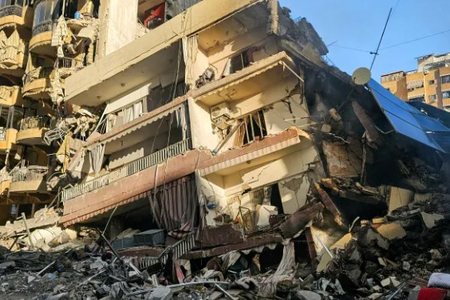
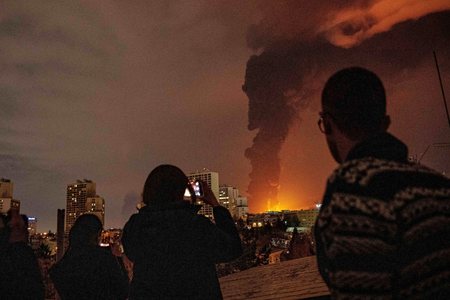
Since the start of the war between the US, Israel and Iran, Tehran has struck several countries in the Middle East. Iranian authorities say they are targeting US interests in the Gulf countries, but the attacks have also hit civilian areas and airports.
The conflict has shaken the global energy trade. Maritime traffic in the Strait of Hormuz has been significantly reduced and the price of oil has risen above $100 a barrel.
According to historical data from Rapidan Energy Group, about 20% of global oil supply has been disrupted due to the conflict, a level higher than that during the Suez Crisis in 1956–1957.
Meanwhile, a spokesman for the Islamic Revolutionary Guard Corps (IRGC) stated that Iran is using about 60% of its military capabilities to strike US bases and strategic targets in the region.
Over the weekend, Mojtaba Khamenei, the second son of former supreme leader Ali Khamenei, assumed the highest post in the country, a development that analysts link to the possibility of further escalation of the conflict.
Kharazi told CNN that the Iranian political leadership and military are united in this regard. He stressed that the supreme leader's duty is to direct Iran's defense capacity and that this will continue under the new leadership.
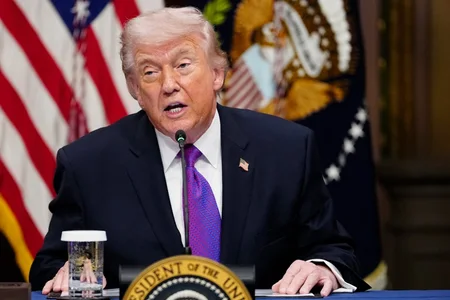
US President Donald Trump declared last week that the appointment of Mojtaba Khamenei as his father's successor is "unacceptable." Kharazi rejected that position, saying, "That's none of his business."


Lini një Përgjigje