


 Shkruar nga Pamfleti
The Venezuelan president also owns large amounts of jewelry and has been linked to activities such as illegal gold mining and others with significant profits.
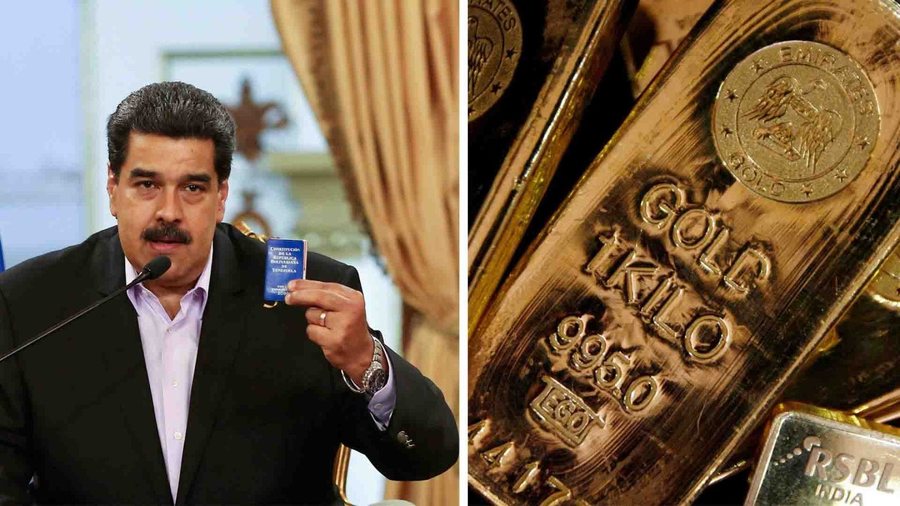
Following the capture of Nicolás Maduro on January 3, 2026 by US forces, there has been an increase in interest in the wealth he is said to have accumulated over the years.
The debate centers on the value of private jets, jewelry and other assets, as well as the measures that international authorities have taken to prevent their concealment or misuse. According to US authorities, Maduro's assets have been distributed around the world, including through persons acting on behalf of others.
The international organization Transparency Venezuela estimates that Maduro could own a fortune of up to $3.8 billion, a figure considered a provisional estimate of the wealth accumulated during more than two decades of political control of the "chavista" government in Venezuela.
Reports from non-governmental organizations and media mention that Maduro owns several residences in Miami, in exclusive areas such as Coral Gables and Sunny Isles Beach, as well as villas in the Dominican Republic.
According to these sources, the Venezuelan president also owns large amounts of jewelry and has been linked to activities such as illegal gold mining and others with significant profits.
How was Maduro captured by the US in 46 seconds?
The deadline expired at 4:46 a.m. European time. The operation, dubbed "Maduro Out," had been in the works since last summer, when Donald Trump authorized the CIA to conduct covert operations in Venezuela.
The objective was clear: to follow the Venezuelan leader step by step, study his security circle, and identify weak points in the regime's military and defense apparatus.
American agents operated for months on the ground, combining classic infiltration methods with advanced technologies, including drones and satellite intelligence. At the same time, Washington also sought internal support within Venezuelan structures, a detail considered essential to the success of the operation.
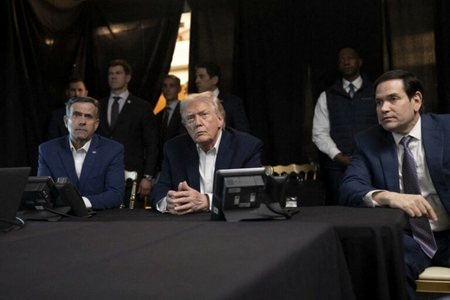
On the other hand, Secretary of State Marco Rubio developed secret political contacts. He himself admitted that he had offered Maduro a way out “several times,” without ever clarifying what this offer specifically included. The negotiations failed, and at that moment the military plan was activated.
The final order was given just after Christmas, but weather conditions postponed the operation until the right moment.
The mobilization was massive: over 150 aircraft, including F-35s, B-1 bombers, drones and helicopters, took off from about 20 bases inside and outside the United States, as well as from aircraft carriers at sea. The elite Delta Force units were on the front lines.
Airstrikes hit several strategic targets in and around Caracas. After neutralizing the air defenses, Apache helicopters landed Delta Force units inside the perimeter of the residence. The electricity was cut, the barriers were breached, and special forces entered the compound.
The presidential couple was resting on the ground floor.
Within 46 seconds, special forces stormed the bedroom. Maduro tried to flee to an adjacent armored room, but was stopped. His wife lay motionless on the bed. Maduro was handcuffed.
It was FBI agents who served him with the arrest warrant issued by New York prosecutors. "This is not an act of war, but the implementation of a court decision," Rubio stressed.
The most delicate phase remained the departure. Maduro and his wife were quickly transported to helicopters and removed from Venezuelan airspace. Off the country's coast, a US Navy fleet, led by the aircraft carrier Iwo Jima, was waiting. At 4:29 a.m. local time, the Apaches landed on the ship's deck.
A few hours later, Trump posted a photo of Maduro in handcuffs, wearing a gray suit and dark glasses. A new chapter, with many questions, had just begun.


Lini një Përgjigje