


 Shkruar nga Pamfleti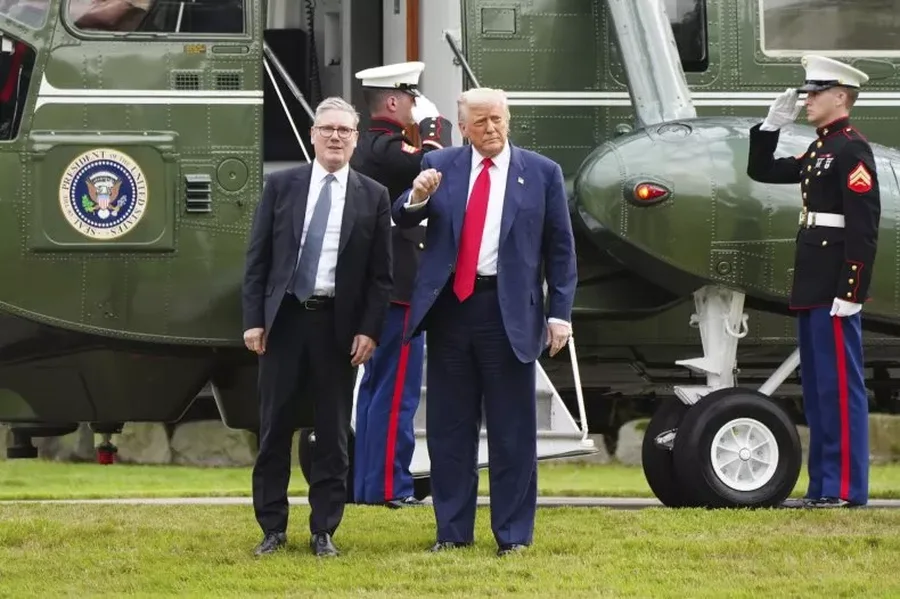
The United States is still allowing American military products to go to Ukraine, they are just forcing the Europeans to pay for them...
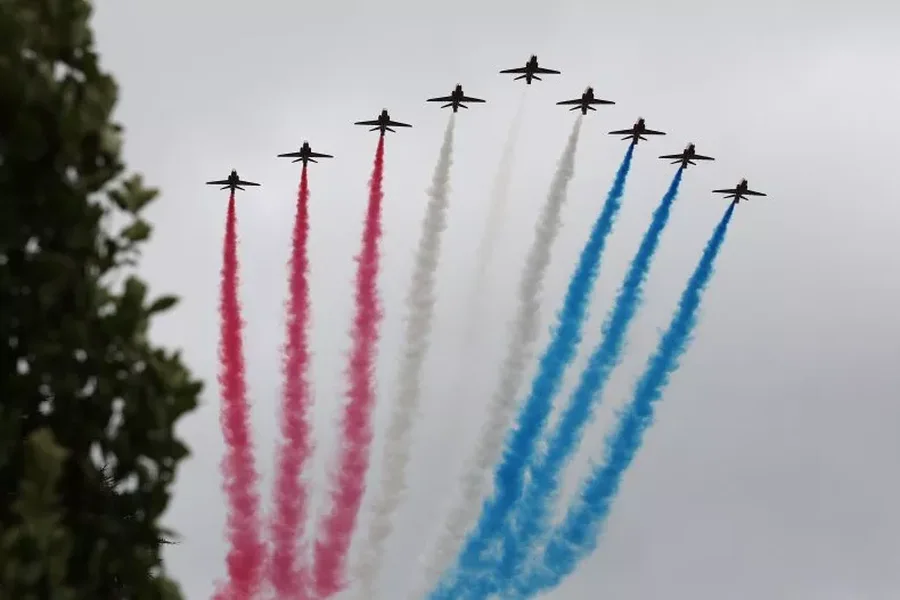
America's special bond with the United Kingdom was on full and dazzling display this week during President Donald Trump's pompous second state visit to Britain.
But Prime Minister Keir Starmer has taken a bigger role in the war along with other European leaders in response to Trump's growing frustration with the conflict.
"The US has taken a step back, at least in terms of providing material support to Ukraine, which has put a greater burden on Europe to take over this gap," John Herbst, a former US ambassador to Ukraine, told Newsweek.
The United States, under former President Joe Biden, led the international coalition that supported Ukraine after Russia's full-scale invasion in 2022. Trump returned to office promising to end the war, but he has also questioned whether Washington should continue to provide military aid to Kiev and has shown reluctance to impose further sanctions on Russia.
With Trump's second term still in its early stages, analysts said it is too early to conclude that the US has completely relinquished its leading role in resolving the conflict to Britain, France and other allies.
However, recent moves suggest that the Trump administration is content to let other nations take more responsibility for arming Ukraine.
Shortly before Trump's state visit to the United Kingdom, the administration reportedly approved a first round of arms shipments to Ukraine, which were purchased from NATO members. The shipments are part of a deal Trump announced in July to have allies buy weapons for Kiev from U.S. stockpiles, a shift from the Biden administration's policy of providing billions of dollars in direct military aid to Ukraine.
The comments, combined with the president's latest public expressions of anger over stalled peace talks between Kiev and Moscow, reflect his growing frustration with a war he promised to end within the first 24 hours of returning to office.
“The United States is still allowing American military products to go to Ukraine, they’re just making the Europeans pay for them,” said Jeff Rathke, president of the American-German Institute at Johns Hopkins University. “It’s not a complete abandonment, but it’s also not the same as leadership.”
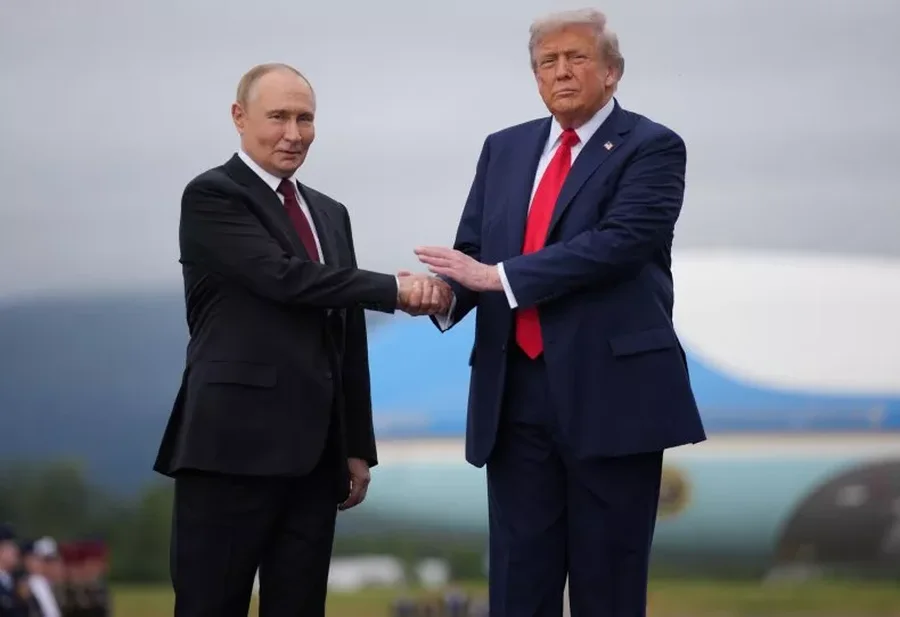
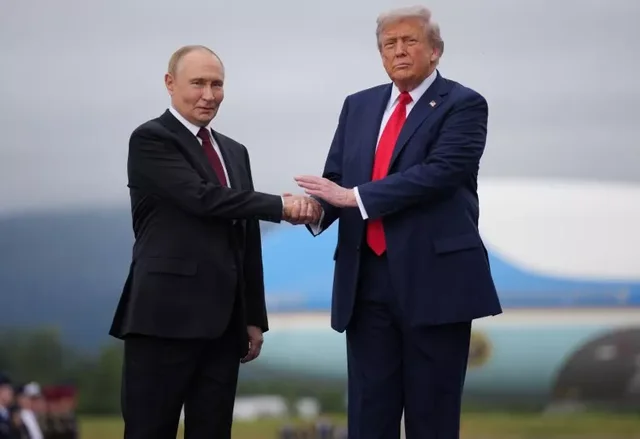
Trump has at times tried to play a central role as chief negotiator in an effort to end the more than three-year-old war. He has met with Ukrainian President Volodymyr Zelensky and held a summit in Alaska last month with Russian President Vladimir Putin.
But the administration's focus on Ukraine has also been sidelined time and time again in the face of other pressing issues, from Trump's domestic legislative agenda and immigration crackdown to the recent killing of conservative activist Charlie Kirk.
This created a space that Starmer, French President Emmanuel Macron and other European leaders have tried to fill.
In March, Macron announced that France would offer Ukraine $2 billion in military aid. Macron made the announcement at an event with Zelensky, where he urged Russia to agree to a ceasefire without preconditions.
Macron said earlier that more than two dozen countries had agreed to form a "Coalition of the Willing" led by the United Kingdom and France to support Ukraine. There has also been growing support in Europe for providing peacekeeping troops to Ukraine after the war. Zelensky has said security guarantees for Ukraine must be included in any negotiated settlement with Russia.
Ahead of Trump's state visit to the UK, Zelensky said he hoped Starmer would discuss security guarantees for Ukraine during his meeting with Trump.
"Before we end the war, I really want all the agreements to be in place," Zelensky told Sky News. But he added, "for that to happen, we need a clear position from President Trump."
As Trump's stance on Ukraine continues to shift, analysts say Europe has no choice but to increase support for Kiev. That reality was made clear by Russia's drone incursion last week into Poland, a NATO member state.
"The incursion of a Russian drone into Polish airspace last week only underscores the weaknesses that are becoming increasingly apparent," Rathke said. According to him, there is no single country in Europe that can fulfill the role that the United States has usually had in the past.
But European countries "are trying to find new ways to create structures that will be effective in providing Ukraine with the resources and support it needs to defend itself." / Adapted from Newsweek/


Lini një Përgjigje