


 Shkruar nga Cas Mudde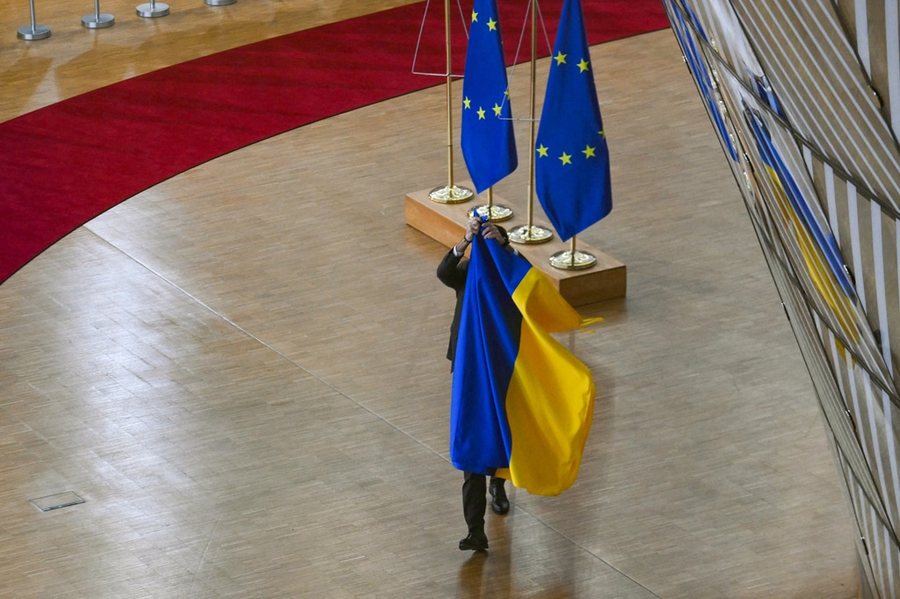
The real challenge for the European Union comes from Washington, where Donald Trump will return to power on January 20.
It is commonly believed that the European Union makes more progress in times of crisis. If this is true, 2025 would undoubtedly be a great year for Europe. Sadly, this mentality is especially prevalent within the Brussels bubble, where people are more concerned with wishful thinking than with political reality.
In fact, most of the “progress” the union makes during “crises” is about avoiding facing problems or finding a solution that inevitably leads to another critical situation. And this attitude will almost certainly lead to another “crisis” this year, or at least to a significant challenge for Europe.
At the end of 2024, the governments of France and Germany, which form the so-called “engine of European integration,” have lost their parliamentary majorities and are moving forward with great difficulty. Germany will hold early parliamentary elections next month.
But while polls show a clear winner - the conservative Christian Democratic Union CDU/CSU - forming a coalition will be difficult given the strength of the Alternative for Germany (AfD), one of the few far-right parties against which other forces have still applied a "cordon sanitaire" policy.
In contrast, French President Emmanuel Macron continues to stubbornly favor coalition governments that lack a valid parliamentary majority.
And as often happens when faced with a lack of domestic progress, the French president turns his attention to foreign policy, especially European policy.
Bypassing Germany, especially regarding the war in Ukraine, he is increasingly seeking support in Central and Eastern Europe, especially in Poland, enthusiastically supported by the new High Representative of the European Union for Foreign Affairs and Security Policy, the Estonian Kaja Kallas, considered extremely anti-Russian.
But despite the enthusiasm for maintaining a tough stance towards Moscow and strong support for Ukraine from some leaders in the region, the strongest opposition to this line comes from the east of the continent (especially from Hungary and Slovakia).
Of course, the real challenge for the European Union comes from Washington, where Donald Trump will return to power on January 20. Despite having no vision for an alternative world order, the US president-elect is risking much of his political image by “bringing peace” to Ukraine, and ensuring that the United States no longer provides financial and military aid to Kiev.
Sa i përket Evropës, Trump është anti-Biden, një atlantist i epokës së Luftës së Ftohtë, në kundërshtim me shumë anëtarë të partisë së tij dhe me një pjesë të elektoratit të tij. Për Trump, BE është së pari një konkurrente dhe pastaj aleate. Po kështu, ai e sheh NATO-n më shumë si një vend ku ofrohet mbrojtje në këmbim të parave, sesa si një aleancë të sigurisë kolektive.
Sigurisht, rikthimi i tij në krye të SHBA-së do ta ndryshojë Evropën, por mbetet të shihet nëse kjo do të jetë në drejtim të përparimit. Së pari, ai do të fuqizojë këshilltarët e Trump” të ekstremit të djathtë, si Viktor Orbán në Hungari dhe Giorgia Meloni në Itali.
Më pas, do të sjellë normalizimin e plotë të ideve dhe linjës së tij politike. Kjo jo vetëm që do ta shtyjë BE-në akoma më në të djathtë për çështje si kriza klimatike dhe migracioni - siç edhe ka ndodhur në zgjedhjet e mëparshme evropiane - por ka të ngjarë të dobësojë edhe mbështetjen për Ukrainën.
Por më e rëndësishmja, zëvendësimi i Biden me Trump do të rëndojë vetë gjendjen e Bashkimin Evropian. Edhe nëse Trump nuk e saboton atë në mënyrë aktive duke vënë qeveritë e tij kundër njëra-tjetrës apo bojkotuar politikën e saj të jashtme duke mbështetur forcat politike që e kundërshtojnë atë, tërheqja e Shteteve të Bashkuara nga Evropa do të lërë një boshllëk politik të madh, që do të duhet të mbushet nga vetë BE dhe vendet e tij anëtare.
Edhe nëse për të flitet rrallë, Shtetet e Bashkuara kanë kontribuar ndjeshëm në formimin dhe suksesin e Evropës, duke ushtruar presion mbi veprimet dhe vendimet e BE si gjatë dhe pas Luftës së Ftohtë. Po tani blloku po e humbet njëkohësisht mbështetësin dhe mbrojtësin e tij më të fortë, teksa është më i përçarë se kurrë më parë dhe kur “motorit” të tij tradicional po i mbaron karburanti.
Krizat nuk është e pamundur të kapërcehen, gjë që Evropa e ka bërë në shumicën e kohës, sidomos kur ka pasur mundësi të fshihej pas shpinës së një superfuqie. Por tani ajo duhet të gjejë jo vetëm politikat e saj të jashtme dhe të sigurisë, por edhe mjetet financiare dhe ushtarake për t’i garantuar ato.
Dhe kjo në një kohë kur e djathta ekstreme po luan një rol gjithnjë e më të rëndësishëm në shumicën e vendeve të BE-së, dhe në të gjitha institucionet kryesore të tij, dhe kur ka një bashkëbisedues dashamirës në Shtëpinë e Bardhë.
Aspekti më befasues i kësaj situate, është se ajo ishte shumë e dukshme për gati një dekadë. Ju mund ta fajësoni Trumpin për shumë gjëra, por jo që ai ka qenë i paqartë mbi atë që dëshiron ose jo. Në mandatin e tij të parë, ai tregoi se e mban atë që premton, dhe se maksimumi “të rriturit në dhomë” mund të kufizojnë vetëm dëmin.
But in typical European fashion, the EU sidelined the issue, quickly forgetting about it as Joe Biden restored transatlantic relations to their 20th-century heyday. Torn by internal divisions – both at European and national levels – European politicians chose to ignore the “elephant in the room,” even though it was staring them in the face, smiling.
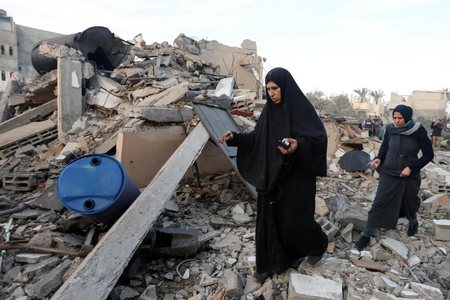
And while debates over “strategic autonomy” are once again dominating the Brussels bubble, and hundreds of articles and editorials argue its importance, the European Union has once again fallen behind. Without a vision, and internally divided and weakened, it will be forced to play a much larger role in the world’s major conflicts, from Gaza to Syria, to Russia and Ukraine, and will have to act largely alone and in emergencies, unsupported by the United States, or for that it will have to wait several years.
A truly bleak vision. Of course, except for those who live in the Brussels bubble and believe that Europe thrives precisely in times of crisis./ Adapted from "Pamphlet" by "Internazionale"




Lini një Përgjigje