


 Shkruar nga Pamfleti
Even if the memorandum is approved, the handling of the nuclear threat still remains unclear and without binding guarantees, leaving open the possibility of new disputes in the future.
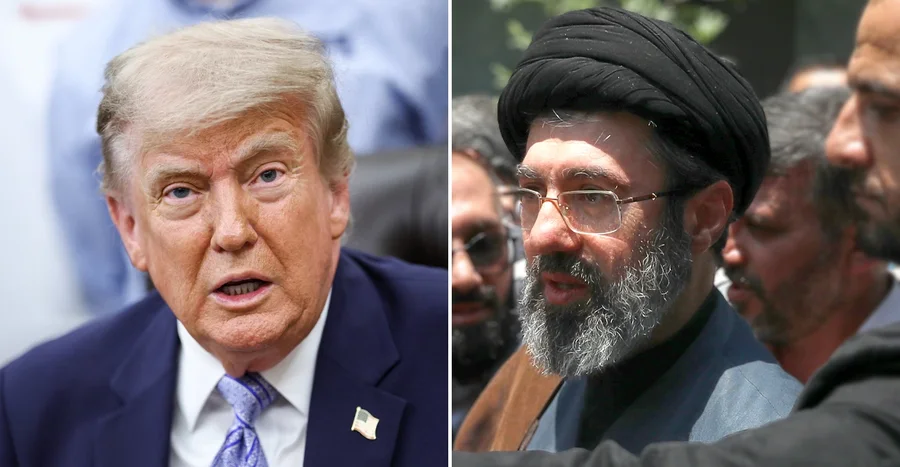
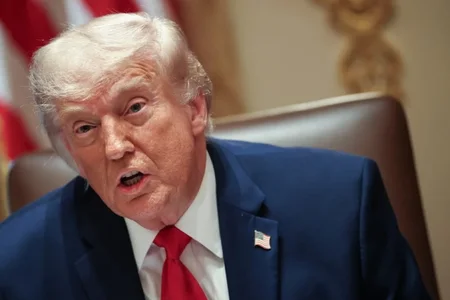
The US-Iran deal appears to be one step away from being finalized, but Mojtaba Khamenei's final decision continues to be delayed. The hesitation of the new Iranian supreme leader's camp has caused discontent in Washington, where Donald Trump, during a two-hour meeting at the White House, ordered that new changes to the draft memorandum of understanding be communicated to the Iranian side.
After several days of silence from the Supreme Leader of Iran, a silence that was interpreted as a lack of approval for the agreed draft of the ceasefire and the start of a new phase of negotiations between Iran and the United States, the US president reacted by demanding a tougher terms for the agreement.
Frustrated Trump demands stronger conditions
According to an official familiar with the developments, quoted by Axios, Trump is angry because the United States, its allies and the international community continue to await a decision from Iranian leader Mojtaba Khamenei, who succeeded his father as leader of the country after his assassination at the start of the war in late February. This comes while the draft memorandum has already been approved by negotiators on both sides.
On Friday, the US president ordered that Iranian authorities be informed of the changes he wants to make to the draft, essentially toughening the terms that had been negotiated earlier by his envoys, Steve Witkoff and Jared Kushner.
Trump again demanded that Iran clearly commit that it "will never possess a nuclear weapon or bomb" and that its stockpile of highly enriched uranium, which he described as "nuclear dust," be confiscated and destroyed by the US in cooperation with Tehran and the International Atomic Energy Agency.
He also announced that “there will be no exchange of funds until further notice,” signaling his opposition to the immediate lifting of sanctions that Iran had expected to benefit from under the initial draft. Trump added that other, less important issues had already been agreed upon.
The US president's tightening of conditions further complicates the negotiation process, which has been fraught with uncertainty from the beginning.
The main obstacle remains Khamenei's approval
According to three sources who have seen the draft memorandum, the delays are not related to the wording of the document, but to the fact that final approval has not yet been given by Mojtaba Khamenei.
Të njëjtat burime bëjnë të ditur se katër negociatorët kryesorë – Abbas Araghchi dhe Mohammad Bagher Ghalibaf nga pala iraniane, si dhe Steve Witkoff dhe Jared Kushner nga pala amerikane – kanë arritur marrëveshje mbi tekstin e memorandumit.
Megjithatë, dokumenti nuk përbën një marrëveshje përfundimtare dhe të detajuar. Ai është një dokument parimor që synon të ndalojë luftën dhe të hapë rrugën për negociata më të gjera mbi një marrëveshje afatgjatë.
Teherani vështirë se do të pranojë ndryshimet e Trump
Ky dallim është i rëndësishëm, pasi disa media amerikane kanë raportuar se drafti përmban zgjidhje të plota dhe detyruese për programin bërthamor iranian. Burimet që kanë parë dokumentin thonë se kjo nuk është e vërtetë.
Sipas tyre, drafti aktual nuk përmban mekanizma të qartë për largimin e uraniumit të pasuruar dhe as angazhime konkrete lidhur me prodhimin e armëve bërthamore.
Një nga burimet vlerësoi se vetë Trump e kupton se Irani nuk ka gjasa të pranojë ndryshimet e tij.
“Mendoj se edhe ai vetë e kupton këtë. Ndryshimet i bëri nga irritimi që po mbahet në pritje dhe për të ushtruar presion ndaj Mojtaba Khameneit që të përgjigjet për draftin fillestar”, tha burimi.
Sipas të njëjtit vlerësim, do të ishte e vështirë të imagjinohej që Trump të refuzonte një marrëveshje të negociuar nga Witkoff dhe Kushner, të cilët konsiderohen ndër bashkëpunëtorët e tij më të afërt dhe më të besuar.
Khamenei komunikon përmes ndërmjetësve
Vonesat nga pala iraniane lidhen edhe me rrethanat e veçanta që rrethojnë vetë Mojtaba Khamenein.
Sipas raportimeve, ai ndodhet në një vend të fshehtë prej gati tre muajsh, në kushtet e përshkallëzimit të tensioneve me SHBA-në. Ai u largua nga skena publike pas sulmit amerikano-izraelit të 28 shkurtit ndaj Teheranit, ku mbeti i vrarë babai i tij.
Raportet mediatike pretendojnë gjithashtu se vetë Khamenei u plagos rëndë gjatë sulmit, ndërsa sekretari amerikan i Mbrojtjes, Pete Hegseth, e përshkroi atë si “të plagosur dhe ndoshta të shpërfytyruar”. Në të njëjtin sulm humbën jetën edhe bashkëshortja dhe djali i tij.
Sipas informacioneve të disponueshme, komunikimi mes liderit iranian dhe ekipit negociator realizohet përmes ndërmjetësve, ndërsa përgjigjet mbërrijnë me vonesa prej disa ditësh.
Për këtë arsye, konsiderohet pak e mundshme që Trump të nënshkruajë ndonjë marrëveshje përpara se të marrë konfirmimin përfundimtar se dokumenti është miratuar personalisht nga Khamenei.
Çfarë përmban memorandumi?
Drafti i memorandumit përfshin gjashtë pika kryesore:
-A cessation of hostilities not only between the US and Iran, but also in Lebanon. This provision could have significant consequences for Israel, as it could limit its actions against Hezbollah.
-A 60-day negotiation period for the final agreement, with the possibility of extension. During this time, the parties will discuss the nuclear program, sanctions, frozen Iranian assets, and other regional issues.
-The restoration of free navigation in the Strait of Hormuz and the lifting of the US blockade of Iranian ports, with the return of maritime traffic to pre-war levels.
-Regarding Iran's nuclear program, the draft remains general and vague. It does not contain clear mechanisms for the removal of enriched uranium or concrete guarantees to stop the development of nuclear weapons. These issues will be discussed in the final agreement.
-The gradual release of frozen Iranian assets abroad, depending on the progress of the negotiations.
The lifting of primary and secondary sanctions on Iran in the event of a full agreement.
-The draft also mentions the creation of an international investment fund for the reconstruction of the damages caused by the war, but without specifying a concrete amount or the participation of the US.
The dangers of delay
Sources point out that the delay in the approval of the draft by Mojtaba Khamenei remains the main obstacle to advancing the process. Both Washington, Tehran and the mediating countries are awaiting his decision.
This situation creates several risks. Trump could interpret the delay as an Iranian attempt to buy time, which would strengthen the positions of opponents of the deal in both countries. At the same time, the risk of limited military escalation increases, especially in Lebanon and the Strait of Hormuz.
Finally, the fact that the nuclear issue has been postponed to the next phase of negotiations creates serious uncertainty. Even if the memorandum is approved, the treatment of the nuclear threat still remains unclear and without binding guarantees, leaving open the possibility of new disputes in the future.



Padeofilet gjithnje duan 200 me pak se muajshe, te rruajtur e te lare e virgjin. E po keshtu nuk eshte e lehte o tarikati padeofile.