


 Shkruar nga Gavin Mortimer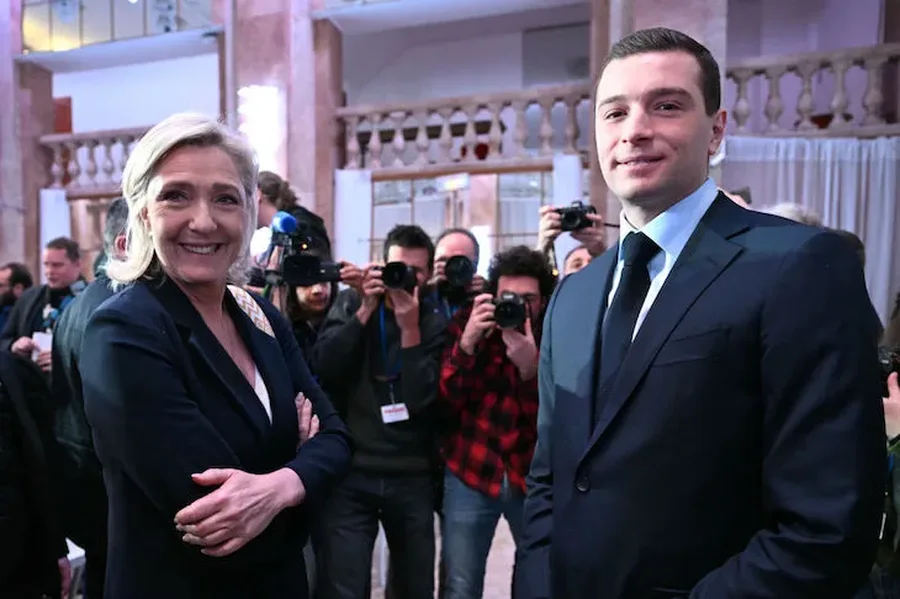
Perhaps Europe will become "ungovernable" if the elections in June are skewed to the extreme right. But tens of millions of Europeans would rather have an ungovernable EU than an EU that governs them with arrogant indifference, and leaves them poor and insecure...
A friend of mine intends to vote for the National Rally in the European Parliament elections to be held in early June. In itself, this is nothing unusual:
13.2 million people voted for Marine Le Pen in the 2022 presidential election, and 88 of her candidates were then elected MPs in the parliamentary elections that took place a few weeks later.
The unusual thing about my friend is that she is French of Algerian origin.
And she tells me that she is not an exception in her social circle. She tells me that it is lawlessness, and the indifference of Emmanuel Macron and his government to thugs, extremists and drug traffickers, that make life so miserable for so many working-class families in the poorest neighborhoods of French cities.
But her support for the National Rally comes with a condition: she and her Muslim friends would never vote for Marine Le Pen. The legacy of her father, Jean-Marie Le Pen, founder of the National Rally (or as it was originally the National Front), is still very toxic.
But Jordan Bardella is different. The 28-year-old chairman of the National Assembly is the candidate of his party in the European elections, and he is exactly the one who seduces my friend. Like her, Bardella comes from Seine-Saint-Denis, the poorest neighborhood in the north of Paris.
This is one of several factors that give the young politician an advantage. When he talks about the difficulties facing the most disadvantaged members of society, there is an originality unmatched by any of his political rivals. Bardella was raised in a modest apartment by a divorced mother, an immigrant from Italy.
Another element that attracts the electorate is Bardella's young age. In a recent phone call, a young man from southern France asked Bardella to run for president in 2027, as he will have his vote and that of his friends. All of them believe that he can revive France.
However, the caller added, embarrassing Bardella: "We vote for you, and not for your party, because only you speak for young people." In the annual list of the most popular French personalities, only one politician ranked in the top 50 in 2023: Bardella was ranked 30th.
Retorika e tij prek çështjes e klasës, gjinisë, moshës dhe përkatësis etnike. Edhe një murator në moshë të mesme që po punon në shtëpinë time në Burgundy, është gjithashtu një fans i këtij politikani të ri. Fenomeni Bardella, përbën një problem serioz për elitën franceze.
Emërimi i 34-vjeçarit Gabriel Attal si kryeministër i Francës, konsiderua nga disa analistë si strategjia ‘anti-Bardella’ e Macron. Por a janë që të dy këta pjesë e Brezit të Mijëvjeçarit të Ri? Ideologjikisht janë në pole të ndara, njëri progresist borgjez dhe tjetri ‘populist’ i klasës punëtore, një term që përdoret për cilindo që e sfidon dogmën progresive.
Por emërimi i Attal si kryeministër, nuk duket se do të ndryshojë qasjen e shumicës së votuesve përpara zgjedhjeve evropiane. Një sondazh i javës së kaluar, raportoi se epërsia e Tubimit Kombëtar ndaj partisë Rilindja e Macron është tani 12 për qind, ose 1.5 për qind më shumë se sa në një sondazh të ngjashëm në fillim të muajit.
Problem për elitën franceze është edhe një frika që kanë centristët e Evropës, qofshin këta politikanë apo gazetarë. Gazeta gjermane “Die Zeit”, botoi kohët e fundit një artikull ku paralajmëronte se Evropa “rrezikon të zhvendoset djathtas në zgjedhjet e qershorit”, një prirje të cilën ajo e shpjegon me “ksenofobisë, euroskepticizmin dhe shfrytëzimin e pakënaqësisë popullore nga këto parti”.
Por në të, nuk jepej asnjë provë për të mbështetur këtë deklaratë. Madje sondazhet tregojnë një histori tjetër. Në Francë, sondazhet nxjerrin fuqinë blerëse dhe rritjen e kostove të jetesës në krye të shqetësimeve kryesore të votuesve të Tubimit Kombëtar. E njëjta gjë vlen edhe për Gjermaninë.
Sigurisht, këto nuk janë çështje për elitën evropiane, e cila s’ka arsye të shqetësohet nëse ka mjaftueshëm para për të arritur deri në fund të muajit. Ekzistojnë disa arsye pse fermerët në mbarë kontinentin kanë nisur protestat masive. Por e përbashkëta midis tyre, është rënia e dukshme të ardhurave në fillim të këtij shekulli.
Gati 1 në 5 fermerë në Francë, jeton nën kufirin e varfërisë. Në vitin 2008, eurozona dhe SHBA-ja kishin PBB të krahasueshme, respektivisht 14.2 trilionë dhe 14.8 trilionë dollarë me çmimet e sotme. Por vitin e kaluar, Prodhimi Bruto i Eurozonës ishte rritur në pak më shumë se 15 trilion dollarë, ndërsa ai e Amerikës arriti në 26.9 trilionë dollarë.
Nëse Franca do të ishte një shtet i SHBA-së, PBB-ja e saj për frymë do ta rendiste atë midis Idahos dhe Arkansasit, përkatësisht në vendin e 48-të dhe të 49-të. Gjermania do të renditej 39-ta, vetëm pas Oklahomës. Këto statistika nuk janë përmendur asnjëherë nga elita evropiane.
Në vend të tyre, njerëz si Ministri i ri i Jashtëm i Francës, Stéphane Séjourné, përdorin frikën, duke paralajmëruar se një votë për të djathtën ekstreme në zgjedhjet e Evropës do ta bëjë Evropën “të pa qeverisshme”.
But the EU is currently barely governing under its current coalition of centrist parties. It is economically and institutionally incapable of curbing illegal migration. Last week, the EU's border agency Frontex revealed that there were 380,000 irregular entries into Europe last year, a 17 percent increase compared to 2022, and the highest number since 2016.
In an interview given last week to a German newspaper, the head of Frontex, the Dutch Hans Leijtens, admitted that Europe has lost the battle to protect its borders, and people have to accept that fact. "Talking about detaining people and closing borders can't be our narrative all the time. Nothing can stop people from crossing a border, wall, fence, sea or river," he said.
In terms of a losing battle, Leijtens explained that his task now is to "achieve a balance between effective border management, and respect for basic human rights". It was a very honest statement from the man in charge of protecting Europe's borders.
But from the EU's point of view, it is probably the unwise thing to say just 5 months before the European elections. What about the basic rights of Europeans, most of whom - as polls regularly reveal - are against mass and uncontrolled migration. Doesn't their voice count?
Perhaps Europe will become "ungovernable" if the elections in June are skewed to the extreme right. But tens of millions of Europeans would rather have an ungovernable EU than an EU that governs them with arrogant indifference, and leaves them poor and insecure./ Adapted Pamphlet from "The Spectator"


Lini një Përgjigje