


 Shkruar nga Pamfleti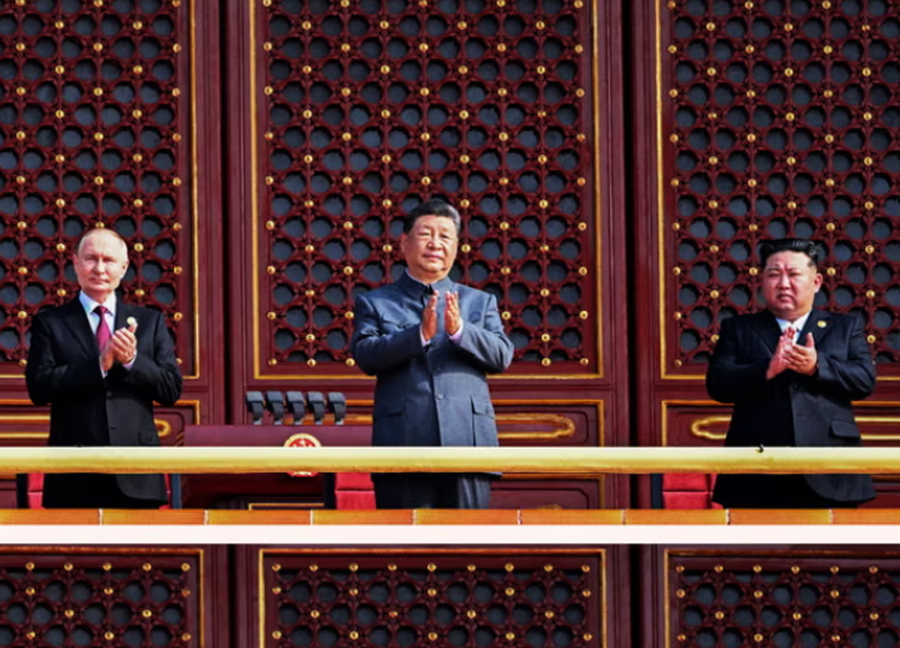
The alliance of global autocrats has been accelerated by Donald Trump's use of political and economic pressure against friends and enemies alike...
Greeting a cheering crowd of 50,000 spectators gathered in Beijing’s Tiananmen Square on Wednesday, Xi Jinping radiated an aura of confidence that many Western leaders would envy. To his left stood North Korea’s Kim Jong-un, the supreme leader of an increasingly reclusive and reclusive kingdom. To his right was Russian President Vladimir Putin, Xi’s “old friend” and China’s closest ally in challenging the U.S.-led world order. The last time the leaders of these three countries were together in public was at the height of the Cold War.
“Mankind is once again faced with the choice between peace or war, dialogue or confrontation,” the Chinese president told the assembled crowds. His insistence that China would “follow the path of peaceful development” was somewhat interrupted by the country’s largest military parade ever, which marched through the square below his rostrum atop the Gate of Heavenly Peace, the entrance to the Forbidden City that has been the seat of Chinese power on and off since the 15th century.
Alongside Xi, Putin, and Kim, a group of global autocrats solemnly watched the display of Chinese military power.
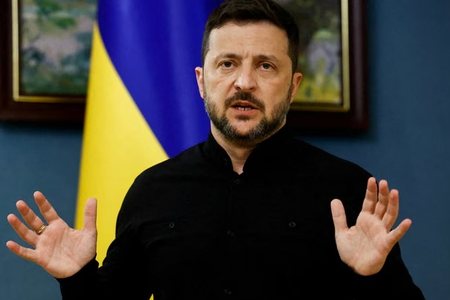
That same day, more than 8,600 kilometers away, Volodymyr Zelensky and his allies gathered in Paris for a summit on the future of Ukraine, a country that has been torn apart by war since Russia’s full-scale invasion in 2022. The “coalition of the willing,” led by the United Kingdom and France, did not include the United States. The optics of the new global order could not be clearer: an anti-Western bloc, led by China, on one side, and a Western alliance of democracies lacking its traditional leader in Washington, on the other.
China’s military parade, in which more than 10,000 soldiers marched in unison alongside a formation of nuclear missiles and sword-wielding underwater drones, was designed to celebrate the 80th anniversary of the end of World War II. The parade had two purposes: to promote the Chinese Communist Party’s narrative about its role in defeating the Japanese in 1945 and to showcase Beijing’s political and military might on the world stage in 2025. Both serve to underscore the legitimacy and power of the party, led by Xi, at home and abroad.
Faced with a challenging domestic economy and a bitter trade war with the US, the parade was also a chance for China's 72-year-old leader to drum up nationalism and provide what some analysts call a much-needed distraction from China's problems at home.
"This kind of event is never about building bridges ," said Yu Jie, a senior research fellow at Chatham House.
In Washington, D.C., there was a growing sense of unease as Xi greeted the leaders of some of the world’s most prominent states, including Russia, Iran and North Korea—a trio of countries that, along with China, have been described as the “axis of unrest.” It is a consolidation of alliances that has been accelerated by Donald Trump’s use of political and economic pressure against his friends and foes around the world.
“It’s being perceived as a turning point here in Washington, I think in Europe as well,” said Brian Hart, deputy director of the China Energy Project at the Center for Strategic and International Studies in Washington, D.C. Western governments are “seeing that Xi Jinping is redoubling his relations with these countries, despite concerns around the world.”
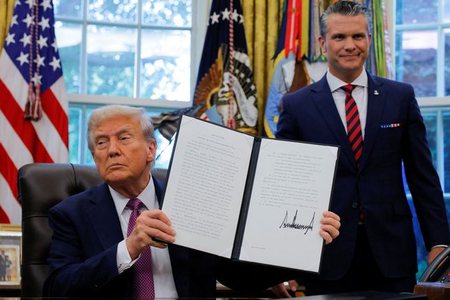
Trump, who staged his own somewhat lackluster military parade in Washington in June, reacted quickly on social media.
"I wish President Xi and the wonderful people of China a great and lasting holiday. Please extend my warmest regards to Vladimir Putin and Kim Jong Un as they plot against the United States of America," Trump wrote on Truth Social.
A Kremlin aide denied that any conspiracy was afoot in Beijing. "Nobody has plotted anything," said Yuri Ushakov.
While the concrete results of the parade and the meetings that followed between the delegations were limited - and many analysts thought that any real agreement to cooperate between the US rivals would remain hidden - foreign policymakers, such as the EU's foreign affairs chief, Kaja Kallas, warned in harsh tones that the meeting was "an authoritarian alliance seeking a rapid process towards a new world order".
But the "axis of unrest" is divided by significant internal divisions, analysts said, and the propaganda effect may have been greater than the real threat to the rules-based international order.
A Chinese academic said there were cracks in the seemingly strong anti-Western alliances, especially between the two most powerful members: China and Russia.
"China is pretending to have a strong relationship with Russia to counter pressure from the US and other Western countries," the academic said.
Edhe pse Kina është kritikuar për ofrimin e mbështetjes ekonomike dhe politike për luftën e Rusisë në Ukrainë, akademiku vuri në dukje se Moska iu drejtua Phenianit, jo Pekinit, për trupa shtesë në terren. Mendohet se Koreja e Veriut ka furnizuar rreth 15,000 trupa për forcat e armatosura ruse diçka për të cilën Putin e falënderoi Kim në Pekin.
Dhjetëra udhëheqës udhëtuan për në Kinë për konferencën ekonomike dhe të sigurisë, e cila ofroi një forum për rrjetëzim në një nivel që normalisht shihet vetëm në Kombet e Bashkuara.
Më i spikaturi midis të ftuarve ishte kryeministri i Indisë, Narendra Modi, marrëdhënia e të cilit me Kinën ka qenë e acaruar për shkak të një mosmarrëveshjeje kufitare dhe grindjeve tregtare. Disa ditë pasi u godit me tarifat amerikane prej 50% si ndëshkim për blerjen e naftës ruse, Modi shkroi në Twitter në rusisht për takimin e tij "të shkëlqyer" me Putinin në Tianjin.
Por kjo javë nuk ishte vetëm për diplomacinë. Ishte edhe për armët.
U zbuluan disa armë dhe avionë të zhvilluar rishtazi, duke përfshirë raketa hipersonike të projektuara për të rrëzuar anijet në det, dronë nënujorë dhe aeroplanë luftarakë elektronikë që mund të fluturojnë me avionë luftarakë për të ndjekur objektivat në lëvizje.
“A e dinim që Kina kishte një triadë bërthamore? Po, e dinim. Por, ky imazh e sjell vërtet në pah këtë. Kjo aftësi e dallon Kinën nga shtetet e tjera bërthamore, së bashku me Rusinë dhe SHBA-në”, tha Jennifer Parker, një bashkëpunëtore e asociuar në studimet detare në Universitetin e Uellsit të Ri Jugor, Canberra.
Veshja sipas rastit
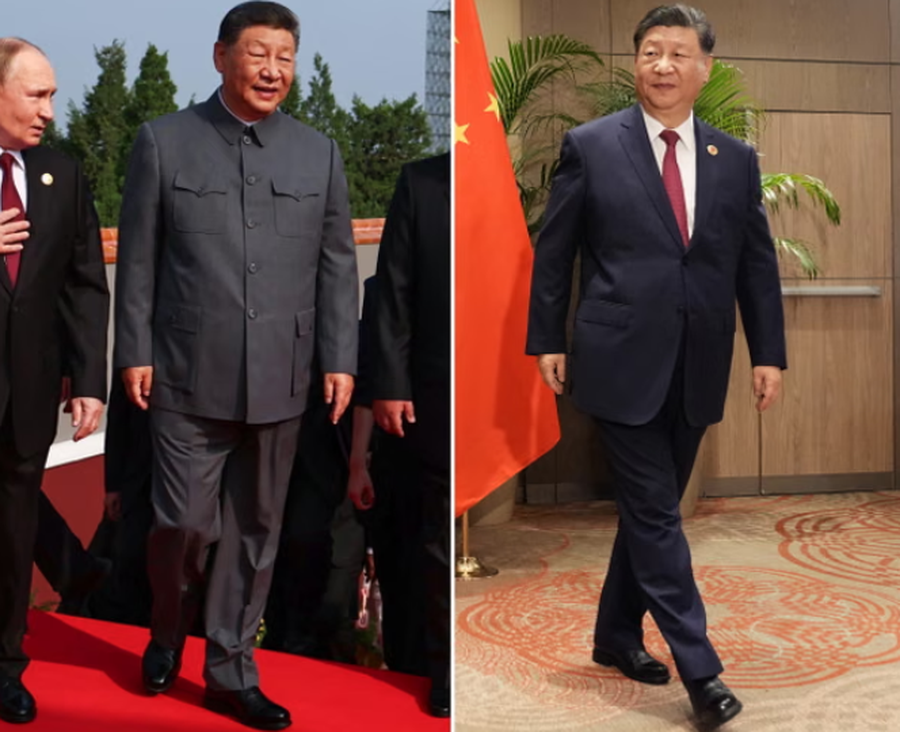
Në një shfaqje me koreografi aq të detajuar sa parada më e madhe ushtarake e të gjitha kohërave në Kinë, është e sigurt që zgjedhja e kostumit të Xi Jinping u përzgjodh po aq me kujdes sa uniformat e pastra të ushtarëve të sinkronizuar të presidentit.
Xi kryesoi para 50,000 spektatorëve në Sheshin Tiananmen i veshur me një "kostum Mao" menjëherë të dallueshëm, të zgjedhur për të sinjalizuar kursimin dhe shpirtin revolucionar të udhëheqësit.
Xhaketa e thjeshtë në stilin e tunikës, me katër xhepa që thuhet se përfaqësojnë sjellje të përshtatshme, drejtësi, ndershmëri dhe përulësi, u përshtat për herë të parë nga Sun Yat-sen, revolucionari nacionalist që ndihmoi në përmbysjen e dinastisë Qing në vitin 1911. Duke përzier elementë kinezë dhe perëndimorë, xhaketa utilitare simbolizonte një refuzim të dekadencës perandorake.
Për botën e jashtme, kjo veshje njihet më mirë si kostumi i Maos. Kryetari Mao Ce Dun veshi një të tillë për të shpallur themelimin e Republikës Popullore të Kinës në vitin 1949.
Që atëherë, kostumi ka dalë nga moda, por është ende veshja e preferuar e Xi-t kur ai dëshiron të projektojë autoritetin si pararojë e revolucionit komunist të Kinës.
For everyday diplomacy, Xi tends to prefer a Western-style suit and tie. But for big events, like when he attended a state banquet at Buckingham Palace in 2015, he wears Mao's suit. / Adapted from "Pamphlet", from "The Guardian"


Lini një Përgjigje