


 Shkruar nga Pamfleti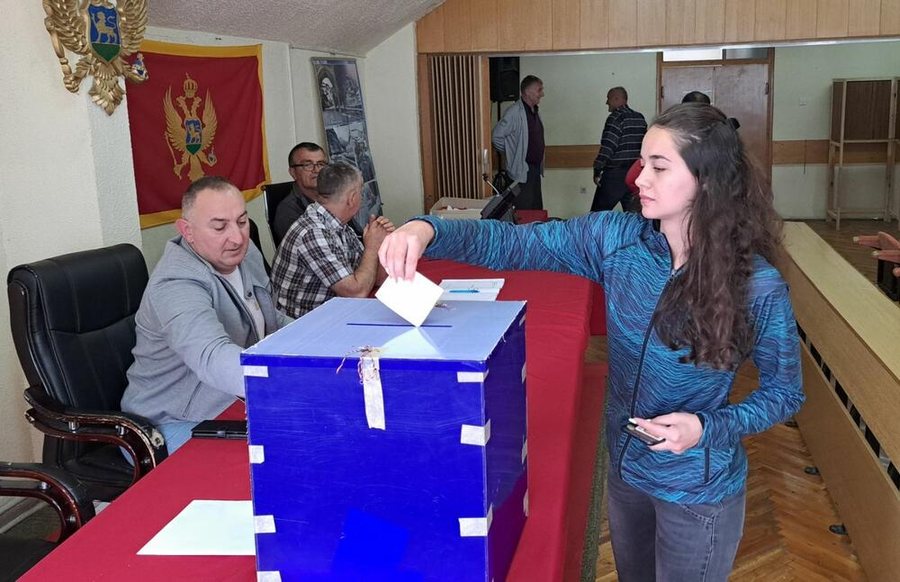
The voting process for the early parliamentary elections in Montenegro has ended. All polling stations were closed at around 20:00 as planned. Meanwhile, the counting of boxes and the release of the first results are expected to start soon
Over 542,000 voters today had the right to decide who will be the 81 deputies who will represent them for the next 4 years in the Montenegrin parliament. In general, the voting process was peaceful, but minor incidents were also reported in some polling stations.
Participation in these elections was low with only 51 percent of the population heading to the polling stations. A decrease in participation compared to the presidential elections of a few weeks ago, where over 60 percent of the population voted. Meanwhile, compared to the parliamentary elections of 2020, popular abstention reaches over 20 percent, since then over 76 percent turned out to vote.
We remind you that there are 15 parties and coalitions in the race, ranging from pro-Western groups to those that are pro-Serbian and pro-Russian.
These are the first elections without former president Milo Djukanovic, who after almost 30 years of service as prime minister or president of the country, lost the presidential elections in April against the leader of the "Europe Now" movement, Jakov Milatovic.
According to polls, this movement is expected to lead in today's elections followed by the Democratic Party of Socialists, of former president Djukanovic, which for the first time participates in the elections with a new leader and in a coalition with several small parties.
A major change occurred in the coalition of the pro-Serbian and pro-Russian Democratic Front, which formed the current parliamentary majority in the last elections. This political coalition has already split into three independent parties and according to all polls, there will be a significant decline.
The two parties that together with the Democratic Front constituted the majority after the 2020 elections, the URA Civic Movement of interim prime minister Dritan Abazovic, and the Democrats are running together.
Since the 2020 elections, the unstable parliamentary majority has replaced two governments, which have plunged Montenegro into an institutional crisis and further deepened divisions on the political scene, fueling Western diplomacy's concern over the prolonged political crisis, deadlock institutions, the increasing polarization of society and the inability of the authorities to find a way out of the crisis. Sunday's votes are the sixth in a row since the small Balkan country declared independence in 2006./Pamphlet






Lini një Përgjigje