


 Shkruar nga Pamfleti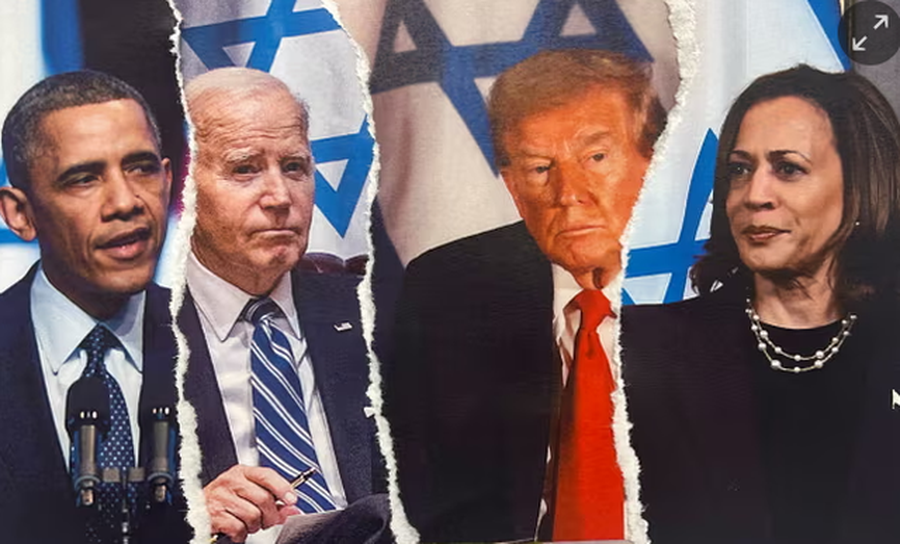
Just as the Middle East may influence US policy more than any other foreign part of the world, US policy exerts a clear and continuous influence on the Middle East.
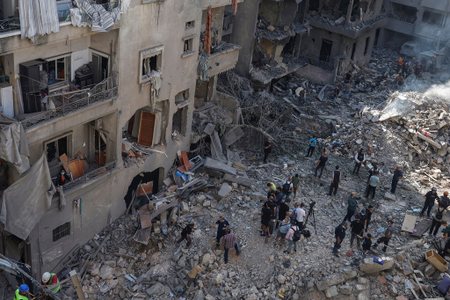
The October 7 attack against Israel set another course of events escalating the Israel-Hamas conflict. But also including US presidential politics in the trajectory of events in the Middle East. In a race that is likely to be decided by narrow margins in a handful of states, the fallout from the conflicts in Gaza, the West Bank and Lebanon, as well as a tense situation with Iran, could have a significant impact on the prospects. of Kamala Harris.
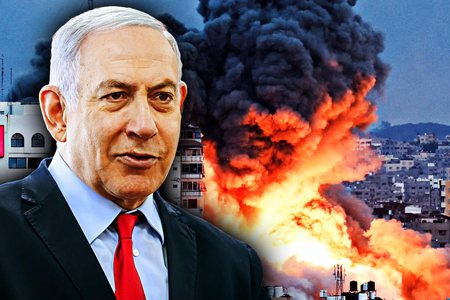
On the other side of the coin, the outcome of the November 5 election will affect the Middle East in unpredictable but potentially significant ways. Despite the clear limitations on Washington's ability to control Israel, its closest partner, the US remains the most influential external power in the region. Joe Biden's unwavering support for Israel and Benjamin Netanyahu's clear opposition to US-led efforts to establish ceasefires in Gaza and Lebanon have alienated many Democrats.
Kamala Harris has not distanced herself in any meaningful way from Biden's Middle East policy and now faces a "tough" fight in Michigan. Losing that state would significantly complicate Harris' path to the presidency. With the spread of war and the outbreak of open conflict between Israel and Iran likely to affect the presidential campaign far beyond Michigan, Harris could be the fatal "October surprise" of this election.
Just as the Middle East may influence US policy more than any other foreign part of the world, US policy exerts a clear and continuous influence on the Middle East. Demonstrative support for Israel has become a bandwagon for both Republican and Democratic presidential candidates, almost regardless of Israel's actions. Netanyahu's message has been clear: "any hesitation in providing weapons or diplomatic support will bring a heavy political cost."
The result of this tactic has been a profound reluctance on the part of successive presidents to use the opportunity of the US, as Israel's largest arms supplier by far, to curb the excesses of the Netanyahu coalition in any meaningful way. Gaza, West Bank or Lebanon. Netanyahu has spent much of his career turning America into a partisan issue, trying to convince Israelis that Israel's fortunes are tied to Republican leaders.
It's unclear whether a Harris administration would steer a markedly different course than Biden's. On the one hand, Harris does not have the same personal history with Israel as Biden and, if she wins in November, would be freer to experiment with a change in policy. On the other hand, winning the election in the face of widespread Democratic discontent over the Middle East may convince Harris that the progressive threat on the issue can be lessened.
One scenario is that Kamala Harris wins and continues Joe Biden's policies. It seems almost certain that Netanyahu's decision-making is influenced by expectations of a Trump restoration to the White House, and he is not alone. The Saudi monarchy may also await Trump's return before signing a diplomatic normalization deal with Israel, although current hostilities make such a deal unlikely./Taken from "The Guardian"




Lini një Përgjigje