


 Shkruar nga Pamfleti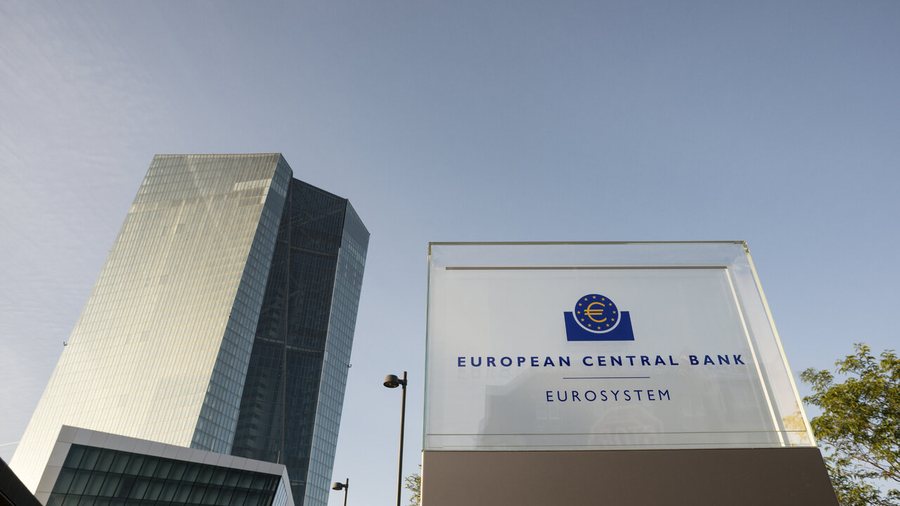
The European Central Bank raised the deposit rate to a historic level and kept options open if more increases are needed to reduce inflation against a worsening economic backdrop.
This is the ninth rate hike, raising the rate the ECB pays on bank deposits from 3.50% to 3.75%, the highest level since 2000, before euro notes and coins were put into circulation.
But the ECB dropped a clear hint of further hikes from its monetary policy statement, meaning a new hike at the ECB's next meeting in September should not be taken for granted.
"Forthcoming Governing Council decisions will ensure that key ECB interest rates will be set at fairly restrictive levels," the ECB said.
Inflation in the Eurozone has halved since last October, but at 5.5%, it remains well above the ECB's 2% target.
On the other hand, loans, loan demand and economic activity have slowed significantly, indicating that the ECB rate hike is already hurting the economy.
"Developments since the last meeting support the expectation that inflation will fall further during the remainder of the year, but remain above target for an extended period," the ECB said.
Inflation continues to fall, but is still expected to remain very high for a long time. The Governing Council is determined to ensure that inflation returns to its medium-term target of 2% in due course. Therefore, today it decided to increase the three main interest rates of the ECB by 25 basis points.
Today's rate hike reflects the Governing Council's assessment of the inflation outlook, the dynamics of core inflation and the power of monetary policy transmission. Developments since the last meeting support the expectation that inflation will fall further during the remainder of the year, but will remain above target for an extended period.
While some measures are showing signs of easing, core inflation remains high overall. Past rate hikes continue to be transmitted forcefully: financing conditions have tightened again and are increasingly dampening demand, which is an important factor in returning inflation to target.
The ECB has now raised borrowing costs by a total of 4.25 percentage points in a year, its fastest pace on record. But it is now clear and the debate is set to shift to how long rates will have to be kept at current levels.
With Thursday's decision, the rate banks pay to borrow at the ECB's weekly auctions also rose to 4.25% from 4.0%, while overnight loans will now cost 4.50%, up from 4.25% previously. / Monitor


Lini një Përgjigje