


 Shkruar nga Pamfleti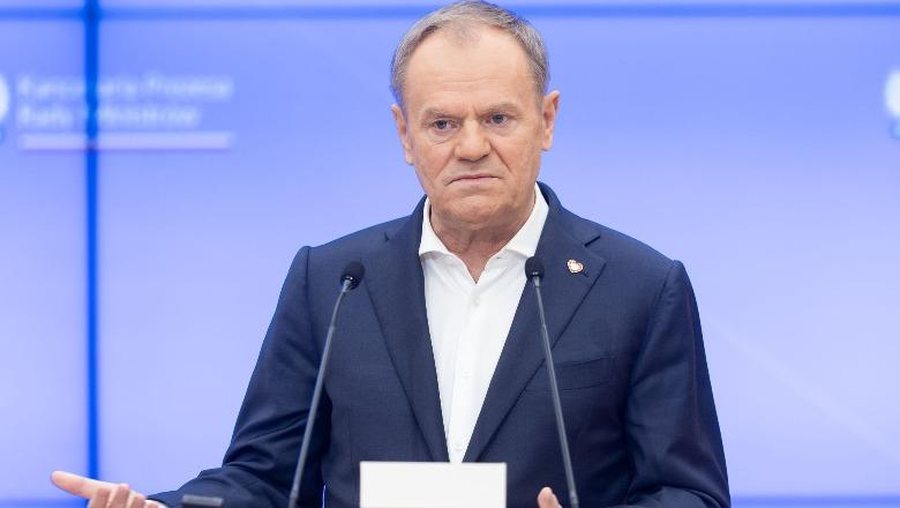
Polish Prime Minister Donald Tusk reacted to media reports that Moscow is planning an armed "provocation" in Poland to test NATO's resolve, citing US intelligence information.
Tusk has stated that the country is preparing for "different scenarios" and that the coming months could be "critical" due to the threat from Russia, the BBC reports.
" I don't want to scare anyone, but the coming months could be really critical, also because of the changing nature of the war. These concerns are felt particularly in the Baltic states ," Tusk told reporters on Friday.
Polish media outlet Onet reported that sources close to President Karol Nawrocki said the United States had sent several warnings to Warsaw about a plan to attack the country. The White House and the US State Department did not respond to BBC requests for comment.
According to the alleged plans, also published on Friday by the British newspaper The Telegraph, Polish infrastructure could be targeted by missile or drone attacks, or soldiers could be sent to the territory of the NATO member state.
Reports suggest the aim would be to pressure Ukraine's Western allies to suspend aid to it as it continues to face a full-scale invasion launched by Russia in 2022.
"Let's not be afraid. We are preparing for different situations, but we cannot ignore them... We are aware of the threats, also thanks to the information we receive from our allies ," Tusk said, speaking about this information.
Polish President Karol Nawrocki is expected to attend a NATO summit next week with leaders of other member countries of the defense alliance, to be held in Turkey.
NATO Secretary General Mark Rutte said the meeting would show that European countries were responding to long-standing calls by US President Donald Trump to increase defense spending. Leaders are also expected to pledge to continue funding arms supplies to Ukraine.
In April, Tusk told the Financial Times that Russia could attack a NATO member state "within a few months."
In late June, Polish Deputy Prime Minister Radek Sikorski told CBS News that he would not rule out the possibility that Russia could stage a so-called "false flag" operation over the next two years to justify an attack on a NATO country.
The Baltic states have also previously expressed concerns about their vulnerability to a Russian attack. Latvian media reported in June that the country's intelligence services had warned that Moscow was planning military provocations in the region or in Poland.
Lithuania's ambassador to NATO stated on Thursday that Russia is more likely to use forms of hybrid warfare, such as missile or drone strikes, than to launch a direct military attack, Lithuanian public broadcaster LRT reported.
Article 5 of the NATO Treaty stipulates that an armed attack against one member state is considered an attack against the entire alliance and that members will come to each other's defense.






Lini një Përgjigje