


 Shkruar nga Pamfleti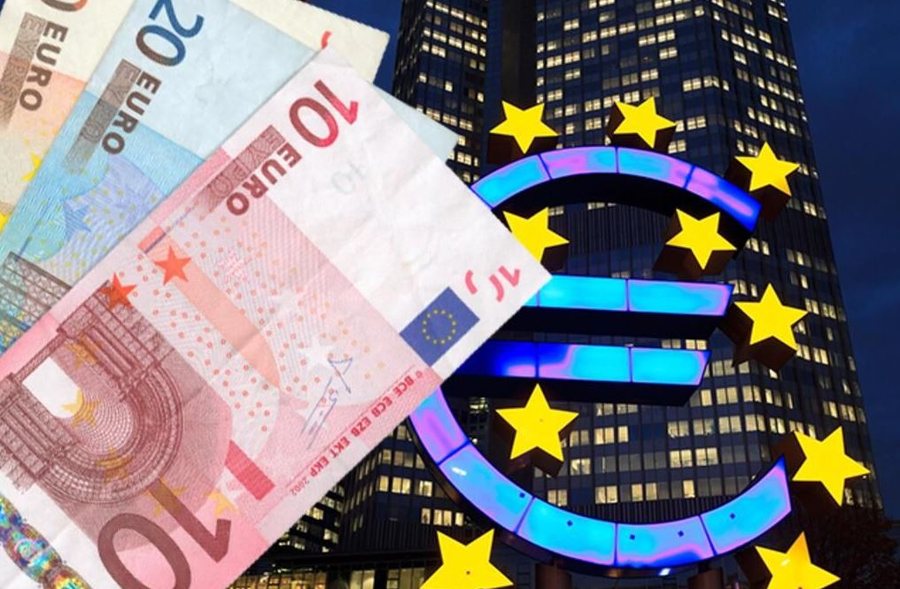
The high fall of the European currency euro continues to deepen the losses of exporting companies, despite the measures taken by the Ministry of Finance.
To help them, the government approved the Normative Act for the hardening of advance income tax payments until December 2023, and through an MFE order, the timely acceleration of VAT refund procedures was decided. Exporters raise the concern that the effects of the easing measures are still not being felt.
According to the Normative Act of the Council of Ministers "On some additions to the law no. 29/2023, "On income tax" published on June 23 in the Official Gazette, it is determined that taxpayers, exporters of goods in the active processing regime, who in 2022 exported no less than 70% of the total value of sales, including exports, do not pay installments that are prepaid in the months of June, September and December of 2023. Until the date of the beginning of the effects of this law, according to the definition of its article 72, the provisions of law no. 8438, dated 28.12.1998, "On income tax", as amended."
For the chairman of Proeksport Albania, Edvin Prençe, the effects of these changes are not being felt.
"The VAT is not being refunded faster (according to the agreement within a shorter period than 30 days as is normal), because the DPT also has its own legal procedures and with an order of the Minister of Finance and Economy, it probably did not have an effect .
The stiffening of the profit tax still does not have an ordinance or accurate information on how to act and who can do it.
While the effects of the measures taken by the government are still not being felt, the losses from the devaluation of the euro for the fashion sector are estimated at 60 euros per employee. The loss of competitiveness remains worrying.
"Calculating the losses is simple, the sector is losing 60 euros per employee from the exchange rate, we are losing competitiveness with the Balkan countries, a pronounced lack of liquidity and the inability in some cases even for the payments generated and required to be paid from businesses.
Lack of liquidity for necessary investments in the renovation of production plants, lack of support for promotion and fairs to find customers who may pay more and better.
The decision to take measures came after the alarm raised by 7 exporting, manufacturing and tourism sector associations about the negative effects of the high devaluation of the European currency through a letter addressed in April to the Governor of the Bank of Albania Gent Sejko and the Minister of Finance and Economy Delina Ibrahimaj.
The Association Proeksport Albania calculated that for January-March 2023 the losses in textiles and shoes from the devaluation of the euro were 45 million euros compared to 2022.
Businesses requested normalization of the situation from the Bank of Albania and the Ministry of Finance, since as it was pointed out in the letter, the fall of the euro is at the lowest historical levels, which risks the return to a pure import economy similar to that of 1992 under the effects of "shock therapy".
Business associations claimed that this devaluation of the euro currency has severely damaged the manufacturing industry, exports and domestic tourism, leading many subjects to bankruptcy.
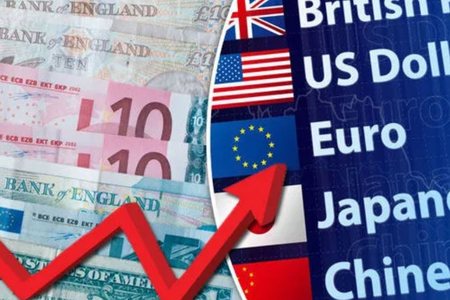
According to the official exchange rate of the Bank of Albania, one euro is exchanged for around 106.5-107 ALL. On June 9, the euro reached its all-time low of 105.62 ALL.
Compared to the beginning of the year, the euro has depreciated by ALL 10.55, or by 9%. While compared to the end of June last year, the euro is traded 12.5 ALL less, with a decrease of 10.5%./Monitor




Lini një Përgjigje