


 Shkruar nga Pamfleti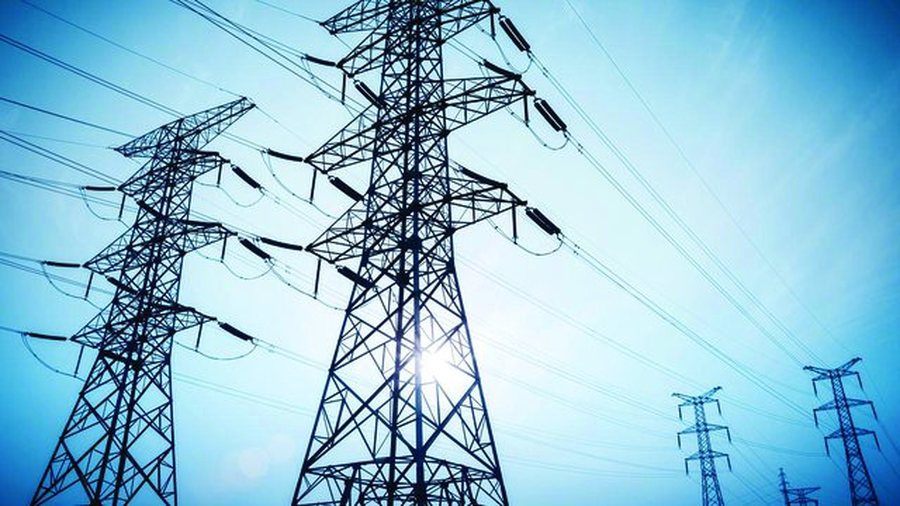
Based on the KEK-KESH agreement, the Kosovo Energy Corporation has started to send a quantity of electricity during the night hours to Albania.
All this because in the period of the autumn months and this winter, Kosovo received somewhere around 220 thousand megawatt-hours of electricity from Albania. This amount of electricity, which is given to Albania, is as debt repayment.
The Energy Corporation of Kosovo has been sending the produced excess electricity to Albania for two or three days. More specifically, the very "reduced" consumption of electricity since April, and especially since the beginning of May, has meant that despite the withdrawal of block B1 of Kosovo B from production due to the planned repair work on the turbine of this unit, that the energy produced in the other units is sufficient to meet the needs of Kosovo.
During the months of May and June, KEK temporarily withdrew from production (put it on "rest") one of the blocks of the Kosova A thermal power plants (sometimes block A3, sometimes A4), with a capacity of 130 megawatts, since, as have assessed in KEK, the production of electricity in other units that are in operation, has been enough to meet the needs of Kosovo's electricity consumption.
More specifically, production from block B2 of the Kosova B thermal power plants (260 megawatt-hours) and from A3 (130 megawatts) and A5 (130 megawatts) and dozens of megawatts from renewable energy capacities (in cases where there were strong winds sufficient and thanks to the almost constant rainfall in these months), another 100 megawatt-hours from renewable energy capacities, (the small hydropower plants of Kosovo and from the wind-based energy parks in Shala in Bajgora and Kitka in Anamorava), it is more or less sufficient to meet the consumption needs, significantly reduced compared to the winter period.
According to distribution data, the consumption these days is 600-650 megawatt-hours, which is more or less equal to the current produced these days in the currently engaged plants. During the night, the consumption drops significantly even below these above-mentioned figures.
In KEK, the withdrawal from the production of the A4 block (130 megawatts), despite the good technical condition of this block, is justified by the fact that during May and June the country's consumption did not even need the amount produced by the A4 unit, while on the other hand , as the Energy Corporation of Kosovo points out, at this time it is not very profitable to produce electricity for export, due to the very low prices of electricity in international markets.
According to an account, it appears that although currently out of production, almost half of KEK's power plants (B1 and A4, while in production are B2, A3 and A5).
The electricity situation in Kosovo, since the beginning of May, since the A5 block of the Kosova A thermal power plants has returned to production, is relatively stable, although currently the country's thermal power plants consume significantly less electricity than in the winter season.
Të gjitha termocentralet e KEK-ut që aktualisht janë në punë, prodhojnë 520 megavatë. Kësaj sasie duhet shtuar edhe energjia elektrike nga impiantet e rinovueshme. Tepricat, KEK-u është detyruar t’i eksportojë edhe për shkak se në sistemin elektroenergjetik të Shqipërisë, deri këto ditë, praktikisht, për shkak të situatës së volitshme me ujëra në liqenet akumuluese të Kaskadës së Drinit dhe plotësimit qind për qind të nevojave nga prodhimi vetanak të konsumit shqiptar, nuk kanë pasur nevojë për energjinë elektrike nga Kosova.
Në bazë të marrëveshjes së kahershme KEK-KESH, Korporata Energjetike e Kosovës ka nisur të dërgojë një sasi të rrymës gjatë orëve të natës në Shqipëri. Tani për tani, kjo sasi e rrymës që i jepet Shqipërisë si kthim i borxhit, nuk është aq e madhe, por në ditët në vazhdim pritet të rritet kjo sasi. Siç dihet, në periudhën e muajve të vjeshtës së vonë dhe të këtij dimri, Kosova ka marrë diku rreth 220 mijë megavatë-orë energji elektrike si kthim borxhi, por edhe si huazim, ose borxh i krijuar ndaj KESH-it.
More precisely, Kosovo, after the full return of the debt from the Albanian electric energy system, has borrowed from Albania somewhere around 34 thousand megawatt-hours as a debt, which it will return during the months of this summer, when Kosovo is usually expected to have a surplus. while in Albania there is a need for more electricity due to summer tourism. However, as announced in KEK, since February 28 of this year, Kosovo has not received any electricity from Albania./Monitor.al




Lini një Përgjigje